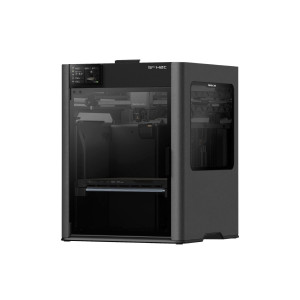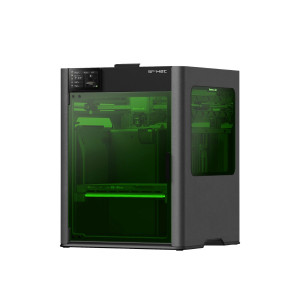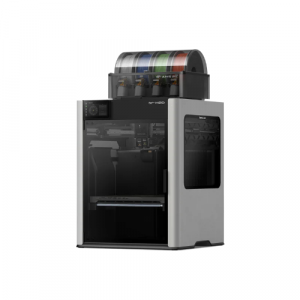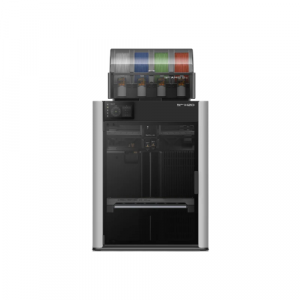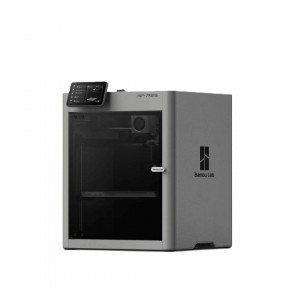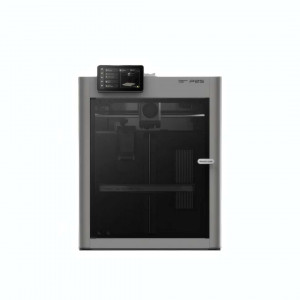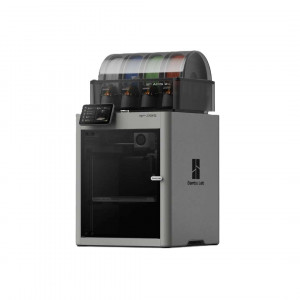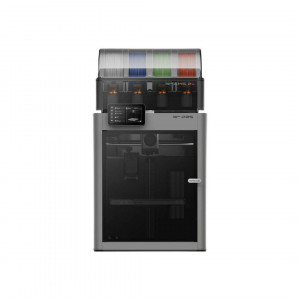
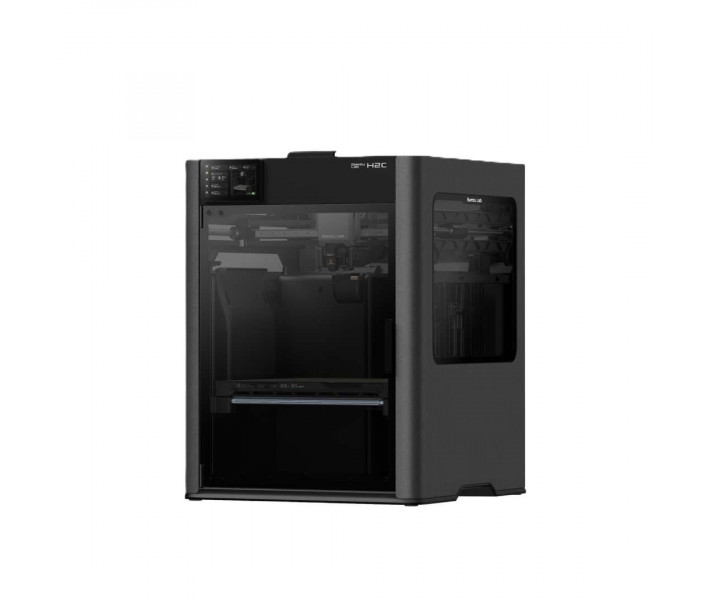
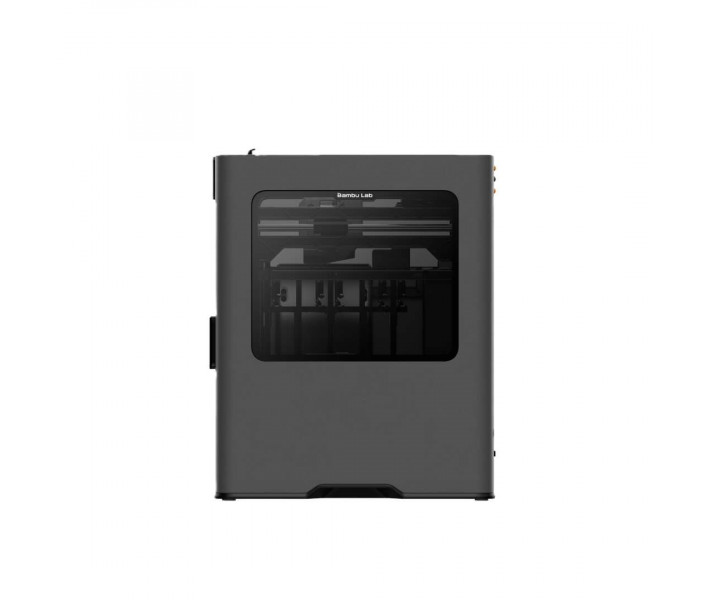


- Stock: In Stock
- Product code: 920372000001552937
- Weight Brutto: 42.00kg
- SKU: PF003-C+SA007-EU

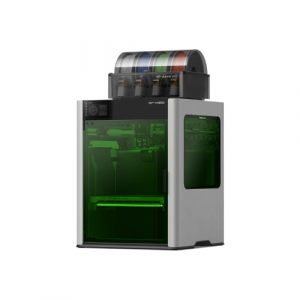
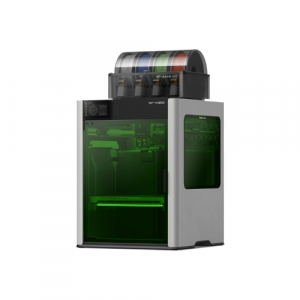
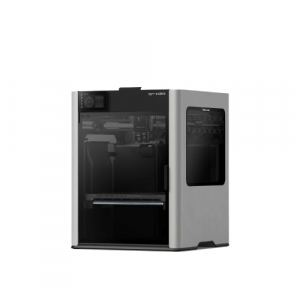
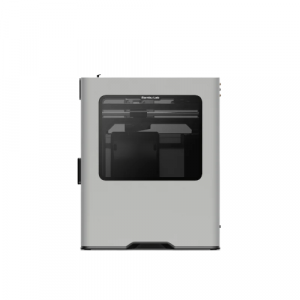
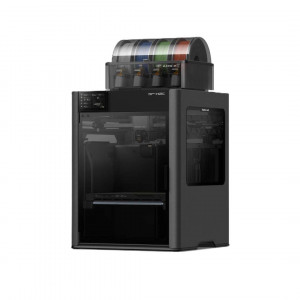
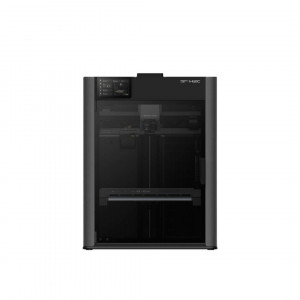
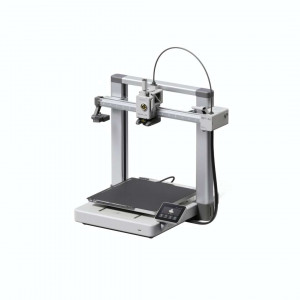
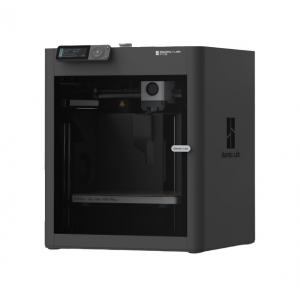
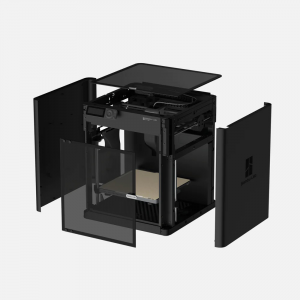
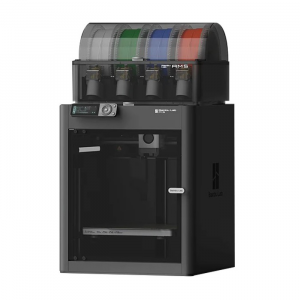
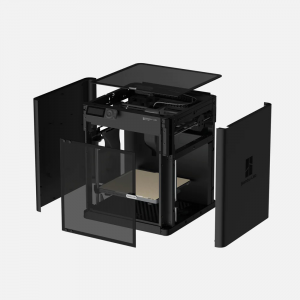
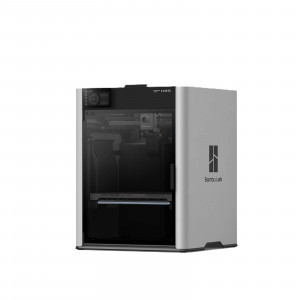
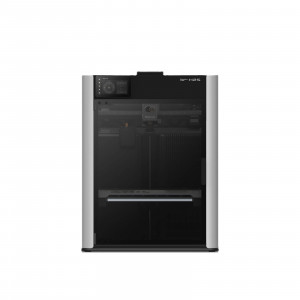
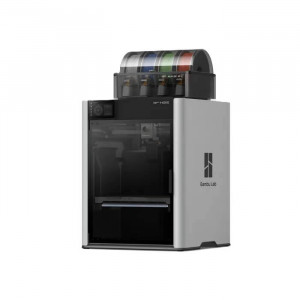
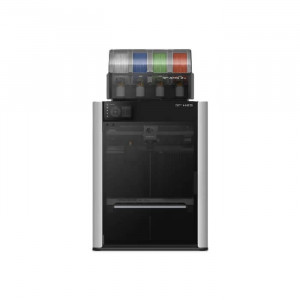
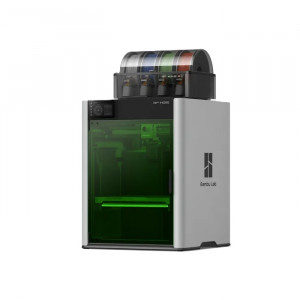
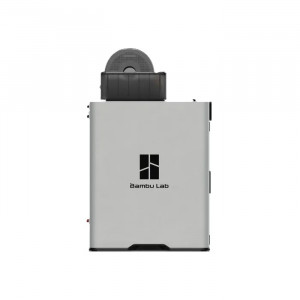
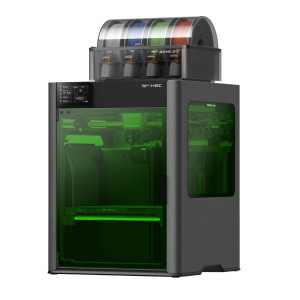
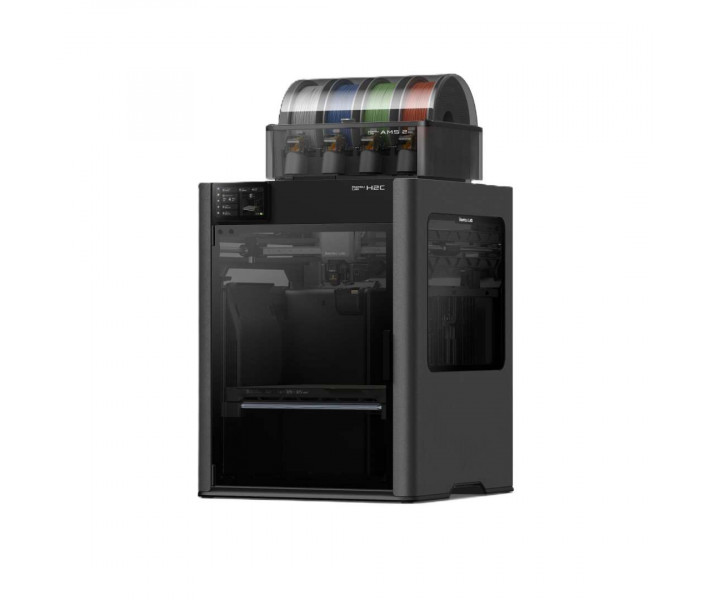
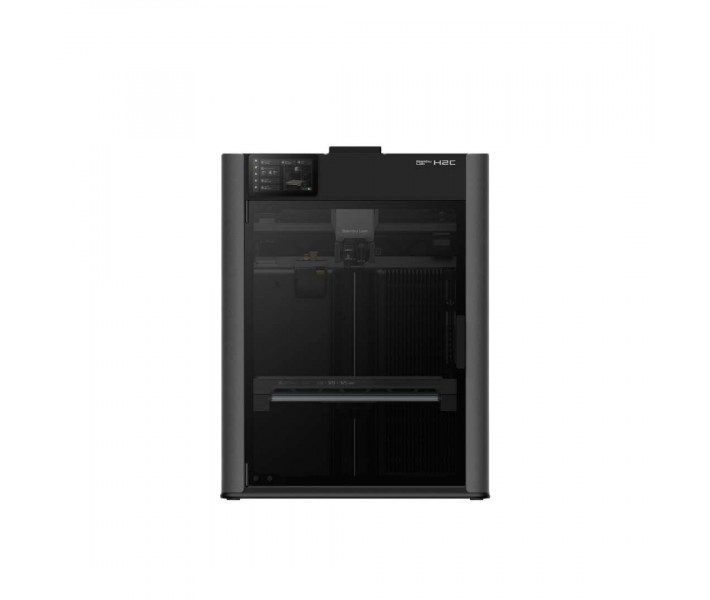
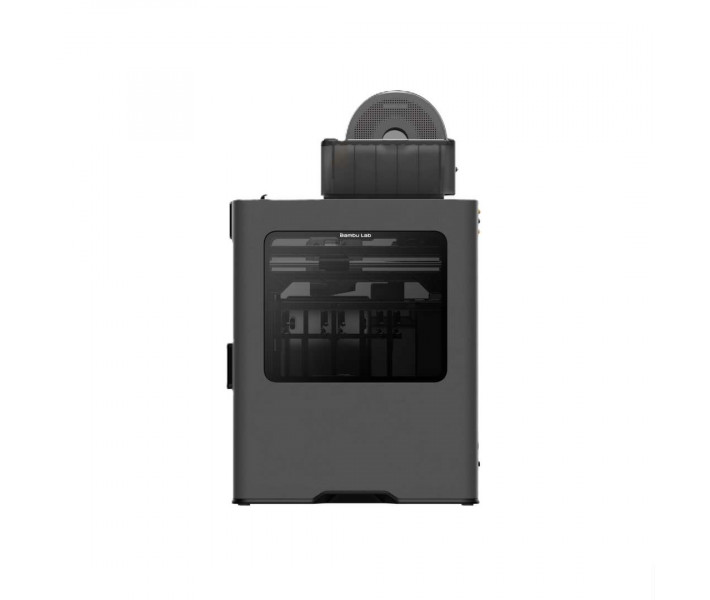
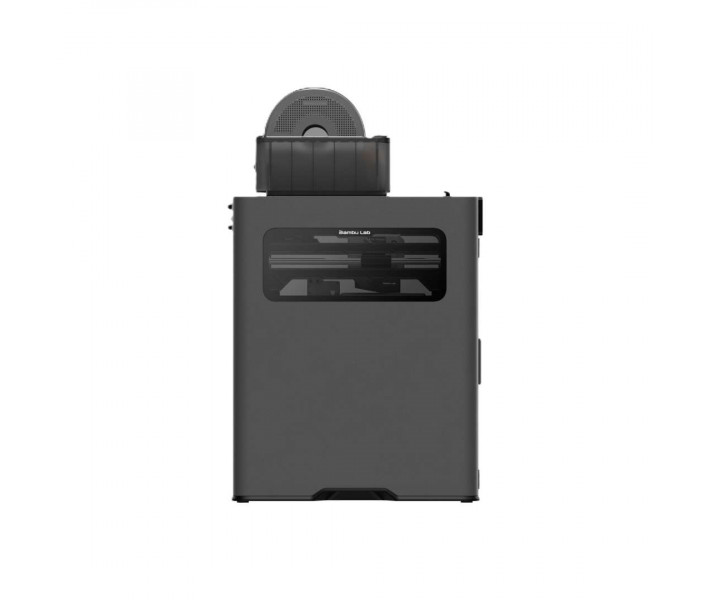
Bambu Lab H2C Combo is an industrial 3D printer for multi-material printing. The Vortek system replaces the entire hotend between colours, not just the nozzle. AMS 2 Pro feeds filament automatically, without manual spool loading. The enclosed chamber and three-stage air filtration extend the list of compatible engineering plastics.
| Characteristic | Value | Why it matters |
|---|---|---|
| Vortek hotends | up to 6 interchangeable induction hotends | Replacing the entire hotend instead of purging residue through the nozzle reduces filament waste with every colour change. |
| Number of materials per print | up to 24 colours/materials | Parallel connection of multiple AMS 2 Pro units allows multi-colour models to be printed without increasing the number of toolheads. |
| Hotend heating | 8 s | A short heating cycle reduces overall print time when materials are changed frequently. |
| Nozzle offset calibration accuracy | 25 μm | Automatic calibration removes manual calibration plates before every print. |
The key advantages of the Bambu Lab H2C Combo are confirmed by the printer's technical parameters.
- Contactless hotend connection: high-frequency communication without metal pins eliminates contact oxidation and ensures stable temperature control.
- PMSM servo motor: extrusion force up to 10 kg, 70% higher than a stepper motor, improving feed stability at high material flow.
- Vision Encoder: positioning accuracy of less than 50 μm automatically compensates for mechanical drift throughout the printer's service life.
- Three-stage air filtration: G3, H12 filters and coconut charcoal reduce odours and fine particles when printing engineering plastics.
Vortek Technology: Minimal Nozzle Purge Waste
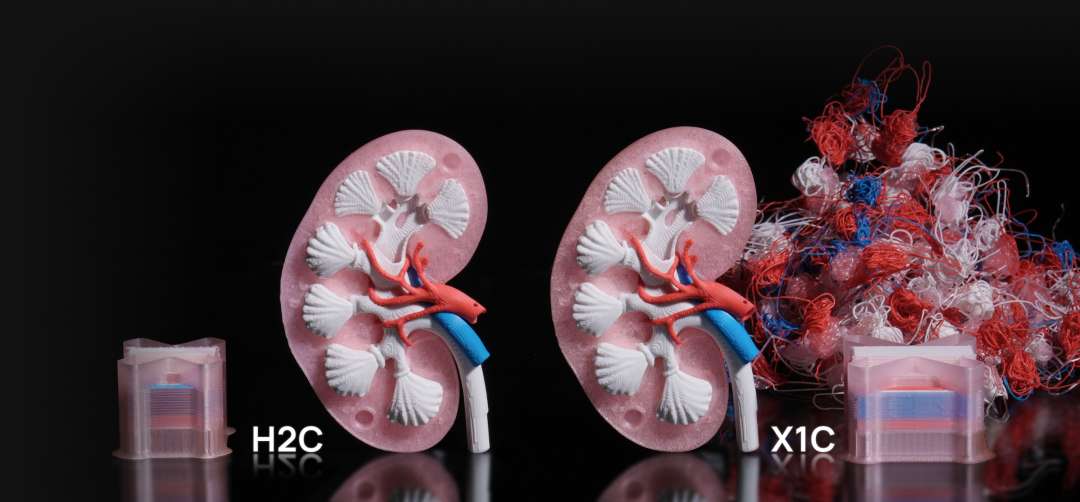
In traditional single-nozzle multi-material printing, changing filament requires purging the residue of the previous material through the nozzle. The Vortek system in the Bambu Lab H2C Combo replaces the entire hotend, so the previous material does not mix inside a single nozzle.
In a single-nozzle scheme, as in the X1C model, filament residue is expelled through the same nozzle, which complicates the design of the internal feed channels.
Automatic Filament Change via AMS
The Vortek system works together with the AMS, so the hotend receives the required filament without operator involvement.
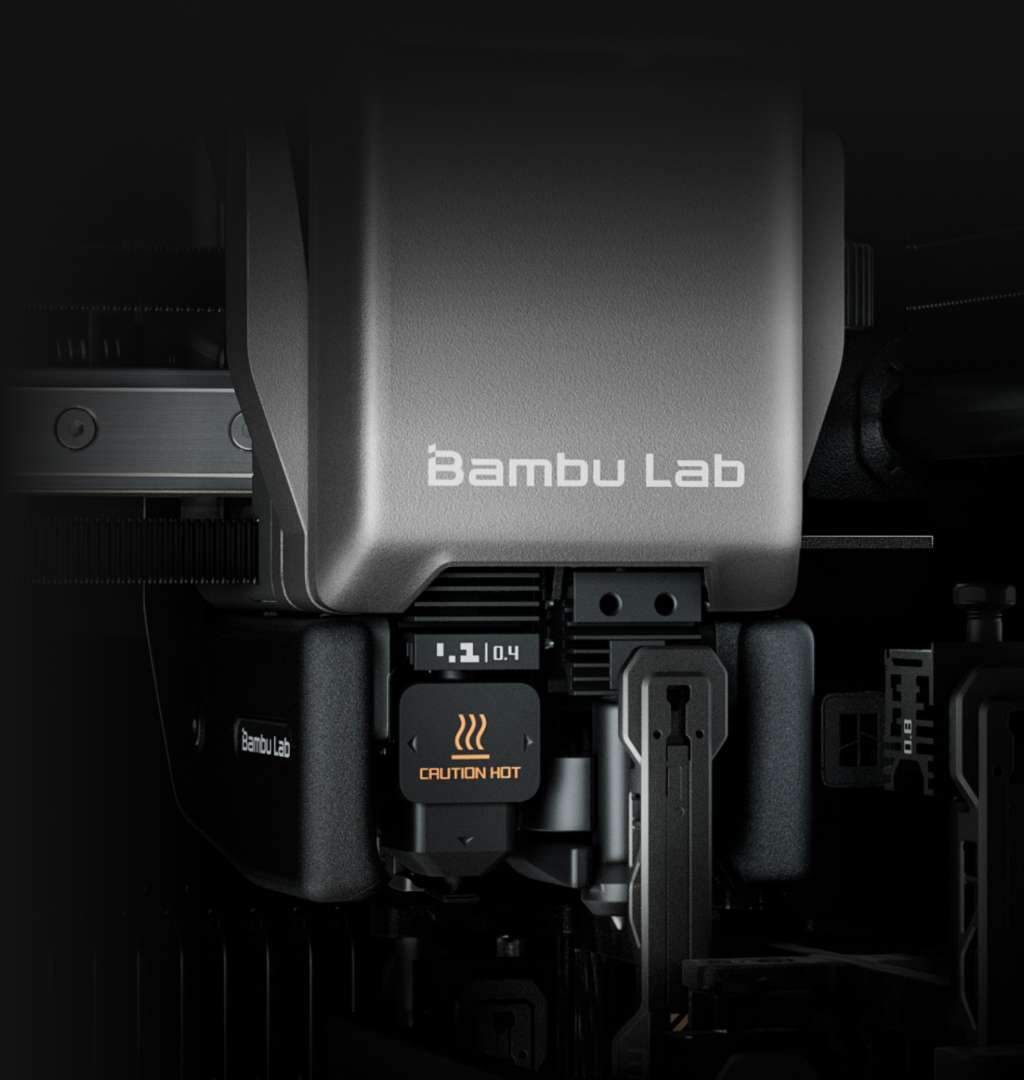
The operator does not need to manually load each spool into the toolhead — the process happens automatically during printing.
Optimal Hotend Combination Selection
When the number of filaments in a project exceeds the number of available hotends, the algorithm automatically calculates the most efficient combination.
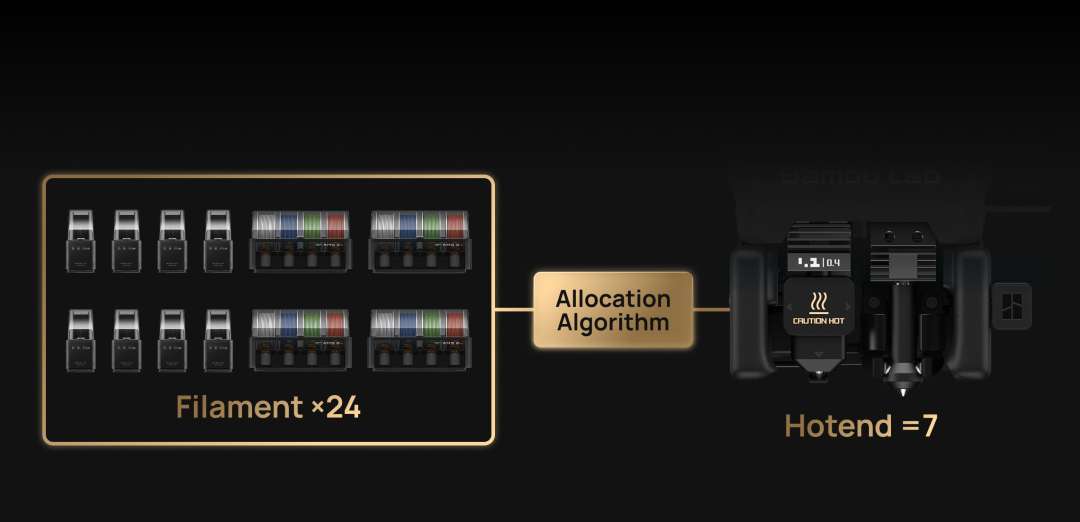
The hotend stores information about the loaded filament in its own memory, so the system automatically selects the correct hotend for the required material next time.
Vortek Hotend Design
Since the system replaces only the hotend, not the entire toolhead, the Bambu Lab H2C Combo accommodates up to six interchangeable hotends without a significant reduction in print volume. This allows printing with a greater number of materials and colours in a single model.
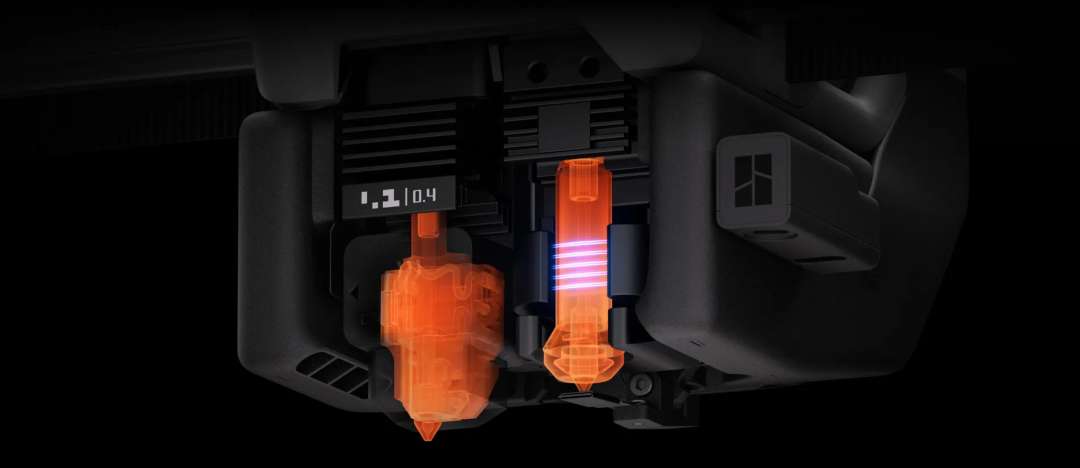
Induction Heating in 8 Seconds
Each material change requires reheating the hotend to the working temperature.
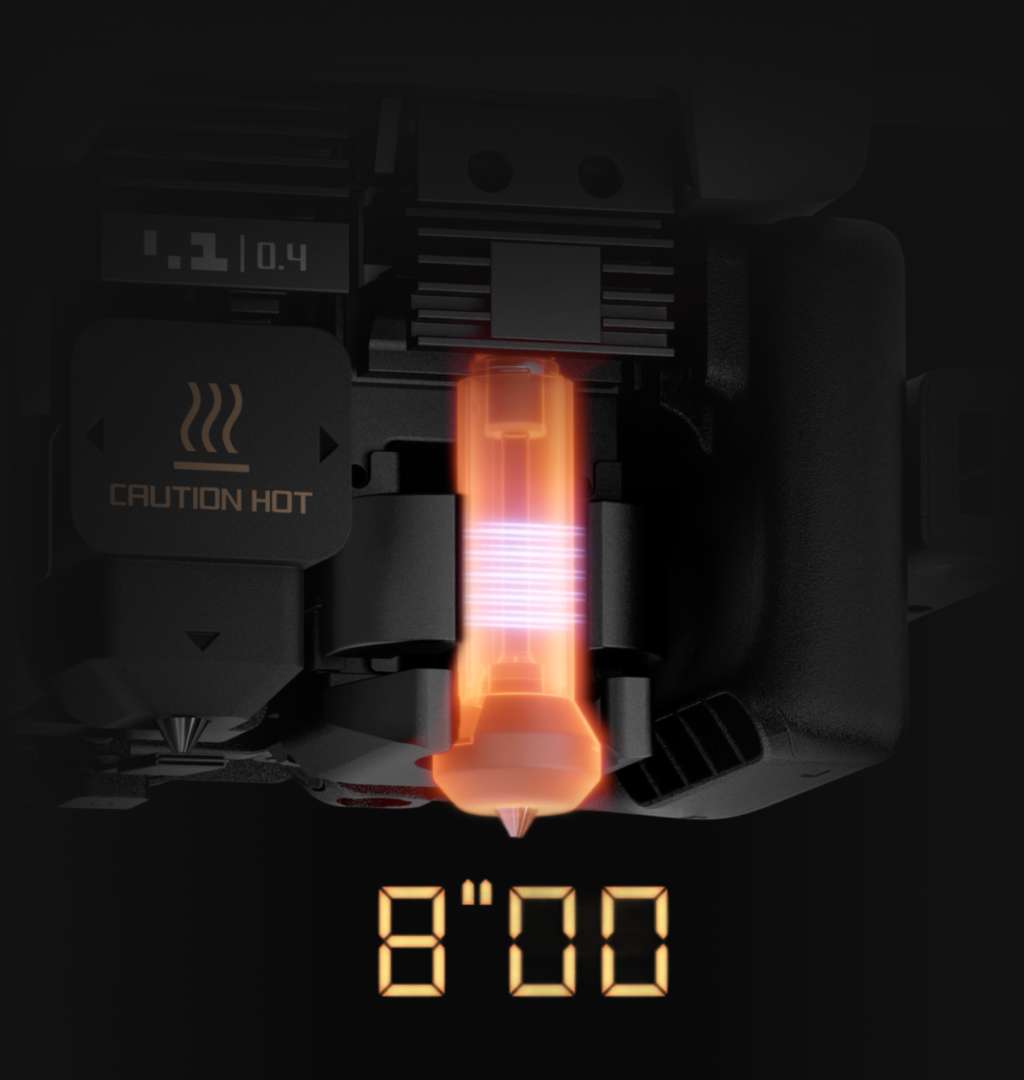
This significantly reduces waiting time compared to a conventional resistive heater when materials are changed frequently.
Contactless Connection for Reliability
Instead of contact metal pins prone to oxidation, the hotend transmits data via a contactless high-frequency connection.
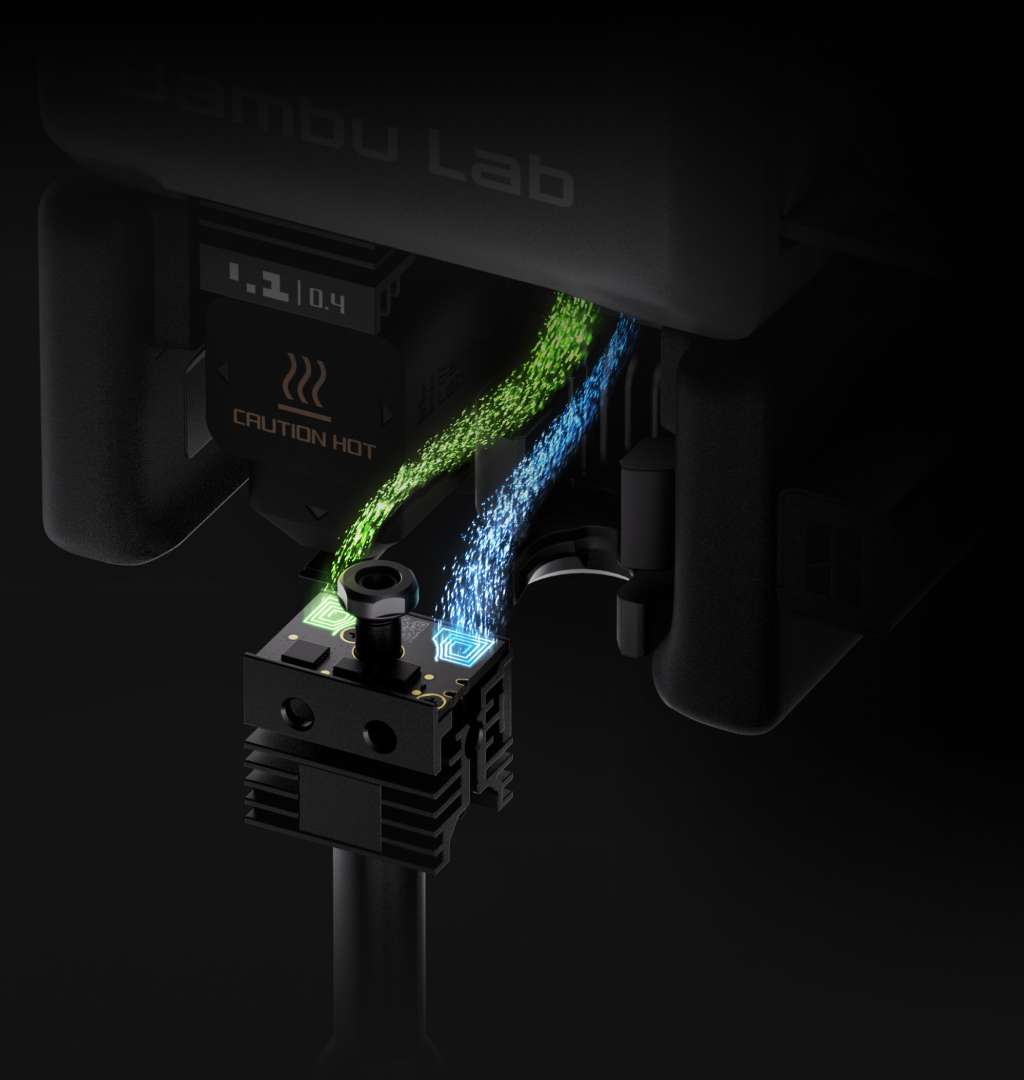
This approach ensures a stable connection for precise temperature control and synchronisation of the hotend with the toolhead.
Dedicated Hotends for Specific Filaments
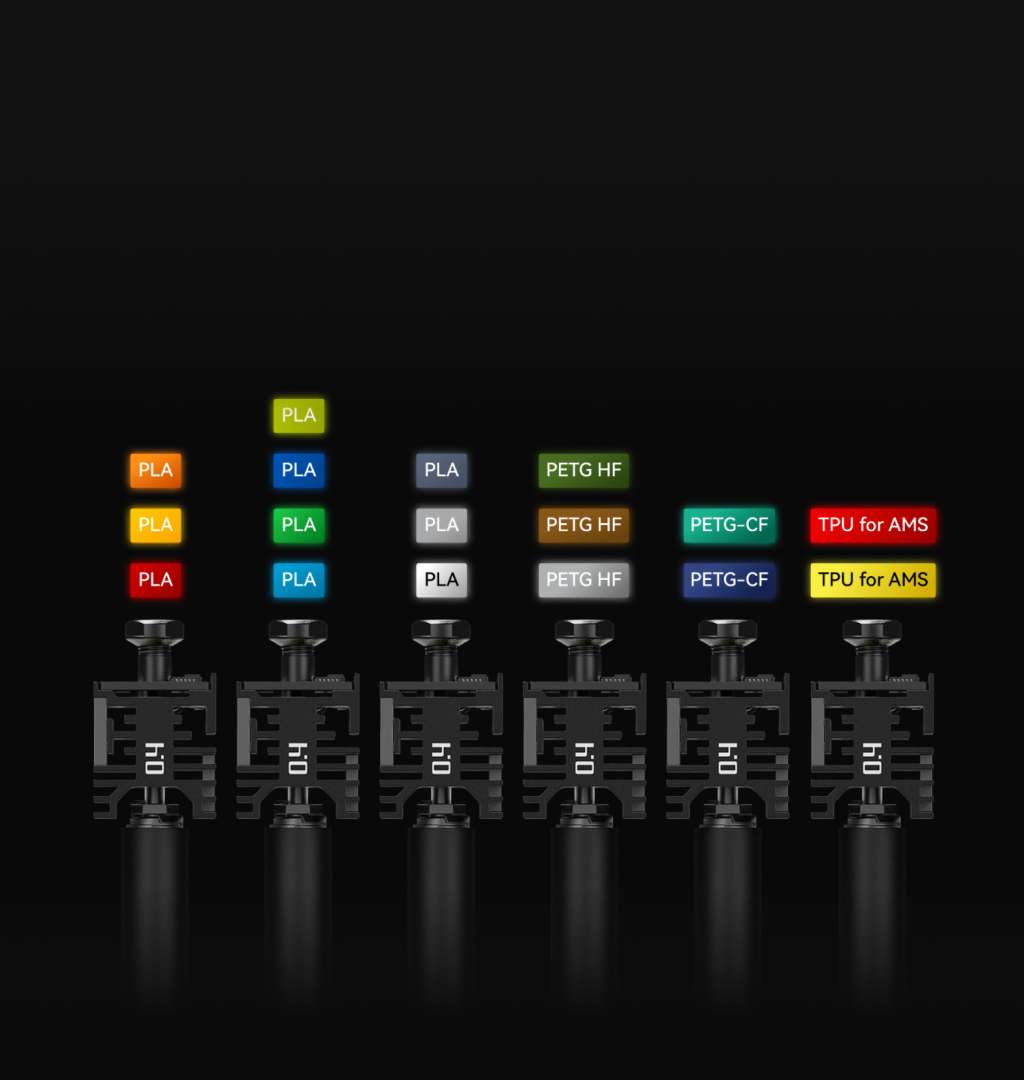
The operator can assign a separate hotend to a specific filament type, as shown on the modules below.
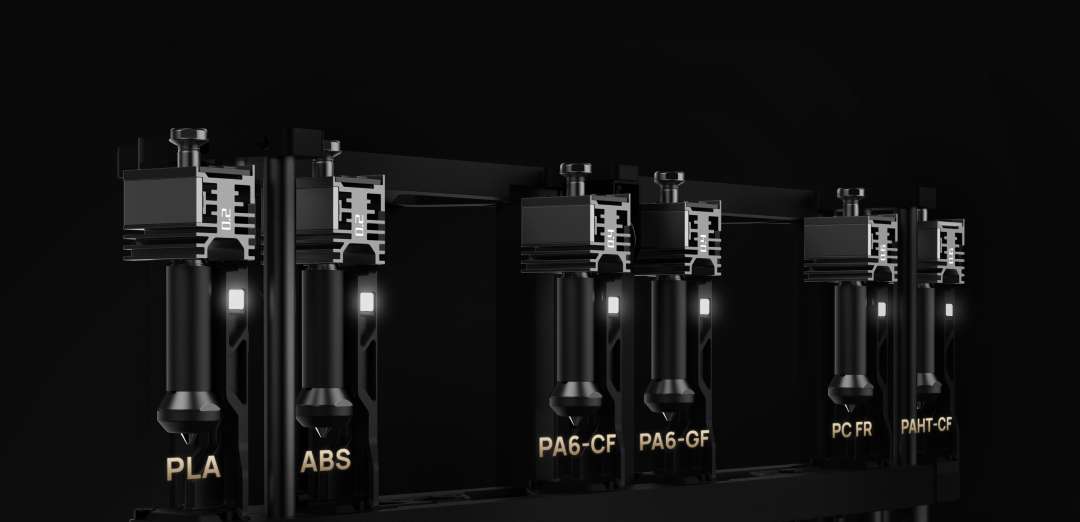
This is especially useful for expensive engineering materials, where print stability and repeatability matter. The hotend automatically stores data about the assigned filament for future use.
Automatic Nozzle Offset Calibration
Before printing, the printer checks the exact relative position of both nozzles without operator intervention.
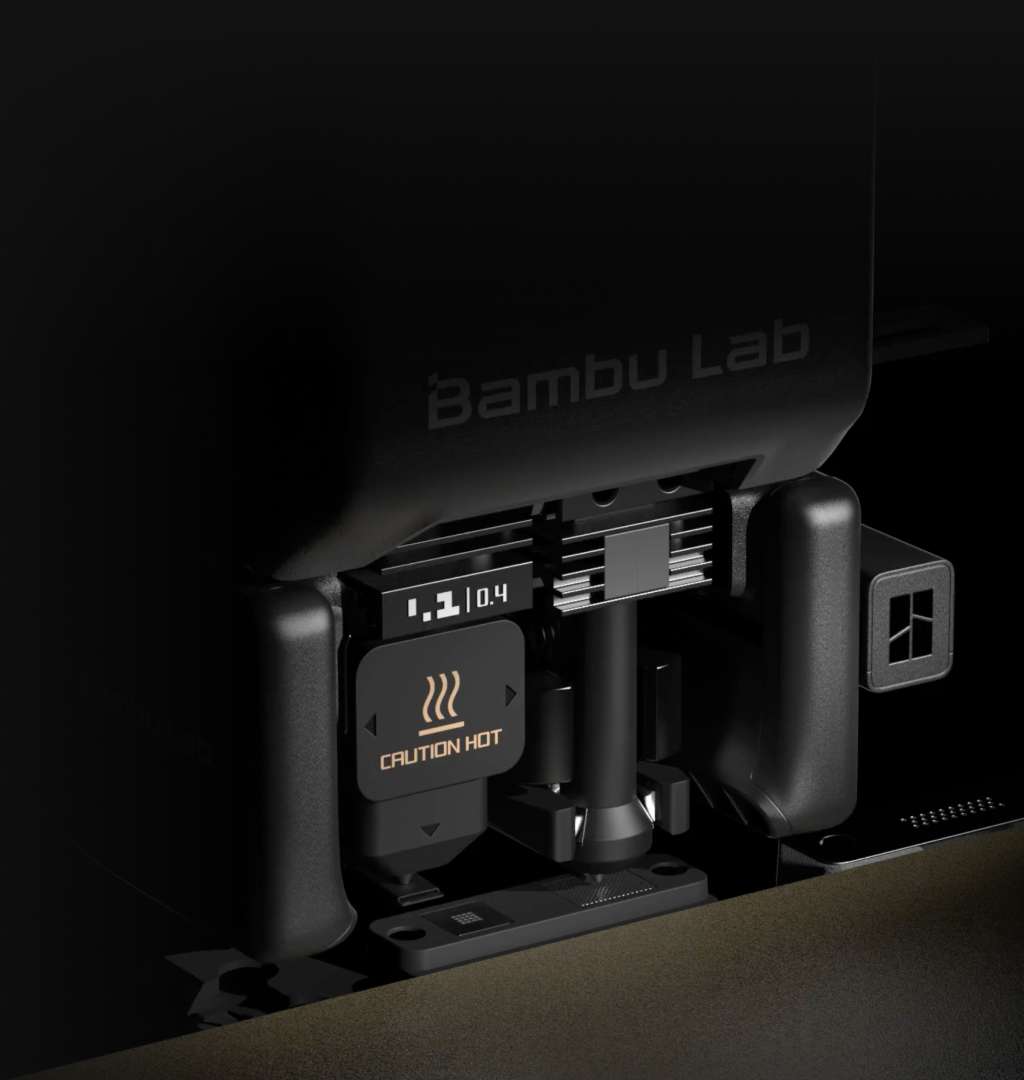
Inductive calibration takes a few minutes and achieves nozzle offset accuracy of up to 25 μm without calibration plates.
Multi-Colour Printing Without Toolhead Count Limitations
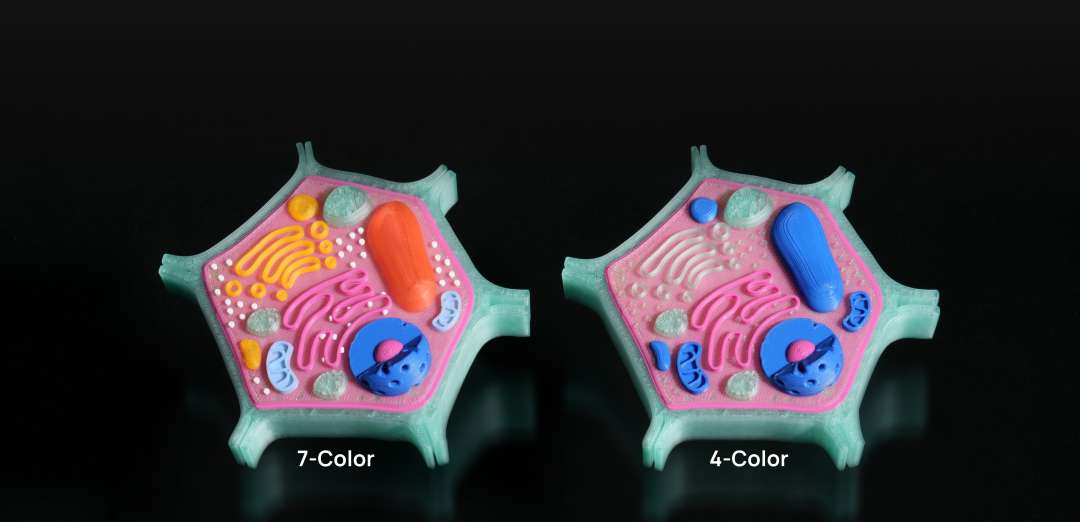
Unlike traditional toolchanger printers, where the number of colours is limited by the number of toolheads, the Bambu Lab H2C Combo supports up to 24 materials in a single print through parallel connection of multiple AMS modules. The filament allocation algorithm optimises material-to-hotend assignment, minimising purge waste.
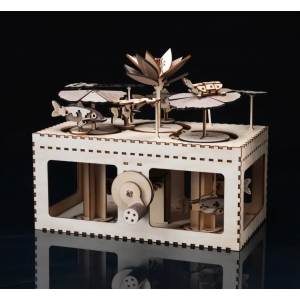
The number of colours in a model directly affects the visibility of fine details, as demonstrated in the example below.
Print Performance: Servo Motor and Motion Precision
The PMSM servo motor in the extruder delivers extrusion force of up to 10 kg — 70% more than a stepper motor, improving feed stability at high material flow. The proprietary servo architecture samples resistance and position at 20 kHz, detecting filament slippage or clogging in real time.
The Vision Encoder ensures motion accuracy of less than 50 μm regardless of distance travelled — finer than a human hair. The system automatically compensates for mechanical drift during calibration, maintaining consistent accuracy throughout the printer's service life.
The extruder's servo motor, together with high-precision eddy-current sensors on the nozzle, allows precise control of extrusion and automatic calibration of Pressure Advance parameters for each filament, resulting in a smoother surface and sharper model edges.
Printing High-Temperature Materials in an Enclosed Chamber
An actively heated chamber up to 65 °C and nozzles with a maximum temperature of 350 °C reduce warping and deformation, improving layer adhesion when printing high-temperature filaments.
A fully enclosed housing retains heat inside the chamber when printing engineering materials.
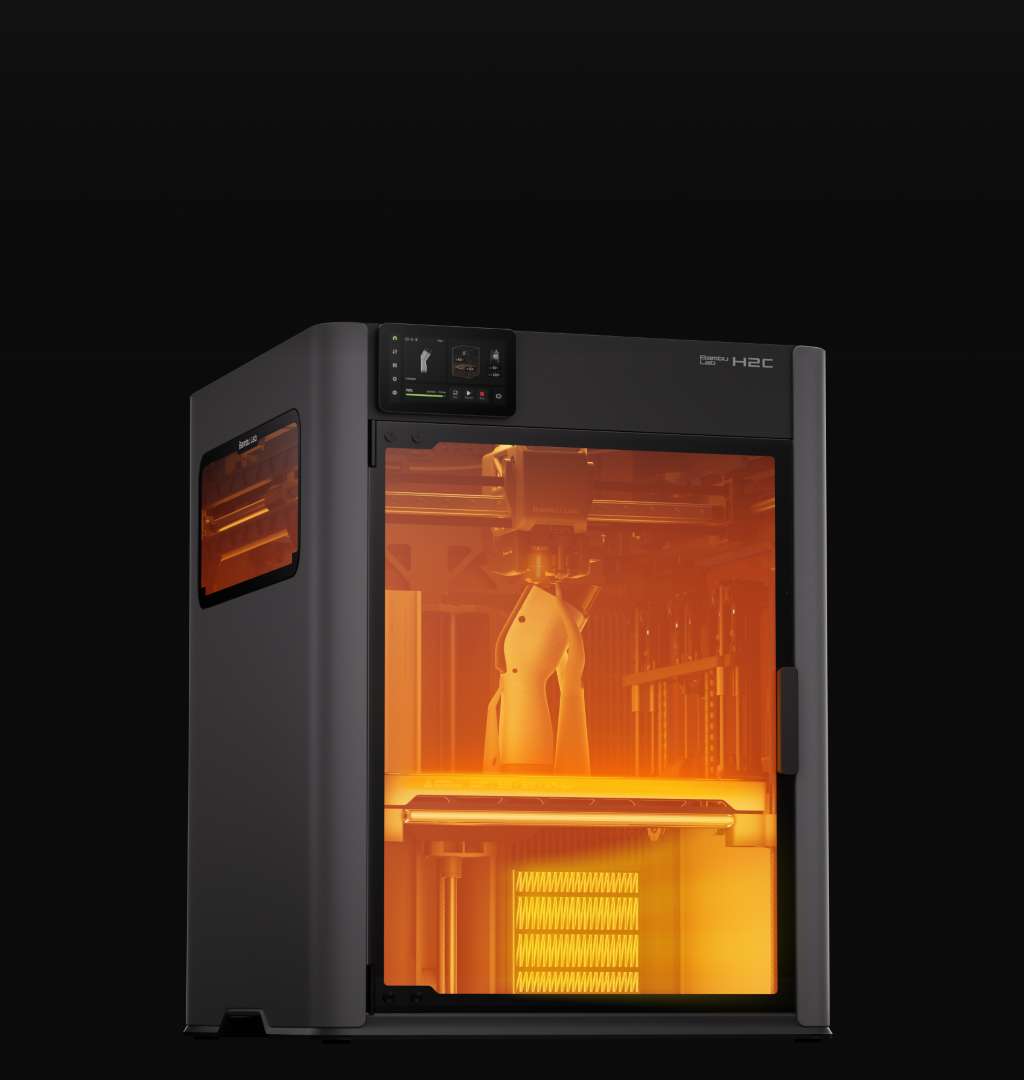
Maximum nozzle temperature determines which filaments can be processed without polymer degradation.
Print Monitoring and Artificial Intelligence
The Bambu Lab H2C Combo is equipped with an array of sensors and a four-camera computer vision system, coordinated by a proprietary neural network algorithm. During printing, this system detects even minor deviations in the printing process in real time.
A network of sensors inside the housing continuously monitors print status.
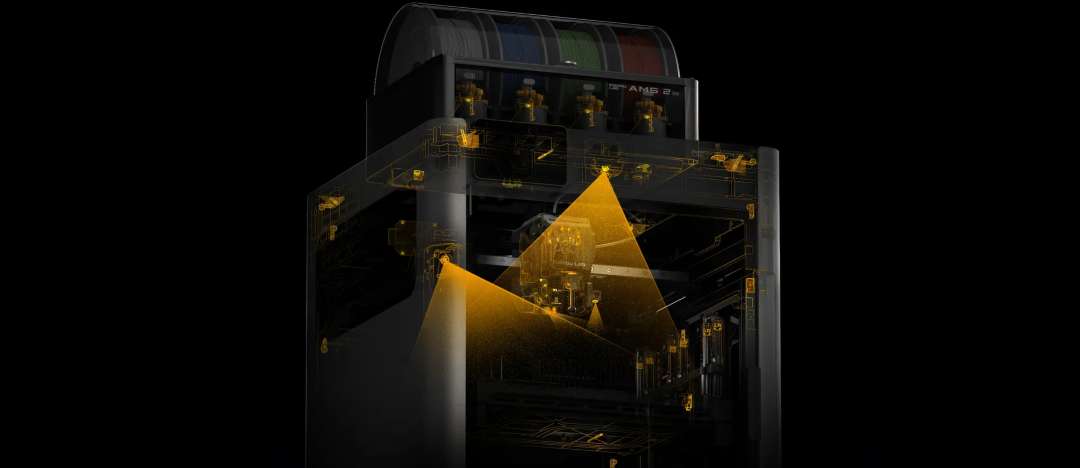
The AI-powered camera tracks extrusion behaviour, instantly detecting material build-up, filament deviation and extrusion failures, and also performs a pre-print check.
Print Chamber Safety
Three-Stage Air Filtration
The airflow path inside the housing is organised to clean the air before it exits the print chamber.
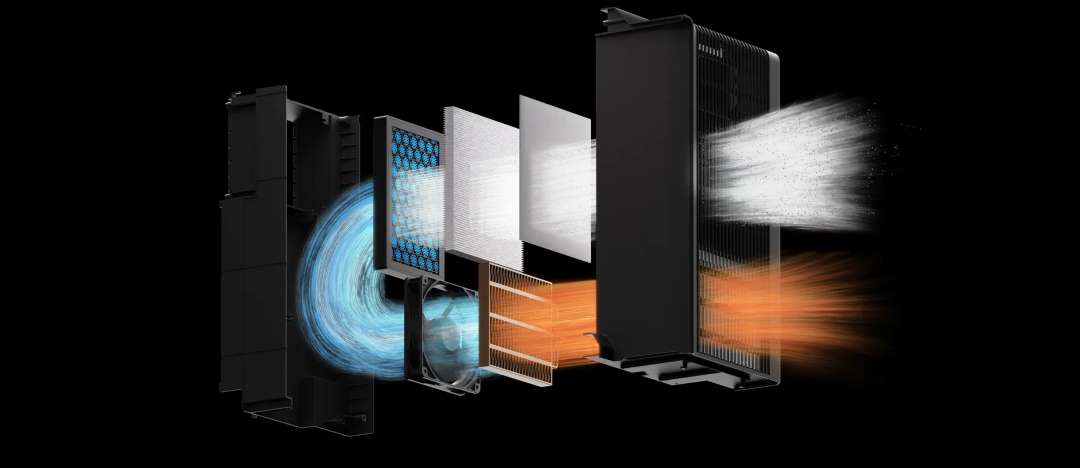
The combination of a G3 pre-filter, an H12 HEPA filter and a coconut shell carbon filter reduces odours and harmful particles when printing engineering filaments.
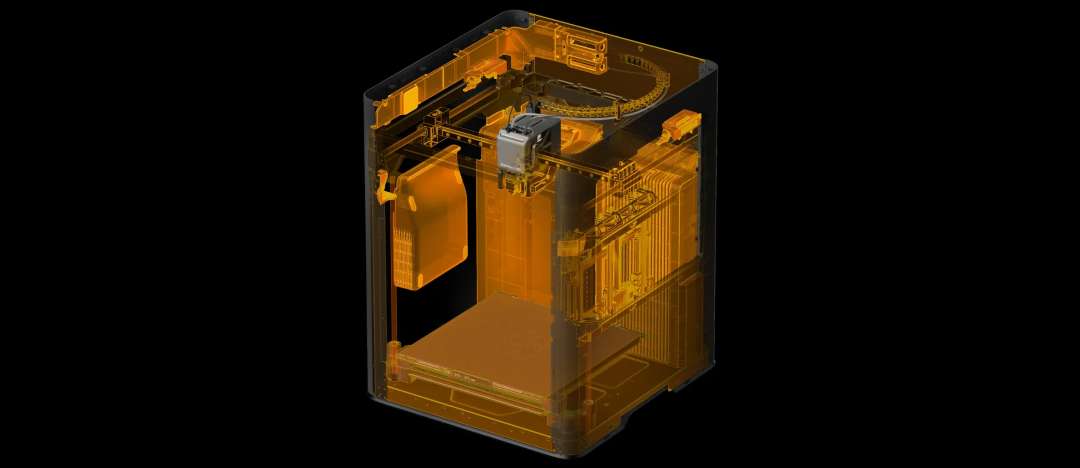
Flame-Retardant Construction
The chamber's frame and panels are made from materials that do not support combustion.
Software and Network Connectivity
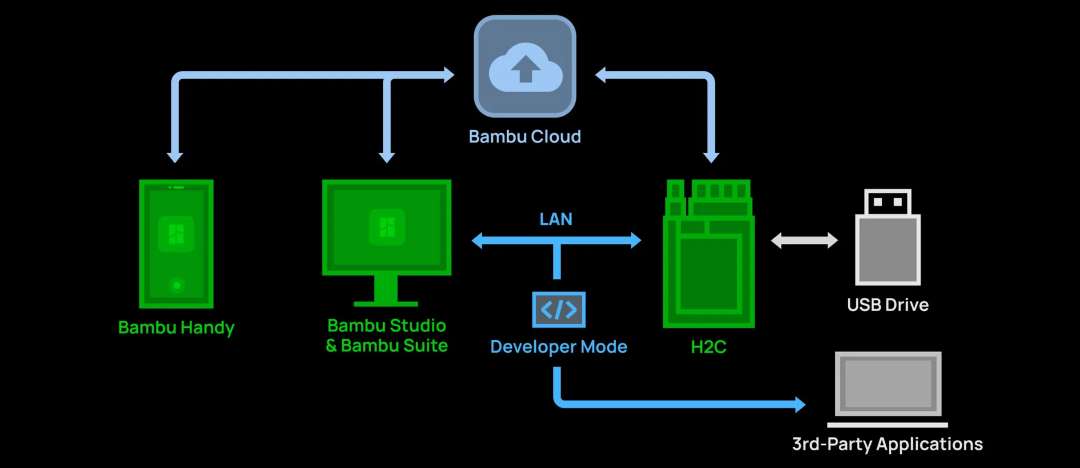
The Bambu Lab H2C Combo supports cloud management from any device, as well as a fully offline mode with complete physical isolation for file uploads and firmware updates without internet access. Developer mode opens an MQTT port for integrating third-party components and software.
The method of connecting the printer to the network is chosen by the operator depending on data security requirements.
Applications
- Functional prototype manufacturing: dedicated hotends for PA6-CF and PC FR allow printing of reinforced parts without recalibrating the nozzle between models.
- Multi-colour mock-ups and design: up to 24 materials in a single print through parallel AMS units deliver full-colour models without toolhead count limitations.
- Printing with engineering plastics: a chamber heated up to 65 °C and nozzles up to 350 °C reduce deformation of parts made from high-temperature filaments.
- Small-batch parts production: automatic filament change via AMS 2 Pro reduces manual operations between prints of different materials.
- Educational and research laboratories: the AI camera monitoring system allows long prints to run without constant operator supervision.
Bambu Lab H2C Combo Compatibility
- Nozzle diameter: 0.2 mm, 0.4 mm, 0.6 mm, 0.8 mm — hardened or stainless steel depending on the hotend.
- Print bed: textured PEI plate included, plus a compatible engineering plate.
- Filament diameter: 1.75 mm for all hotends and AMS modules.
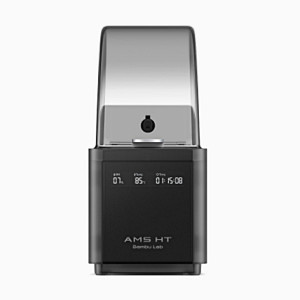
- Feed modules: AMS 2 Pro and AMS HT for printing and filament drying.
Matching a hotend to a specific filament also applies to standard materials, shown on the modules below.
Package Contents
- Bambu Lab H2C Combo 3D printer
- Print bed — 1 pc.
- Spool holder — 1 pc.
- 0.4 mm induction hotend — 4 pcs.
- 0.2 mm induction hotend — 1 pc.
- 0.6 mm induction hotend — 1 pc.
- 0.4 mm hardened steel hotend — 2 pcs.
- PTFE 4-in-1 adapter — 1 pc.
- Accessory box — 1 pc.
- AMS 2 Pro — 1 pc.
Bambu Lab H2C Combo Technical Specifications
Printing Technology
| Parameter | Value |
|---|---|
| Printing technology | Fused Deposition Modelling (FDM) |
Housing
| Parameter | Value |
|---|---|
| Print volume |
|
| Chassis | Aluminium and steel |
| Outer frame | Plastic and glass |
Physical Dimensions
| Parameter | Value |
|---|---|
| Physical dimensions | 492×514×626 mm³ |
| Net weight | 32.5 kg |
Toolhead
| Parameter | Value |
|---|---|
| Extruder gear | Hardened steel |
| Nozzle | Hardened steel |
| Maximum nozzle temperature | 350 °C |
| Supported nozzle diameters |
|
| Filament cutter | Built-in |
| Filament diameter | 1.75 mm |
| Extruder motor | Bambu Lab high-precision permanent magnet synchronous motor (PMSM) |
Print Bed
| Parameter | Value |
|---|---|
| Bed material | Flexible steel plate |
| Bed type included | Textured PEI plate |
| Supported bed types | Textured PEI plate, engineering plate |
| Maximum bed temperature | 120 °C |
Speed
| Parameter | Value |
|---|---|
| Maximum toolhead speed | 1000 mm/s |
| Maximum toolhead acceleration | 20000 mm/s² |
| Maximum hotend flow | 40 mm³/s (test: Ø250 mm model, single outer wall, Bambu Lab ABS, 280 °C) |
Chamber Temperature Control
| Parameter | Value |
|---|---|
| Active chamber heating | Supported |
| Maximum temperature | 65 °C |
Air Purification
| Parameter | Value |
|---|---|
| Pre-filter class | G3 |
| HEPA filter class | H12 |
| Carbon filter type | Granulated coconut charcoal |
| VOC filtration | High efficiency |
| Particulate filtration | Supported |
Cooling
| Parameter | Value |
|---|---|
| Part cooling fan | Closed-loop control |
| Hotend cooling fan | Closed-loop control |
| Main control board fan | Closed-loop control |
| Chamber exhaust fan | Closed-loop control |
| Chamber heat circulation fan | Closed-loop control |
| Auxiliary part cooling fan | Closed-loop control |
| Enhanced toolhead cooling fan | Closed-loop control |
Supported Filaments
| Parameter | Value |
|---|---|
| Supported filament type | PLA, PETG, TPU, PVA, BVOH, ABS, ASA, PC, PA, PET, PPS; carbon fibre or glass fibre reinforced PLA, PETG, PA, PET, PC, ABS, ASA, PPA, PPS |
Sensors
| Parameter | Value |
|---|---|
| Print monitoring camera | Built-in; 1920×1080 |
| Nozzle camera | Built-in; 1920×1080 |
| BirdsEye camera | Built-in; 3264×2448 |
| Toolhead camera | Built-in; 1920×1080 |
| Door sensor | Supported |
| Filament runout sensor | Supported |
| Filament tangle sensor | Supported |
| Filament odometry | Supported with AMS |
| Power loss recovery | Supported |
Electrical Requirements
| Parameter | Value |
|---|---|
| Voltage | 100–120 VAC / 200–240 VAC, 50/60 Hz |
| Maximum power | 1800 W @ 220 V / 1250 W @ 110 V |
| Typical power | 200 W @ 220 V / 200 W @ 110 V (single nozzle printing, PLA) |
Operating Temperature
| Parameter | Value |
|---|---|
| Operating temperature | 10 °C – 30 °C |
Electronics
| Parameter | Value |
|---|---|
| Touchscreen | 5-inch, 720×1280 |
| Memory | Built-in 8 GB eMMC and USB port |
| Control interface | Touchscreen, mobile app, PC app |
| Motion controller | Dual-core Cortex-M4 and single-core Cortex-M7 |
| Application processor | Quad-core 1.5 GHz ARM A7 |
| Neural processor | 2 TOPS |
Software
| Parameter | Value |
|---|---|
| Slicer | Bambu Studio; supports third-party slicers with standard G-code (Super Slicer, PrusaSlicer, Cura) with limited support for advanced features |
| Supported OS | MacOS, Windows, Linux |
Network Management
| Parameter | Value |
|---|---|
| Ethernet | Not provided |
| Wireless network | Wi-Fi |
| Network disable switch | Not provided |
| Removable network module | Not provided |
| 802.1X access control | Not provided |
Wi-Fi
| Parameter | Value |
|---|---|
| Operating frequency |
|
| Wi-Fi transmitter power (EIRP) |
|
| Wi-Fi protocol | IEEE 802.11 a/b/g/n |
AMS 2 Pro: Housing
| Parameter | Value |
|---|---|
| Dimensions | 372×280×226 mm³ |
| Net weight | 2.5 kg |
| Housing material | ABS/PC |
AMS 2 Pro: Printing
| Parameter | Value |
|---|---|
| Supported filaments | PLA, PETG, ABS, ASA, PET, PA, PC, PVA (dry), BVOH (dry), PP, POM, HIPS, Bambu PLA-CF/PAHT-CF/PETG-CF, PLA/PETG support material, and TPU for AMS |
| Unsupported filaments | TPE, regular TPU, wet PVA, wet BVOH, Bambu PET-CF/TPU 95A and other carbon or glass fibre filaments |
| Filament diameter | 1.75 mm |
| Spool dimensions |
|
| RFID identification | Supported |
AMS 2 Pro: Drying
| Parameter | Value |
|---|---|
| Maximum temperature | 65 °C |
| Supported filaments for drying | PLA, PETG, PLA/PETG support material, ABS*, ASA*, PET*, PA*, PC*, PVA*, BVOH*, PP, POM*, HIPS*, Bambu PLA-CF*/PAHT-CF*/PETG-CF*, and TPU for AMS* |
| Active moisture removal | Supported |
| Airtight storage | Supported |
| Temperature and humidity detection | Supported; data displayed on the screen, in Bambu Studio, and Bambu Handy |
AMS 2 Pro: Power
| Parameter | Value |
|---|---|
| Input | 24 V, 4 A |
Why Buy the Bambu Lab H2C Combo from EXPERT3D?
EXPERT3D has been supplying professional 3D printing equipment since 2012. Our engineers help you select the right Vortek hotend and AMS 2 Pro configuration for specific materials before placing your order. Equipment is supplied with an official warranty and authorised service support. Delivery of the Bambu Lab H2C Combo is available throughout Spain and the EU. Consumables and spare hotends for the Vortek system are always in stock. As an official Bambu Lab representative, we guarantee 100% authenticity, fair pricing, authorised service, and an official warranty.