

- Stock: In Stock
- Product code: 920372000001160134
- Weight Brutto: 160.00kg
- SKU: 10250-000008

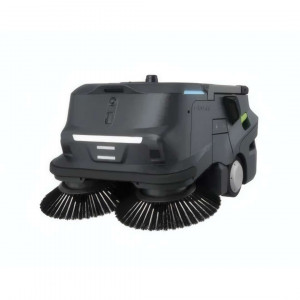
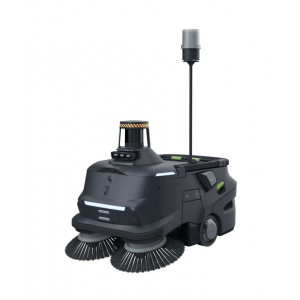
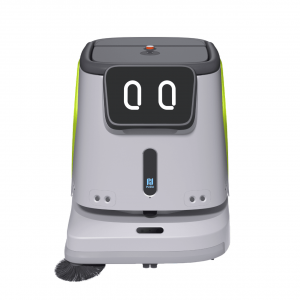
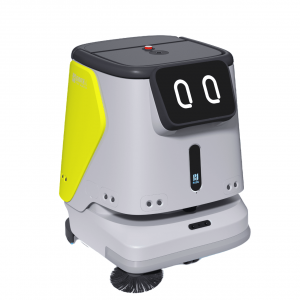
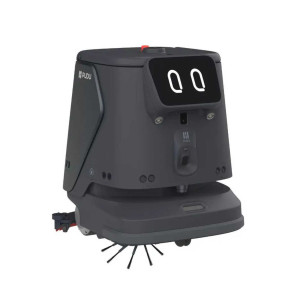
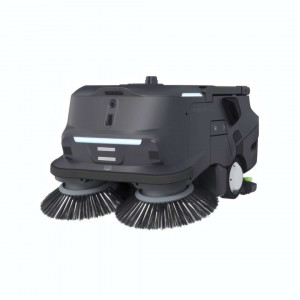
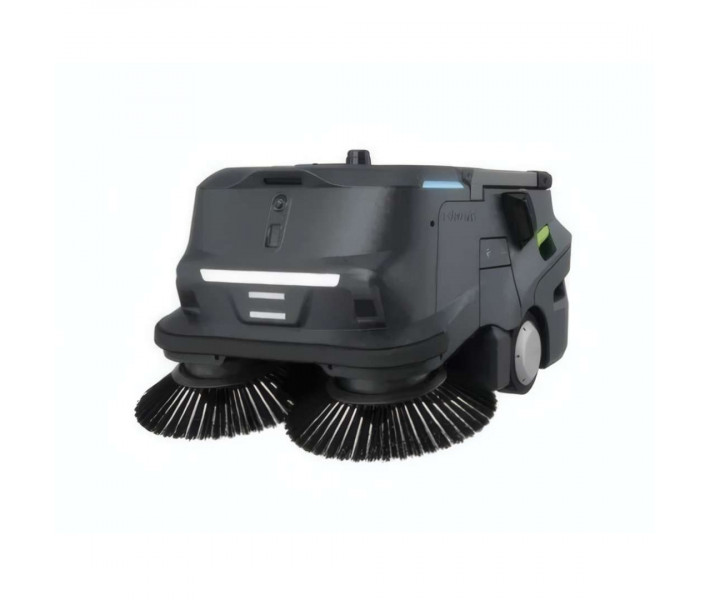
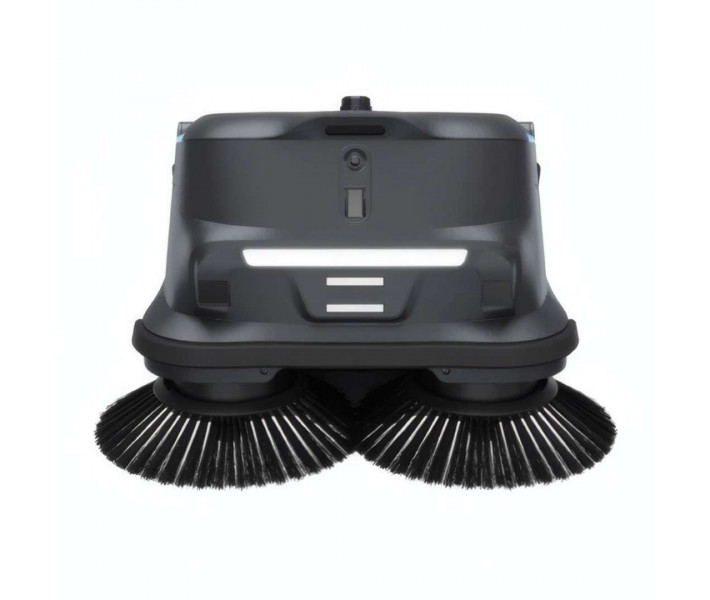
PUDU MT1 is a professional AI-powered autonomous sweeping robot designed for continuous debris removal across large industrial facilities. It pairs LiDAR SLAM and VSLAM dual-positioning navigation with an onboard AI trash-recognition camera. The robot cleans polished concrete, epoxy resin, rubber flooring, and ceramic tiles at adjustable cruising speed. It docks and recharges autonomously between shifts, supporting unattended operation in warehouses, logistics hubs, manufacturing plants, airports, and retail superstores.
| Specification | Why it matters |
|---|---|
| Dustbin Capacity: 35 L (quick-release) | Fewer manual bin-empty stops during a long sweeping shift. |
| Max. Runtime: 4–8 h (45 Ah battery) | Supports extended unattended cleaning sessions without recharging. |
| Effective Cleaning Width: ~70 cm (with side brushes) | Wider single-pass coverage cuts the number of passes per aisle. |
| Navigation System: LiDAR SLAM + VSLAM dual positioning | Keeps localisation accurate even as forklifts and racking reshape the floor plan. |
- AI trash-recognition camera: classifies debris types in real time and triggers Ultra Spot Cleaning on dense-waste zones, concentrating cleaning effort where it is needed most.
- Dual-brush intake with active air filtration: channels large debris into the roller brush while trapping fine particulate, limiting dust re-suspension in sensitive logistics environments.
- Modular quick-release maintenance: the dustbin, side brushes, roller brush, and air filter detach without tools, keeping multi-shift maintenance interruptions to a minimum.
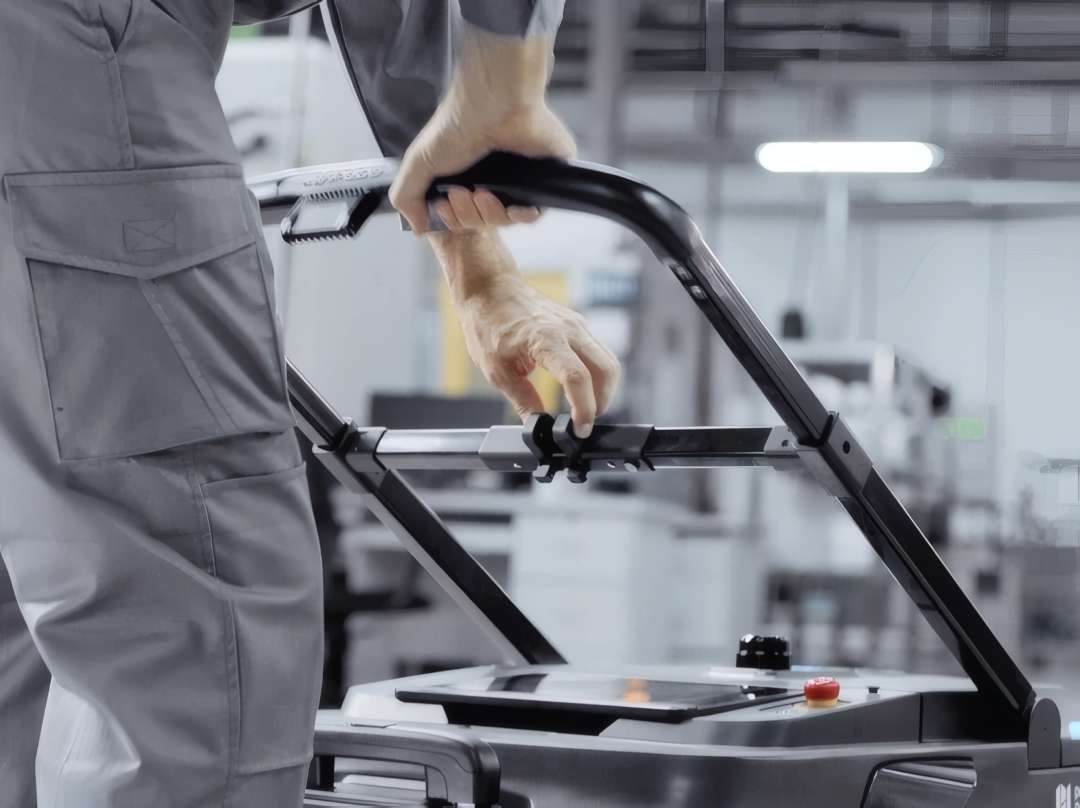
- Manual/autonomous dual mode: the retractable handle converts the MT1 into a walk-behind sweeper for loading docks and areas that require direct operator control.
Navigation & Operating Principle
Most robotic sweepers target retail or office floors. The PUDU MT1 is built for a harder category: warehouses, assembly plants, home-improvement superstores, and transport hubs, where a single shift must cover tens of thousands of square metres without a bin-empty stop. Rated for cleaning areas up to 100,000 m², the MT1 can complete a full sweep of a 50,000 m² facility on one charge, without a manual intervention.
The corridor scene below captures the MT1 mid-sweep, with its front LED bar active and both side brushes fully deployed across the passage width.
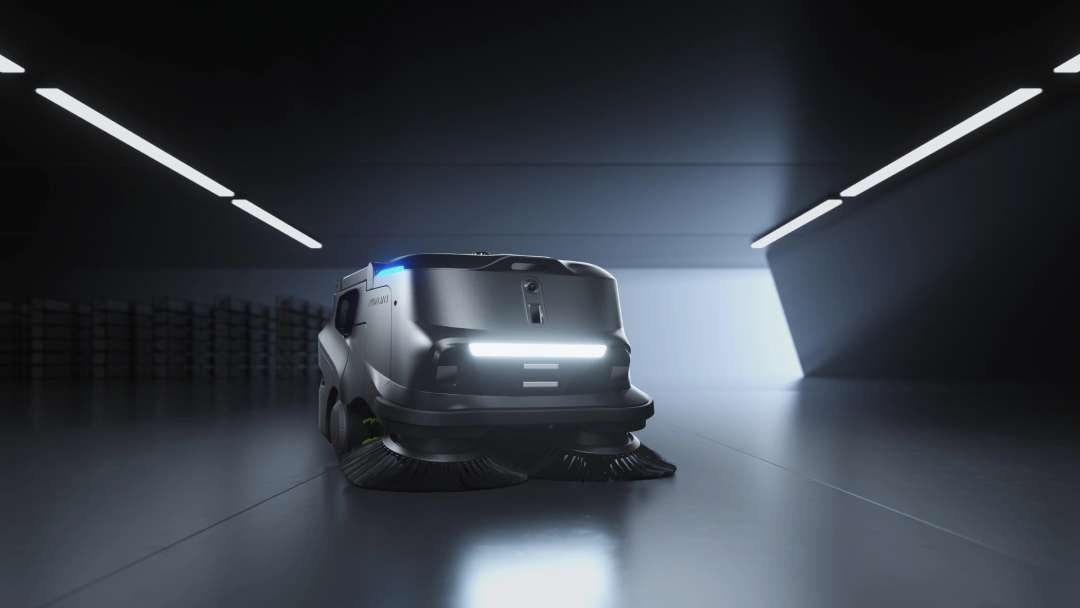
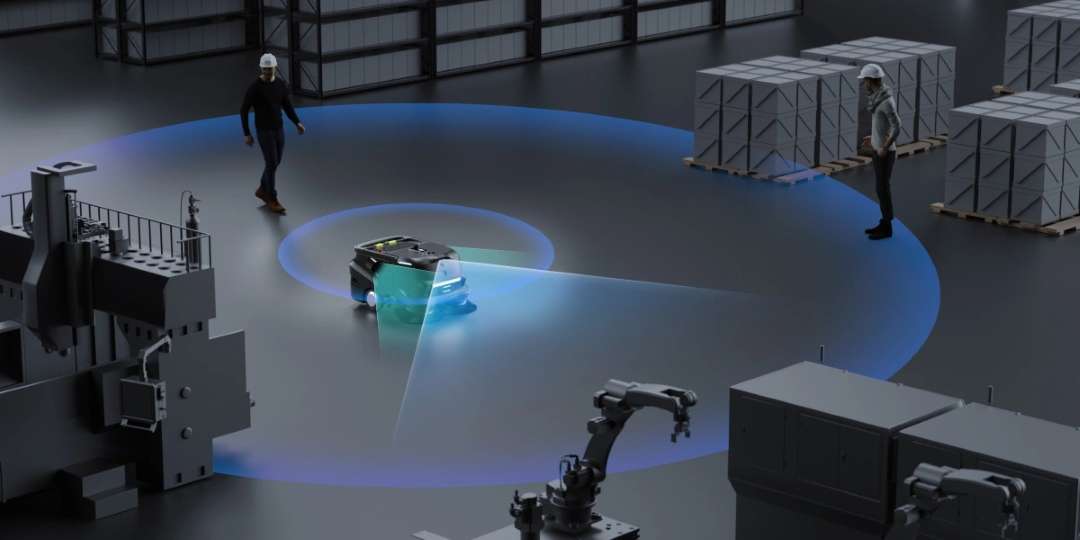
A single-sensor navigation system fails on a live shop floor, where forklifts, pallets, and personnel reshape the layout hour by hour. The MT1 fuses 360° LiDAR SLAM (laser-based simultaneous localisation and mapping) with VSLAM (camera-based visual SLAM). LiDAR provides global metric consistency across the mapped floor; VSLAM compensates near reflective racking, glass partitions, or featureless walls where LiDAR alone can drift. Together, the two systems keep localisation accurate as the facility layout evolves during the working day.
The render below shows the MT1's sensor footprint scanning a factory floor at night, with 360° LiDAR arcs and a forward depth-sensing beam active during live obstacle avoidance.
Construction & Cleaning Hardware
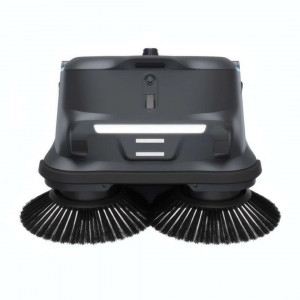
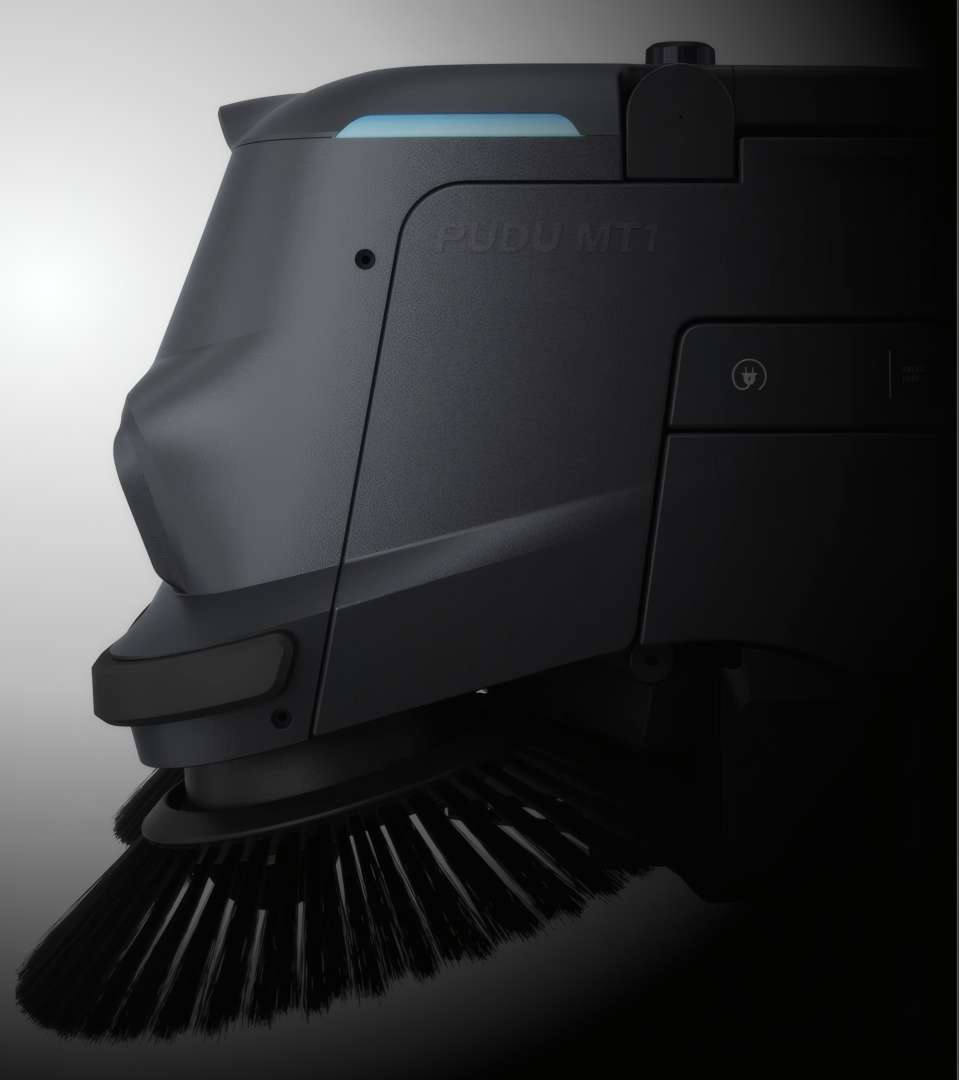
The MT1's cleaning mechanism pairs a central roller brush with two rotating side brushes for an effective sweeping width of approximately 70 cm. Side brushes channel large-radius debris — leaves, plastic bottles, cardboard scraps, aluminium cans — inward toward the intake roller. The roller then drives all captured material into the dustbin through a negative-pressure ventilation circuit, where an air filter traps fine particulate and limits secondary dust suspension. This active dust-control architecture matters in food logistics and pharmaceutical distribution, where floor cleaning must not re-contaminate packaged product with airborne dust.
The close-up below shows the MT1's front profile and side-brush geometry, including how the brush sits flush against the chassis edge for zero-gap perimeter sweeping.
35 L Quick-Release Dustbin — Sized for Extended Runs
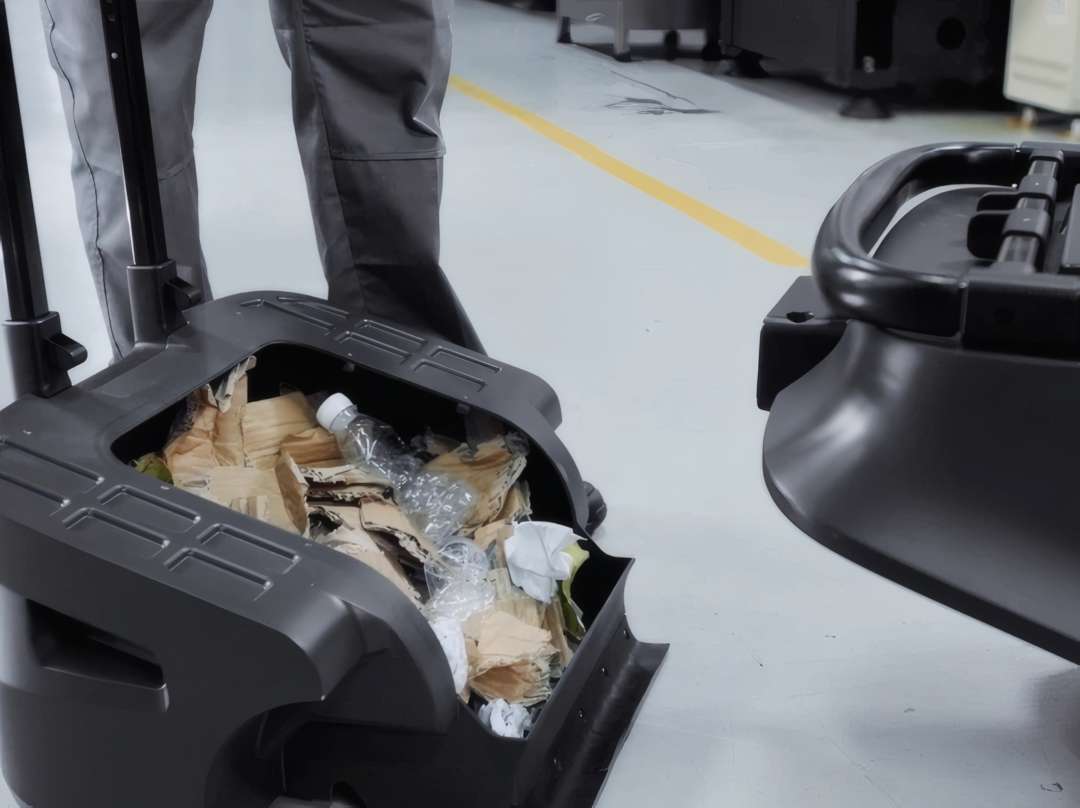
At 35 L, the dustbin holds enough debris for hours of continuous sweeping in high-debris environments. A factory floor validation session produced the mixed load pictured below: cardboard fragments, plastic film, bottles, paper shreds, and general floor litter. The quick-release mechanism allows removal and emptying without tools in under 30 seconds, keeping maintenance interruptions minimal across multi-shift operations.
The photo below documents a single session's worth of collected debris, emptied from the 35-litre bin for inspection.
Modular Quick-Release Design
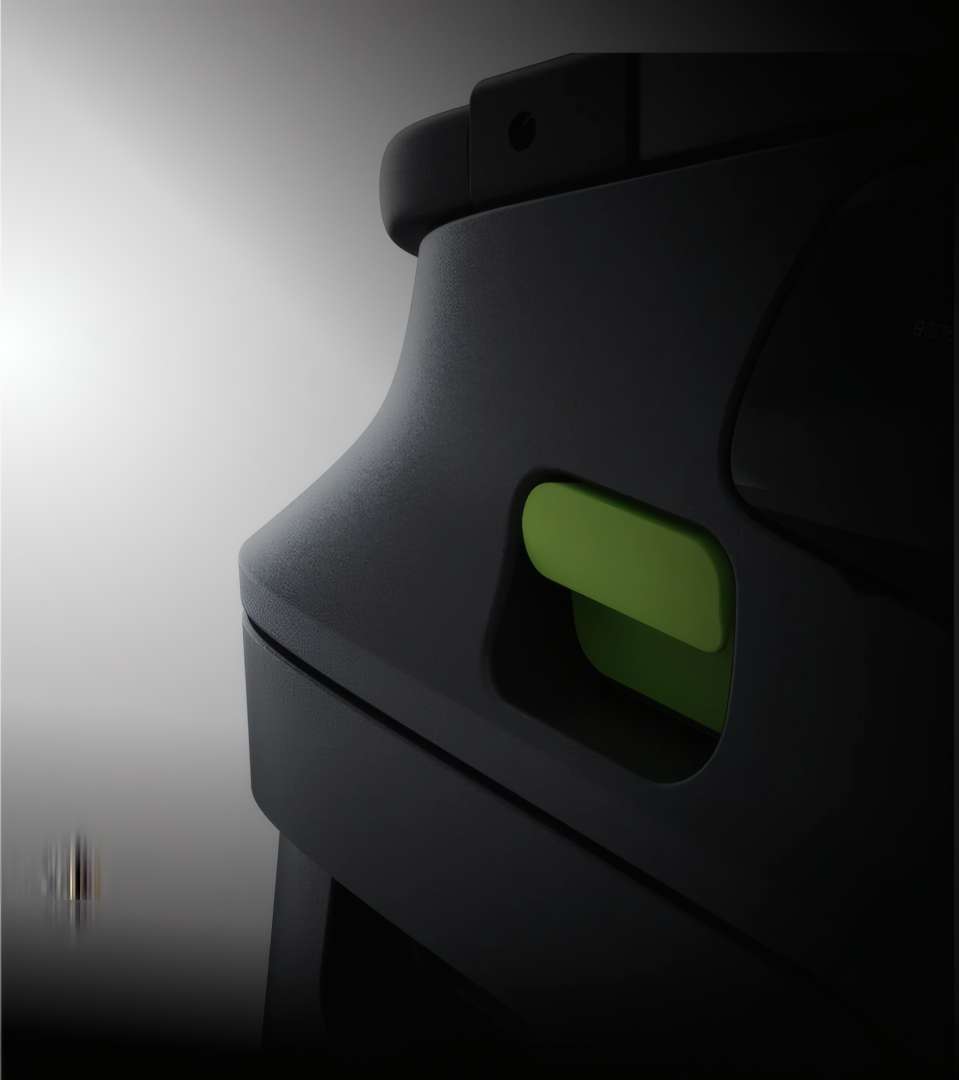
All consumable components — dustbin, side brushes, roller brush, and air filter — use modular quick-release connections that require no tools. The green side-latch button is the single-action release for the entire dustbin module. Side brushes detach by hand, the air-filter handle is accessible from the exterior, and rubber contact strips are replaceable without disassembly.
The close-up below identifies the green latch used to release the dustbin module in a single action.
AI Software & Automation
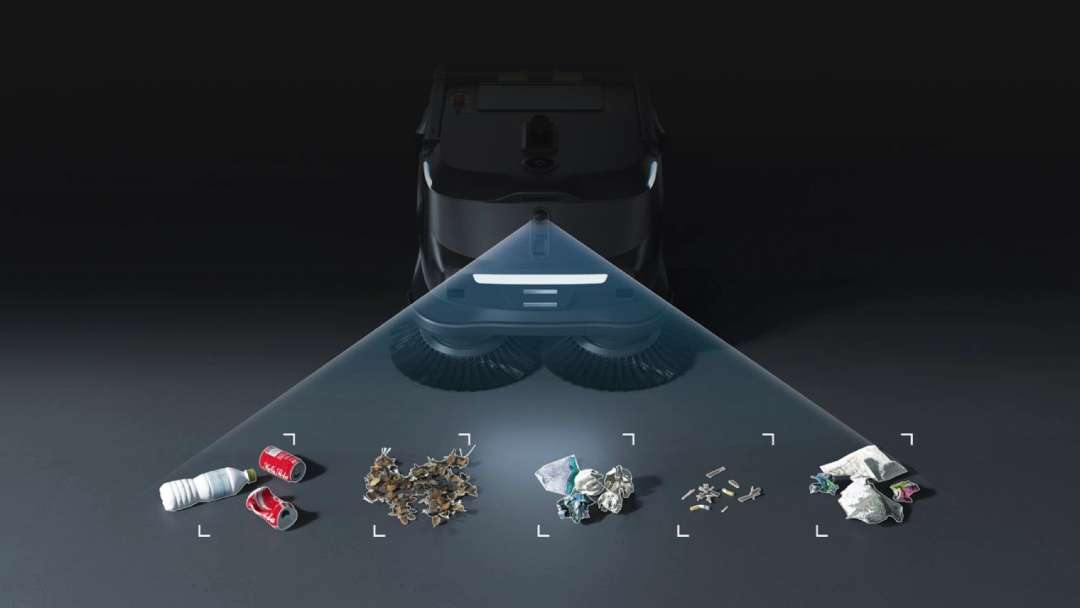
The MT1's front-mounted AI camera continuously scans the floor, classifying waste items with a deep-learning model that improves through ongoing database updates. Recognised categories include plastic bottles, aluminium cans, leaves and organic matter, foil wrappers, cigarette butts, and loose plastic bags. When a high-density waste zone is identified, the system activates Ultra Spot Cleaning — a targeted high-intensity pass delivering up to 500% greater cleaning efficiency in that zone versus standard patrol speed. The AI also distinguishes genuine debris from floor patterns such as printed tile markings, preventing false-positive activations that waste battery cycles.
The scan below shows the camera's detection cone identifying five distinct debris categories at once, from rigid containers to loose organic material.
Manual Mode and Ergonomic Handle
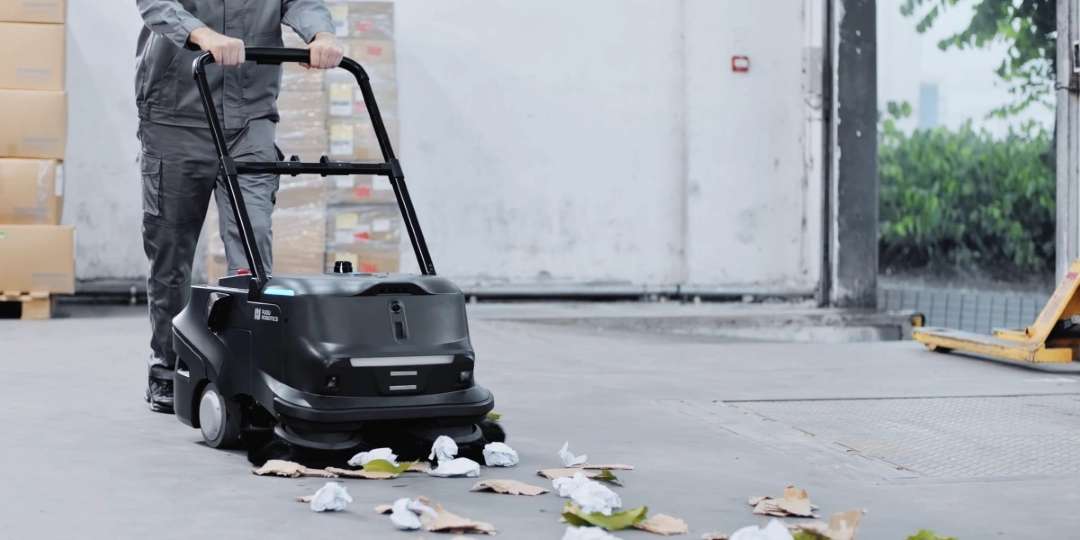
Autonomous navigation is not always the right mode. Loading dock approaches, elevator transitions, and construction zones all call for direct human guidance. The MT1 switches from autonomous to manual mode by raising its retractable steering handle, converting the robot into a walk-behind sweeper. The brushes and dustbin remain fully active in manual mode — the operator steers, the robot cleans.
The photo below shows the MT1 in manual mode on a concrete loading dock, guided across a mixed field of leaves, paper, and cardboard.
Detachable 10.1-Inch Screen and Retractable Handle
The control interface runs on a 10.1-inch Android-powered LCD screen with a protective cover. The screen detaches entirely — it can be used hand-held or mounted on the steering handle rail for full access during manual operation. The fold-up handle design allows height adjustment and stows flush against the robot body during autonomous runs.
The close-up below shows the handle hinge mechanism and the detachable screen's dock position on the upper bar.
24/7 Continuous Operation — Autonomous Charging
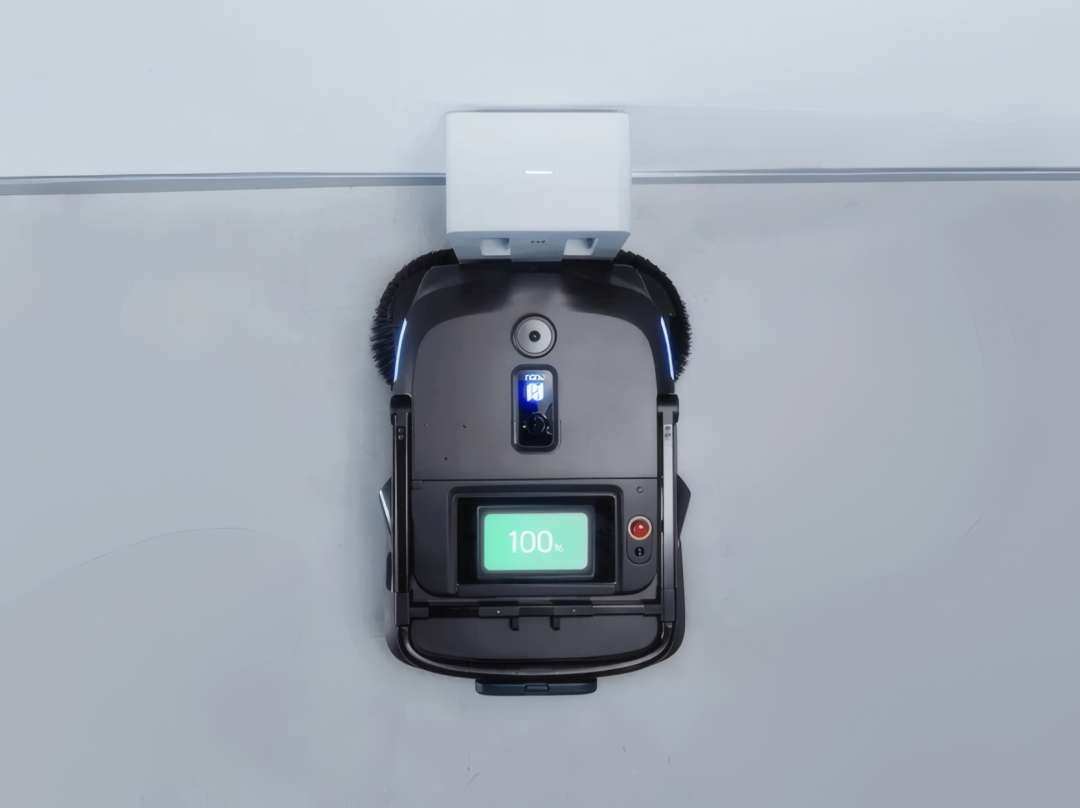
The 45 Ah battery delivers 4 to 8 hours of runtime per cycle under standard mixed-speed conditions. A full recharge completes in approximately 3 hours, allowing up to three charge-discharge cycles within a 24-hour period. When battery level drops to the return threshold, the MT1 docks with the charging station on its own, recharges, and resumes its programmed schedule without staff intervention. Tasks can be scheduled for specific time windows, enabling overnight cleaning to run unsupervised.
The aerial view below shows the MT1 docked at its charging station, with the screen confirming a full 100% battery.
Safety Systems
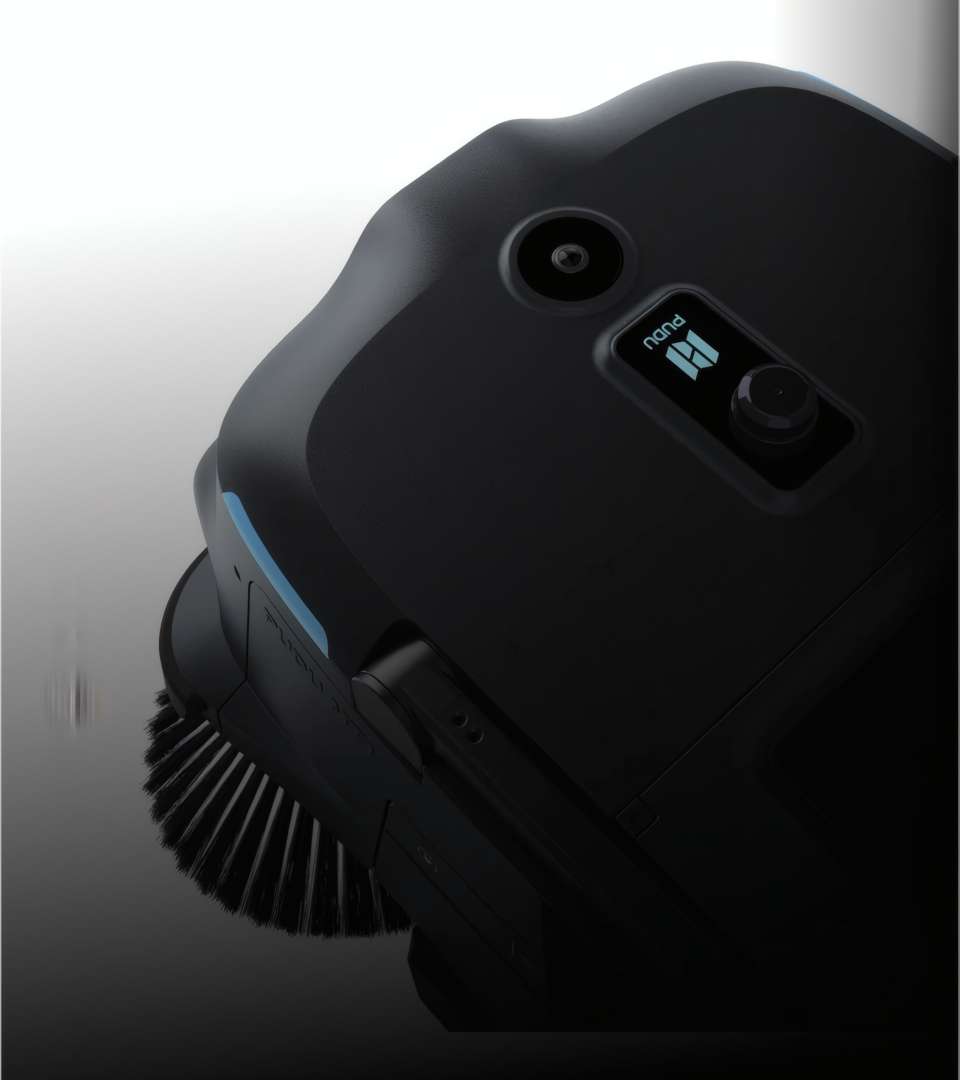
Safety in high-traffic industrial spaces requires sensor redundancy. The MT1 integrates LiDAR, dual RGB cameras, dual RGB-D depth cameras, and line-laser sensors in a layered detection architecture. This fusion recognises low-profile obstacles and moving personnel at floor level, triggering avoidance or a controlled stop before contact occurs.
The close-up below shows the front-top sensor cluster, positioned above the side-brush zone for an unobstructed detection field.
The video below demonstrates the MT1's full operational scope, from AI debris detection to autonomous docking at the charging station.
Applications
- Warehousing and logistics hubs: covers wide-aisle concrete floors continuously, clearing packaging debris, plastic film, and cardboard fragments generated during pallet handling.
- Manufacturing facilities: removes packaging waste and general floor debris from production-adjacent walkways without halting material flow.
- Airports and transport hubs: maintains large concourse and corridor floors on a scheduled cycle, switching to manual mode for tighter gate-area passages.
- Retail superstores: sweeps wide gondola aisles and entrance zones between trading hours, docking and recharging on its own.
- Food logistics and pharmaceutical distribution: the sealed dust-filtration circuit prevents airborne particulate from re-contaminating packaged product during floor cleaning.
- Loading docks and construction zones: manual walk-behind mode gives an operator direct control where autonomous navigation is not suitable.
Compatibility of the PUDU MT1
- Charging station: compatible exclusively with the dedicated MT1 docking station used for autonomous auto-charging cycles.
- Visual positioning marker: uses the supplied marker for SLAM start-location calibration at the beginning of each cleaning route.
- Side brushes: quick-release rotating side brushes are interchangeable and available as replacement spare parts.
- Roller brush and air filter: tool-free replacement components maintain the same negative-pressure ventilation circuit.
What's in the box
- PUDU MT1 main unit (fully assembled)
- Charger × 1
- Sweeping side brushes × 2
- Sweeping roller brush × 1
- PUDU MT1 User Manual × 1
- Certificate of Conformity × 1
- Positioning marker (visual marker) × 1
- Warning flagpole × 1
Technical specifications of the PUDU MT1
Identification and Physical Parameters
| Parameter | Value |
| Model | MTBC01 |
| Dimensions (L × W × H) | 84 × 60 × 49 cm |
| Weight | ~65 kg |
| Enclosure Material | PC+ABS |
Power and Battery
| Parameter | Value |
| Operating Voltage | DC 23–29.2 V |
| Power Input | AC 100–240 V, 50/60 Hz |
| Power Output | Max. 29.2 V, 20 A |
| Battery Capacity | 45 Ah |
| Charging Time | ~3 h |
| Runtime | 4–8 h |
Mobility and Navigation
| Parameter | Value |
| Navigation Method | Integrated LiDAR and VSLAM dual positioning |
| Cruise Speed | 0.2–1.2 m/s (adjustable) |
| Min. Travel Width | 75 cm |
| Min. Turning Width | 110 cm |
| Max. Surmountable Height | 20 mm |
| Max. Climbing Angle | 8° |
| Max. Surmountable Gap | 30 mm |
| Working Noise | < 75 dB |
Cleaning System
| Parameter | Value |
| Cleaning Width (with side brushes) | ~70 cm |
| Dustbin Capacity | 35 L |
| Cleaning Capabilities | Paper, plastic film, leaves, bottles, and general floor debris |
Interface and Computing
| Parameter | Value |
| Screen | 10.1-inch LCD (detachable) |
| Operating System | Android |
| Mobile App | Supported |
| Operation Mode | Manual / Auto |
Connectivity and Automation
| Parameter | Value |
| Communication | 4G, Wi-Fi, Bluetooth, Lora / 2.4G (optional) |
| Auto Charging | Supported (with MT1 charging station) |
Environmental Conditions
| Parameter | Value |
| Working Temperature | 0 °C – 40 °C (32 °F – 104 °F) |
| Working Humidity | ≤ 90% RH |
| Storage Temperature | -20 °C – 70 °C (-4 °F – 158 °F) |
| Storage Humidity | ≤ 90% RH |
| Working Altitude | < 2,000 m |
| Application Scope | Polished concrete, epoxy resin, rubber, brick, ceramic tiles |
| IP Rating | IPX3 |
Why buy the PUDU MT1 from EXPERT3D?
EXPERT3D has supplied professional 3D and robotics equipment since 2012. Our team offers pre-sales technical consultation to help evaluate deployment scenarios, cleaning schedules, and facility integration for the PUDU MT1. Every unit ships with an official manufacturer warranty and authorised after-sales service, backed by direct manufacturer contacts. We provide post-sale operator training and ongoing technical support, plus financing options for facility and logistics buyers. Spare parts — side brushes, roller brushes, and air filters — are available to keep the MT1 running with minimal downtime. Delivery is available across Spain and the wider EU. As an official representative of PUDU, we guarantee 100% authenticity, fair pricing, authorized service, and an official warranty.