- Stock: In Stock
- Product code: 920372000001160149
- Weight Brutto: 240.00kg
- SKU: 10310-000002

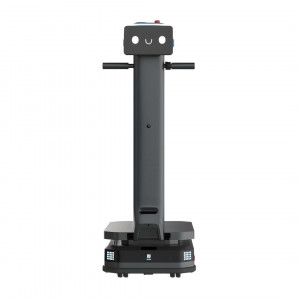
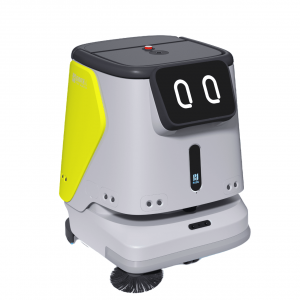
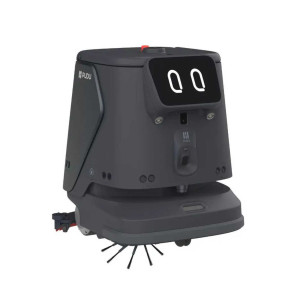
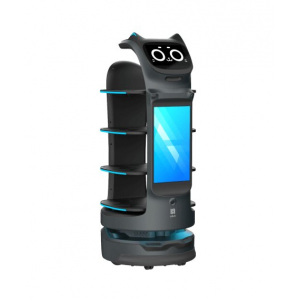
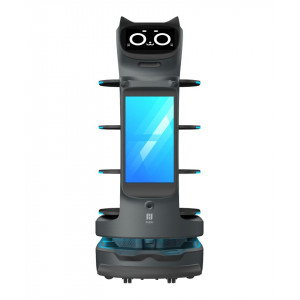
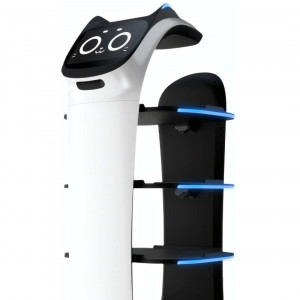
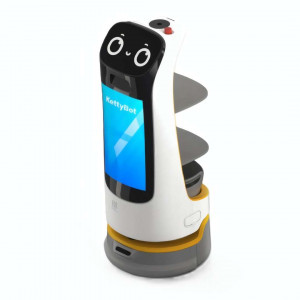
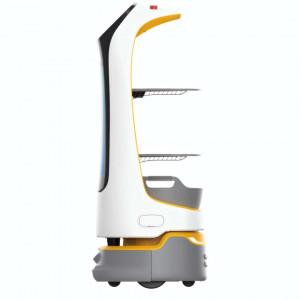
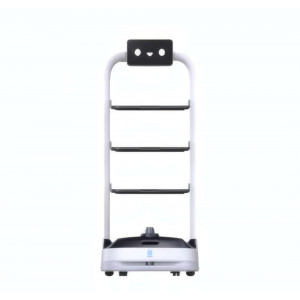
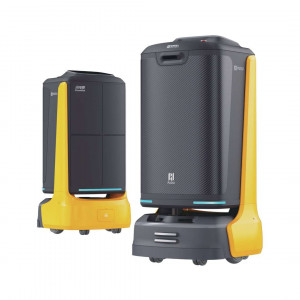
PUDU T600 is a heavy-payload Autonomous Mobile Robot (AMR) designed for industrial warehouse and manufacturing logistics. It moves loads between production cells and across multi-floor facilities without an onboard operator. Standard and Underride configurations fuse VSLAM with LiDAR SLAM for dual-layer navigation. Native IoT integration links the robot directly to building elevator control systems.
| Specification | Why it matters |
|---|---|
| Maximum Payload: 600 kg (1,322 lbs) | A single mission replaces four to six manual trolley or forklift trips, cutting labor hours and aisle traffic. |
| Navigation Method: VSLAM + LiDAR SLAM (Standard) / LiDAR SLAM only (Underride) | Dual-sensor fusion keeps positioning accurate near glass partitions and repetitive shelving where single-modality systems fail. |
| Battery Runtime: 12 h (no load) / 6 h (max load) | Covers a full 8-hour shift at maximum payload without a mid-shift recharge stop. |
| Charging Time: Approx. 2 h (0% to 90%) | Short recharge windows keep multi-robot fleets rotating with minimal idle time. |
- Two hardware configurations: the Standard and Underride variants share the same payload rating and battery, letting one fleet mix upright delivery robots with rack-lifting units.
- VDA5050 protocol compliance: the robot joins any standards-based Warehouse Management System or fleet scheduler without custom middleware development.
- Elevator IoT integration: the T600 calls, boards, and exits building elevators autonomously, extending deliveries across multiple floors without staff assistance.
- Disaster Avoidance Module: a direct link to fire and seismic alarm panels triggers automatic evacuation-safe parking, clearing operational aisles during an emergency.
600 kg Payload for Industrial Logistics
Most light-duty AMRs cap out at 100–200 kg, suited to document trolleys or catering carts. The PUDU T600 targets a different task set: raw-material transport between production cells, inter-floor pallet moves, and high-volume bin transfers in wide-aisle warehouses. At 600 kg maximum payload, one T600 mission can absorb four to six manual trip equivalents, lowering forklift traffic and labor hours per unit of cargo moved.
The clip below walks through the T600 series lineup, showing both configurations in typical warehouse operating conditions.
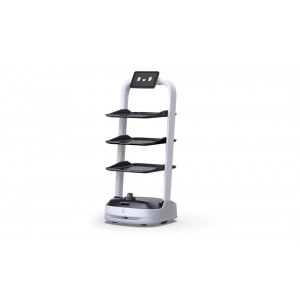
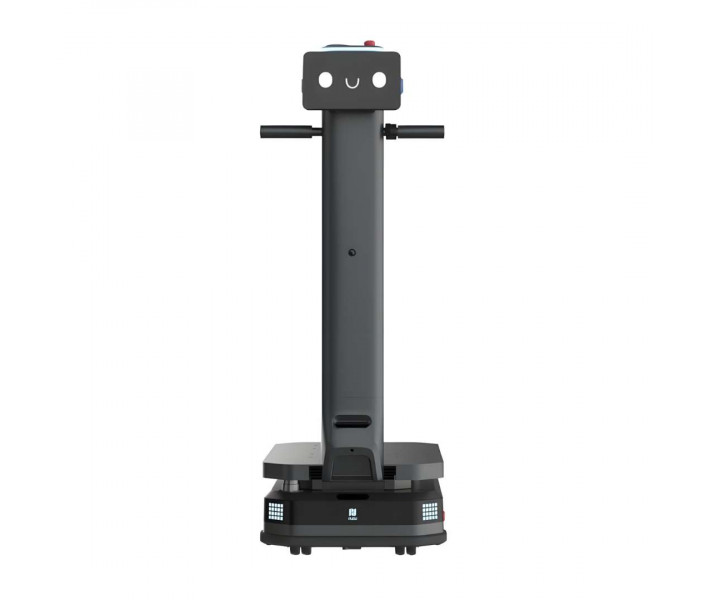
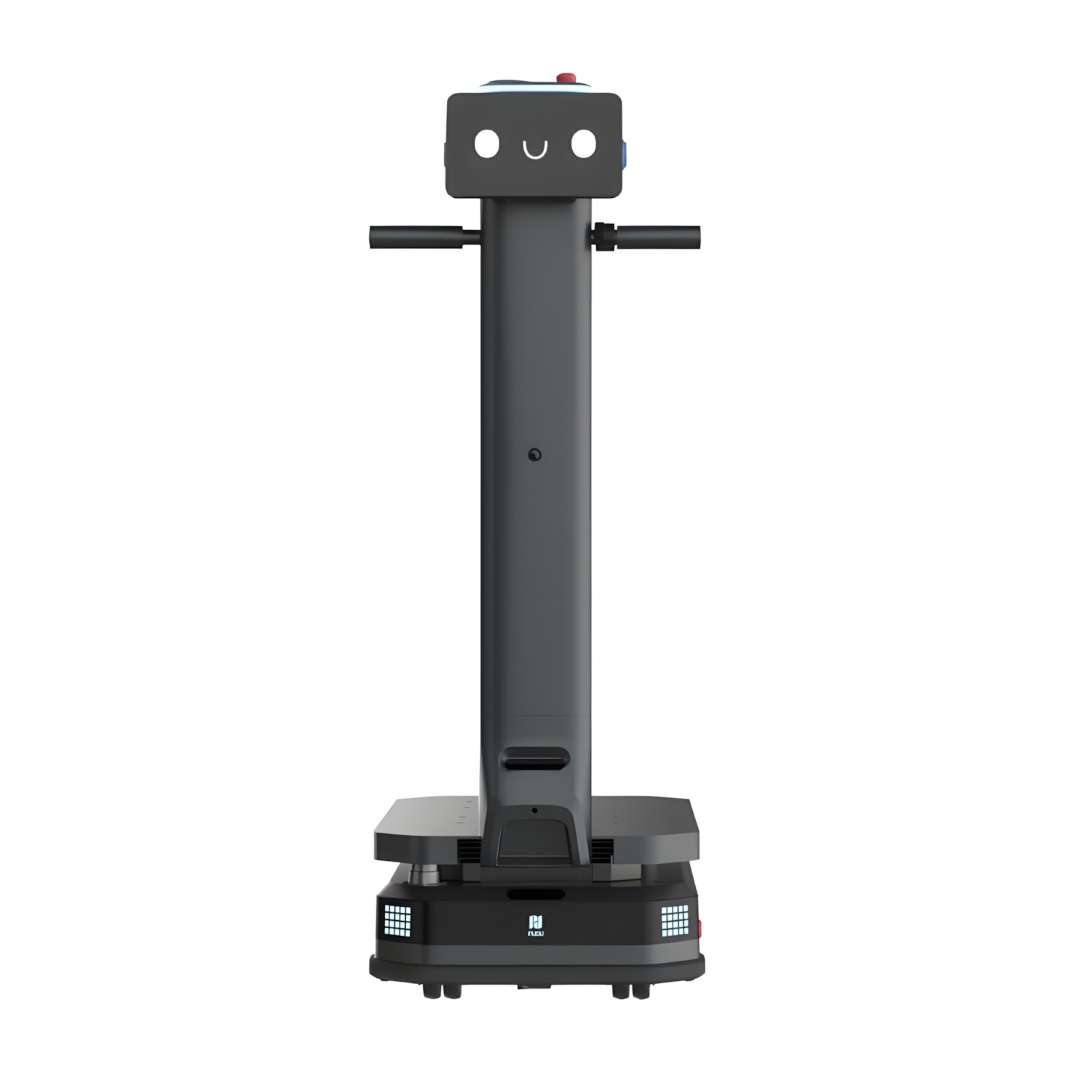
The chassis layout below highlights how the Standard version keeps the control interface within easy reach of nearby staff.
Standard vs. Underride Configuration
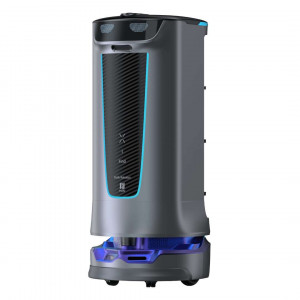
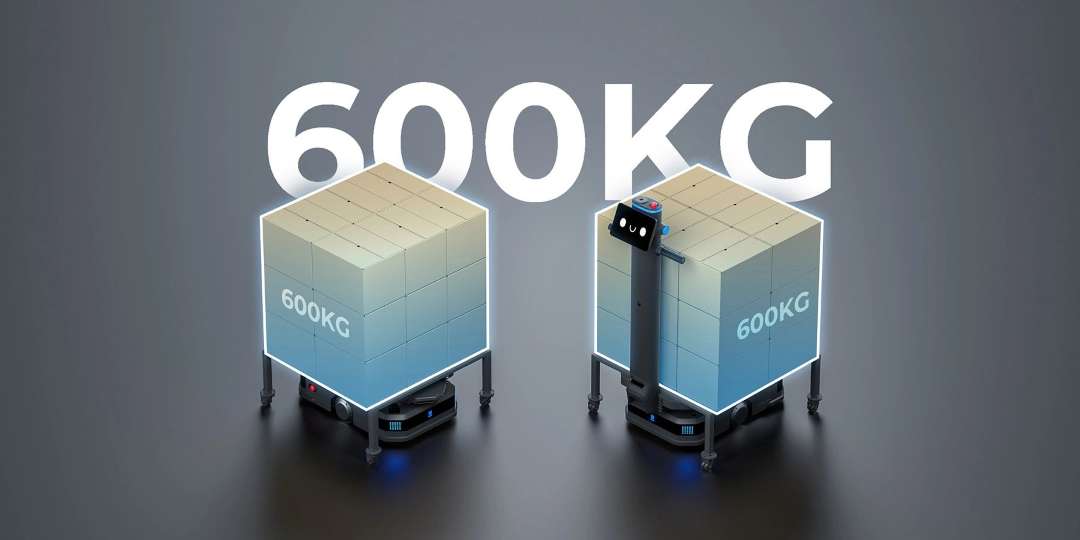
The Standard version stands 1,350 mm tall and carries the touchscreen, power-assist switch, indicator lights, and ground safety projector — suited to zones needing local task input or a visible robot presence. The Underride version drops to a 255 mm chassis built to slide beneath storage racks and lift entire shelving units for goods-to-person workflows. Both variants weigh under 115 kg and share the 30 Ah battery, VDA5050 support, and the 600 kg payload ceiling.
Placed side by side, the two hardware profiles make clear that payload capacity stays identical regardless of which variant is deployed.
Rack Group Recognition
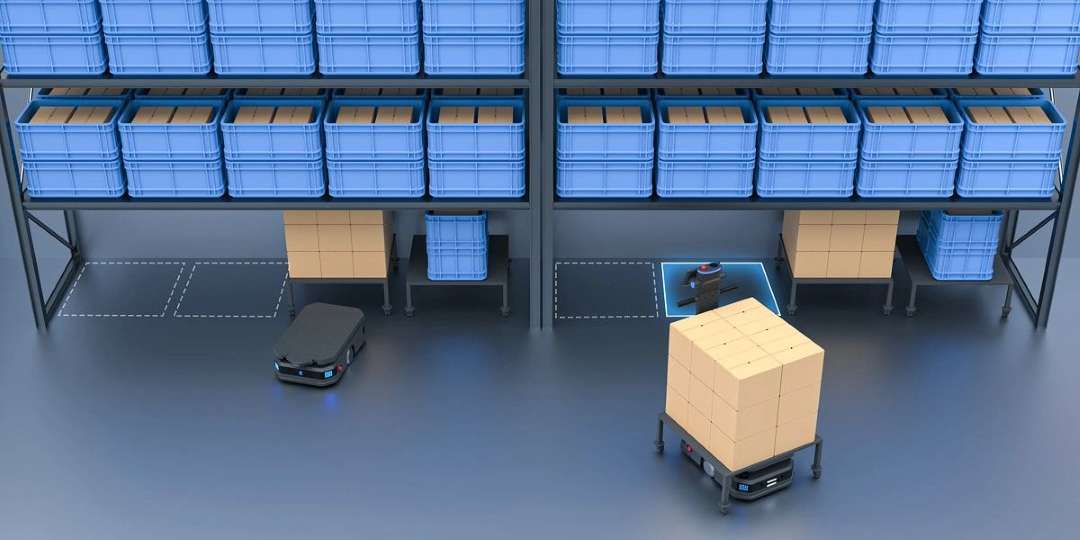
The navigation stack can identify a specific storage location inside a configured rack group and position itself for pick-and-place without barcode scanners. VSLAM camera data and LiDAR sensor fusion compute the docking approach; a fleet scheduler only sends a destination ID. On the Underride version this extends to lifting entire rack units — the robot slides underneath, raises the lift mechanism, and transports the full rack onward.
The sequence below captures an Underride unit engaging a shelving rack from below, just before a full-rack transport cycle begins.
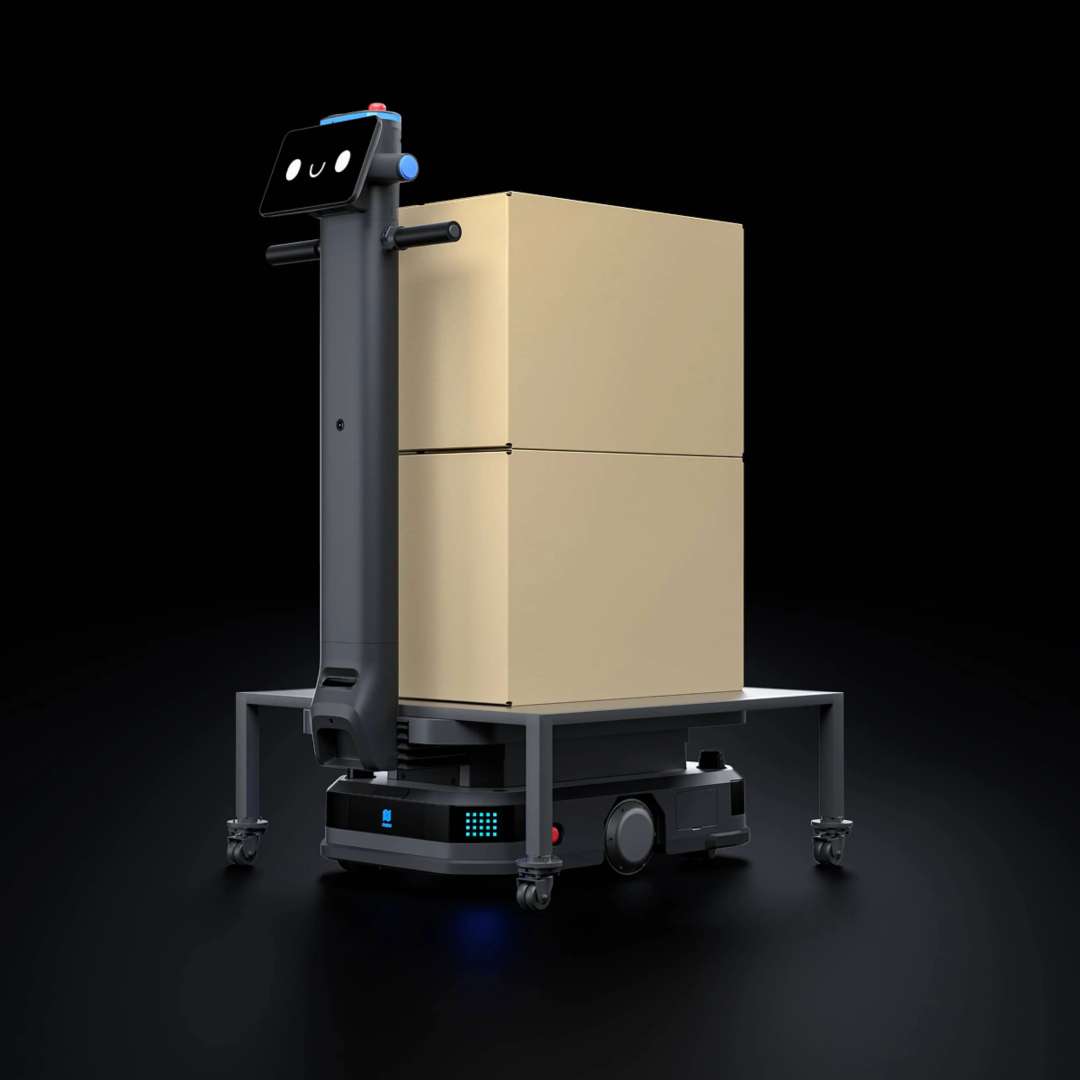
On the Standard side, a reinforced cargo stand handles stacked loads reaching a large share of the payload ceiling without losing structural stability.
Navigation Architecture: VSLAM + LiDAR SLAM
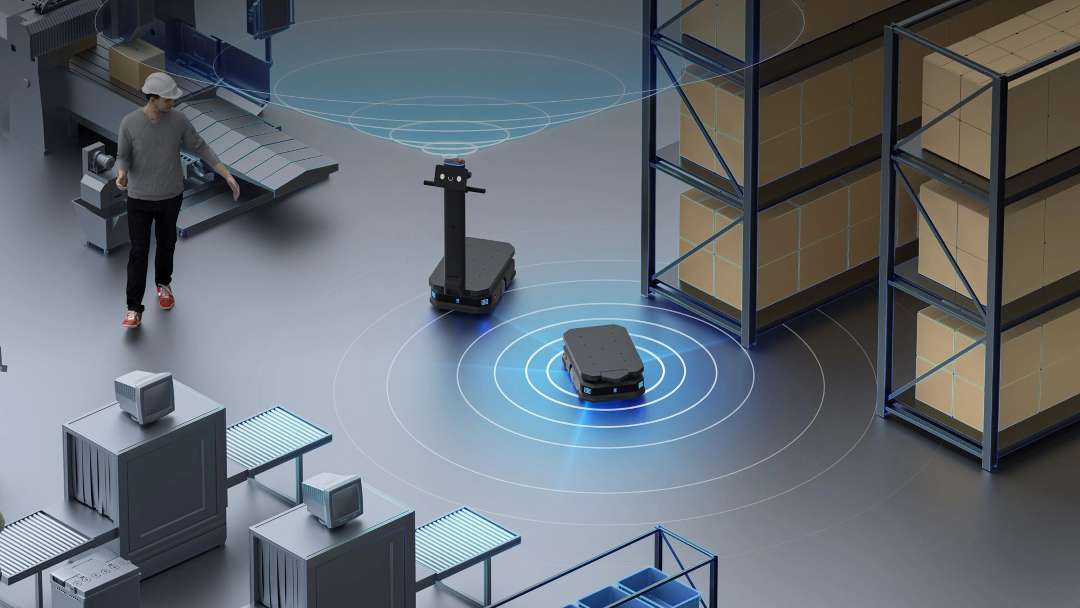
Relying on a single navigation modality is a reliability risk on a real production floor. LiDAR SLAM builds an accurate 2D floor map but struggles near glass partitions and repetitive shelving, where scan segments look alike. VSLAM adds a ceiling-facing visual landmark layer that stays stable regardless of floor-level activity. The Standard T600 fuses both streams in real time, so a degraded signal from one does not break localization. The Underride variant runs LiDAR SLAM alone, matching its constrained under-rack environment where visual landmarks are unavailable.
The composite sensor map below shows how LiDAR, downward RGBD cameras, and collision sensors combine into one spatial awareness field around the unit.
Dynamic Obstacle Avoidance
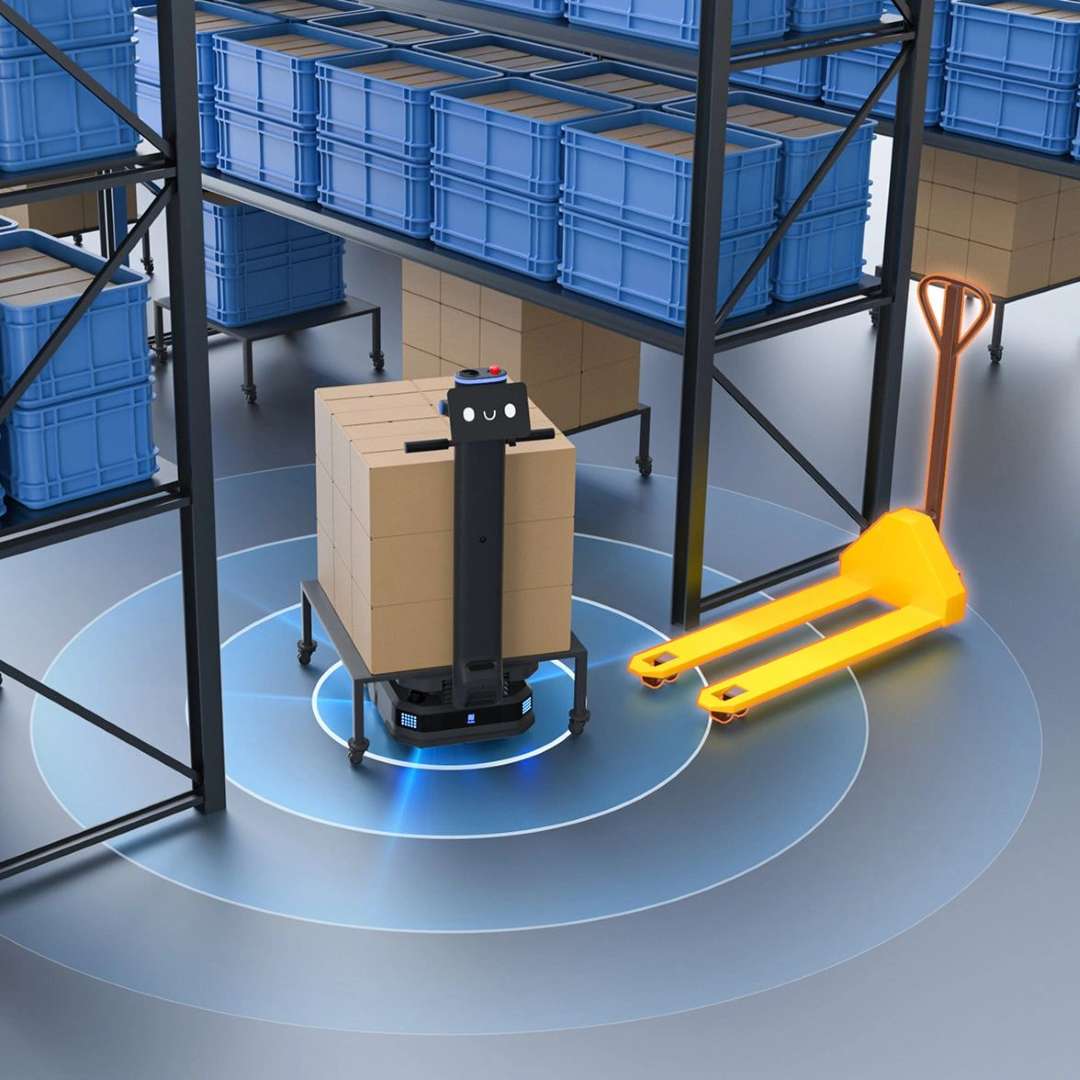
Forklifts reposition, workers cross aisles, and pallet jacks sit low in transit corridors below LiDAR scan height. Downward-facing RGBD cameras catch these low-profile objects; collision bumpers add a final physical safety layer; a real-time replanning algorithm recalculates the route the moment a stationary obstruction is confirmed. Moving obstacles trigger a speed reduction, then a full stop, before any contact occurs.
The detection rings below quantify clearance distance around a pallet jack an instant before the T600 issues a rerouting decision.
Ground Safety Projection
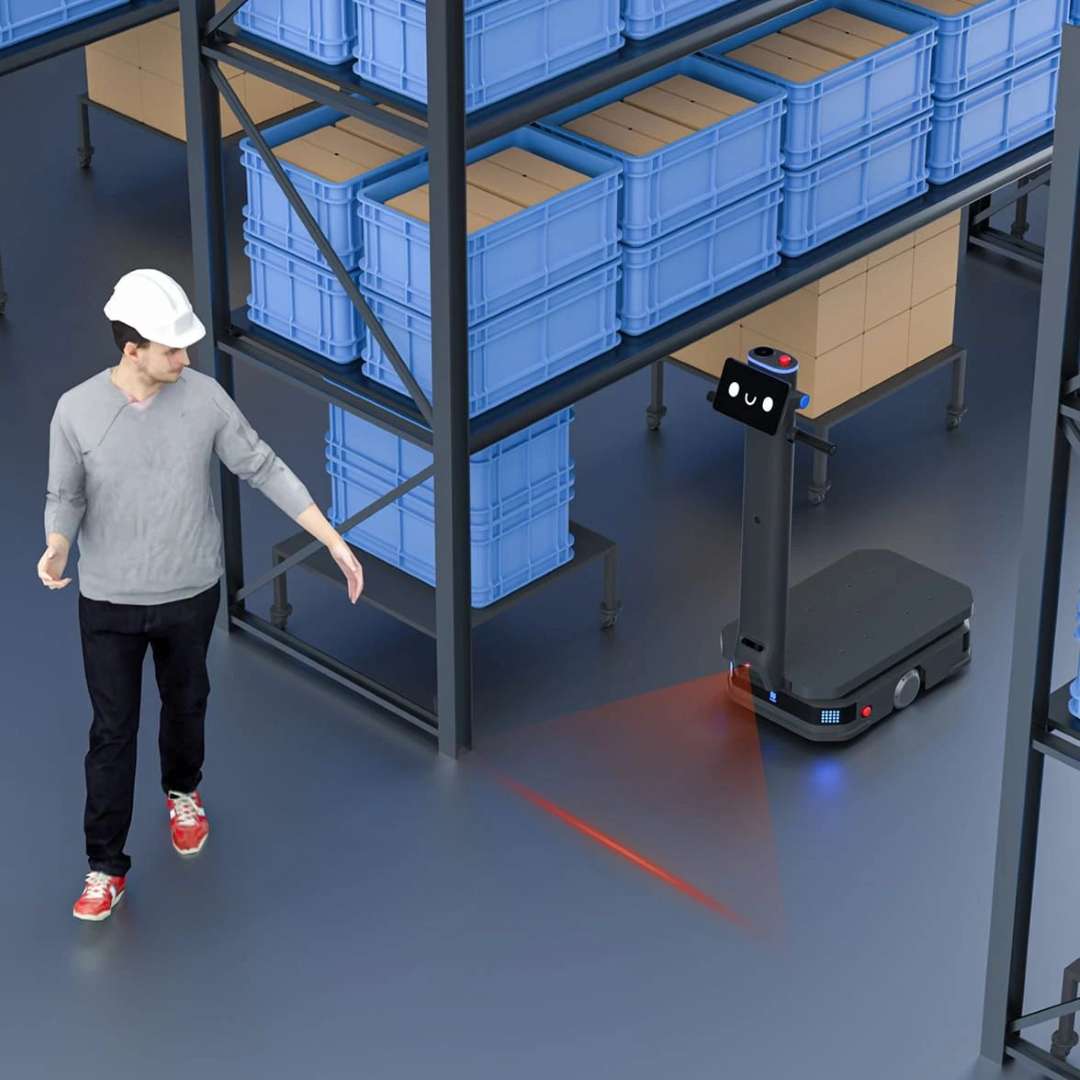
Standard units project a linear red mark onto the floor ahead of their travel path. This safety contour projector gives workers a floor-level signal they recognize instinctively, without reading a screen or hearing an alert. The projection tracks heading in real time and is exclusive to the Standard version; the Underride variant does not include it.
A worker adjusting course after spotting the floor projection illustrates how the signal works as a passive, always-on communication channel in shared aisles.
Narrow Aisle Traffic Intelligence
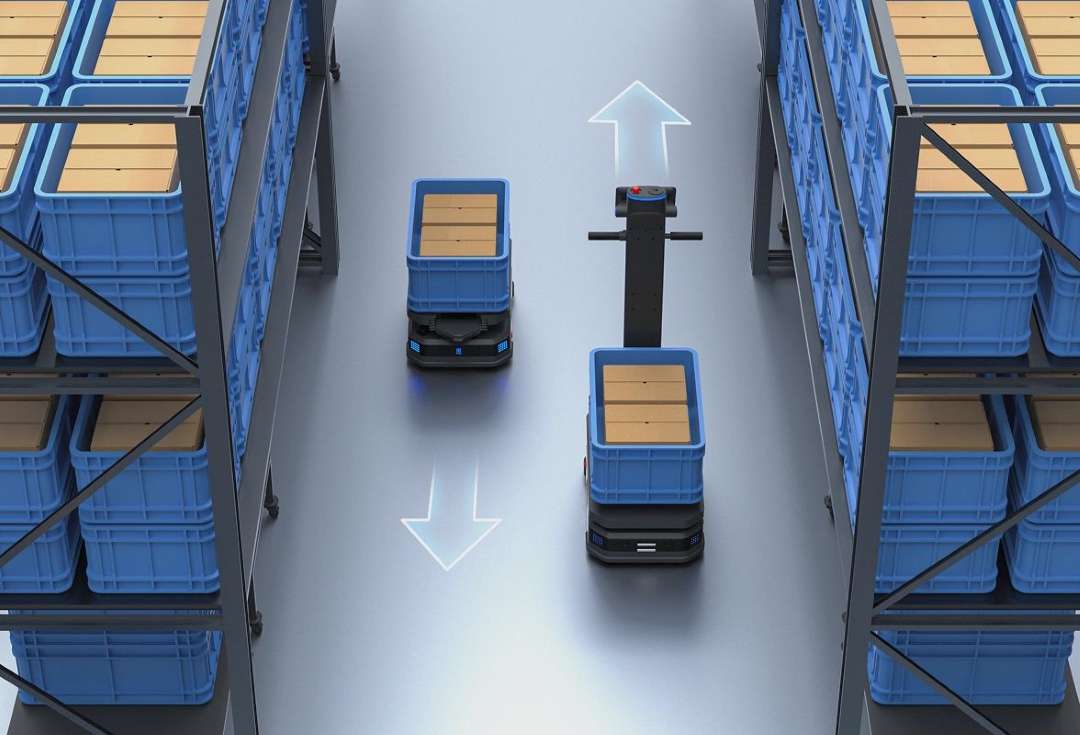
Routing several heavy-payload robots through corridors barely wide enough for two-way passage is a common bottleneck in dense storage. The Narrow Aisle Intelligent Traffic Strategy resolves this at the scheduler level, comparing corridor width against each robot's physical footprint — including any cargo overhang set in the Run Setting menu — to decide whether two units may pass simultaneously or must move in sequence. Wide loads route sequentially; narrower payloads cross at the same time, maximizing aisle throughput on every pass.
The pair of units below is crossing in opposite directions after the scheduler confirmed simultaneous passage was geometrically safe.
When a primary route is blocked — a parked robot, a restricted bay — the scheduler issues a live reroute rather than waiting for the obstruction to clear.
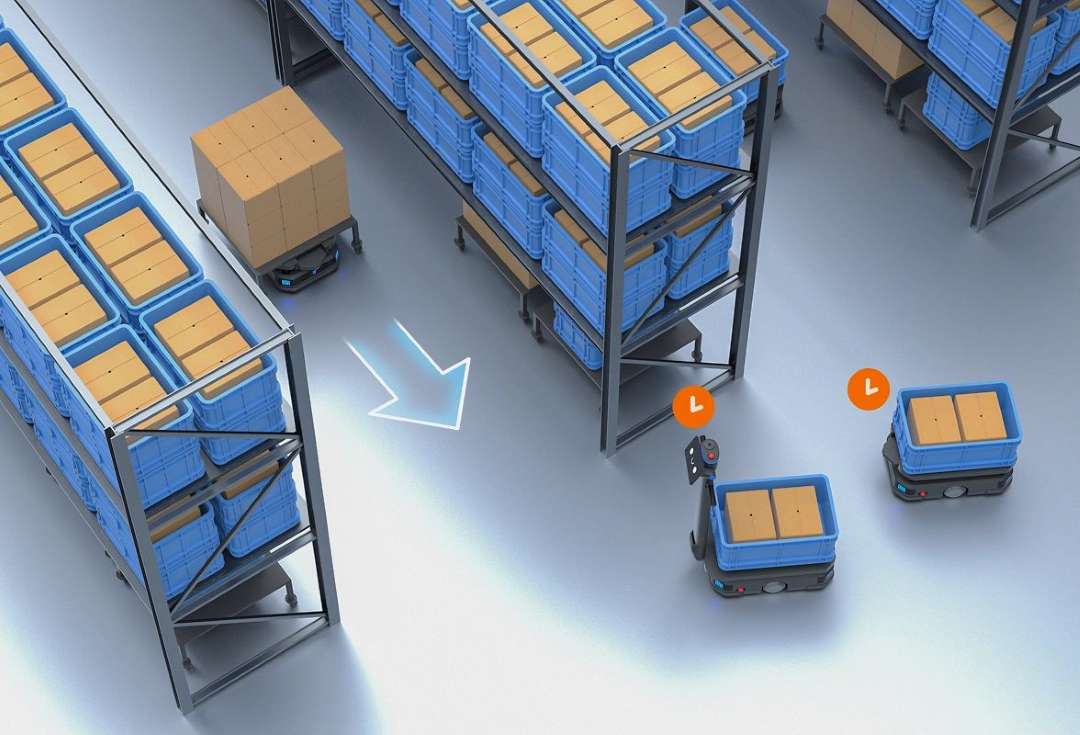
Disaster Avoidance & Safety
Standard AMRs simply stop and alert an operator when they meet an obstacle. The T600 goes further with a Disaster Avoidance Module linked directly to facility fire alarm panels and seismic sensors. On receiving an alarm signal, the robot autonomously drives to a designated safe zone or parks in a location chosen to avoid blocking evacuation routes — a fleet clears the floor in a coordinated way rather than freezing in place.
The alert markers below show several units rerouting away from a triggered alarm zone under the central scheduler's coordination.
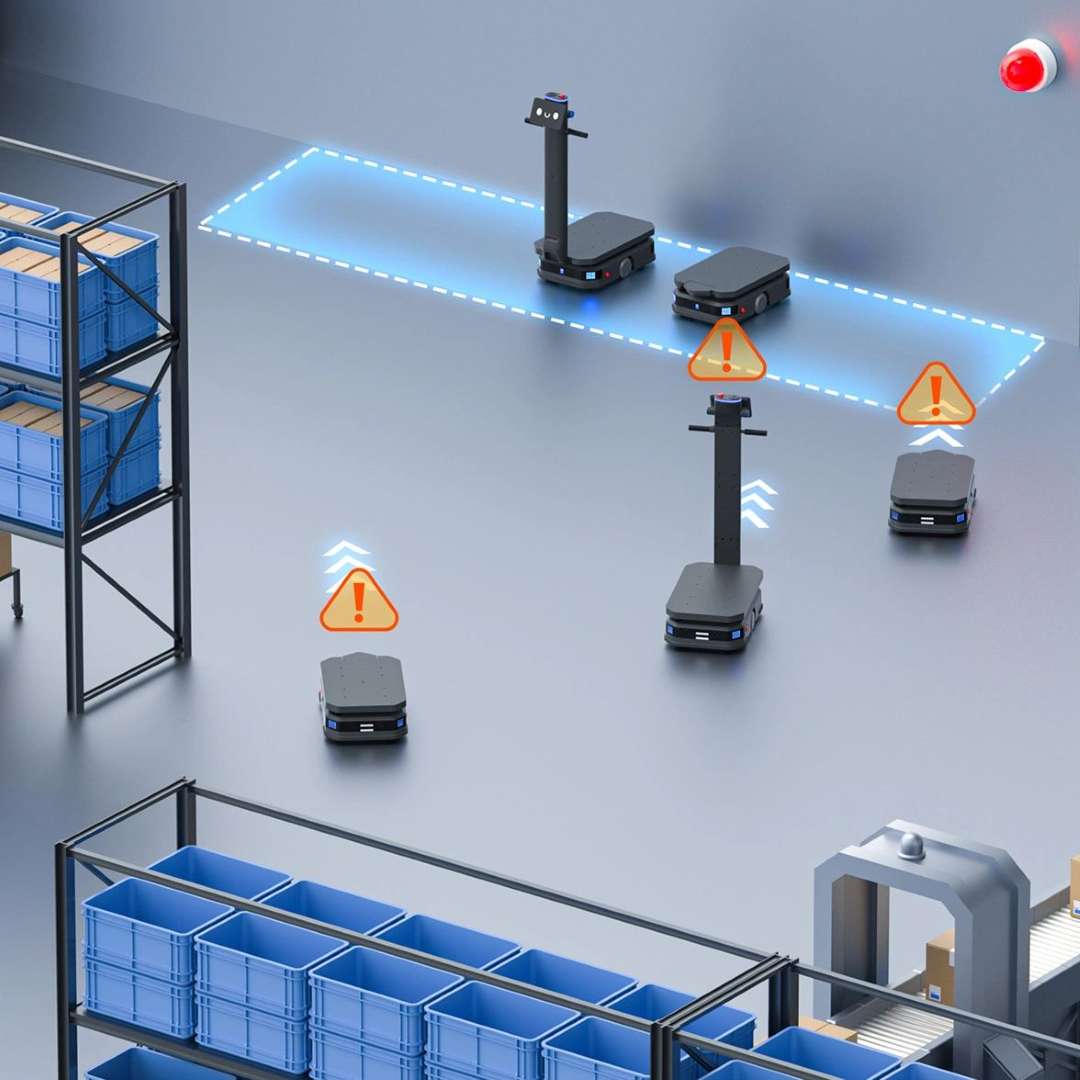
Power-Assist Handle
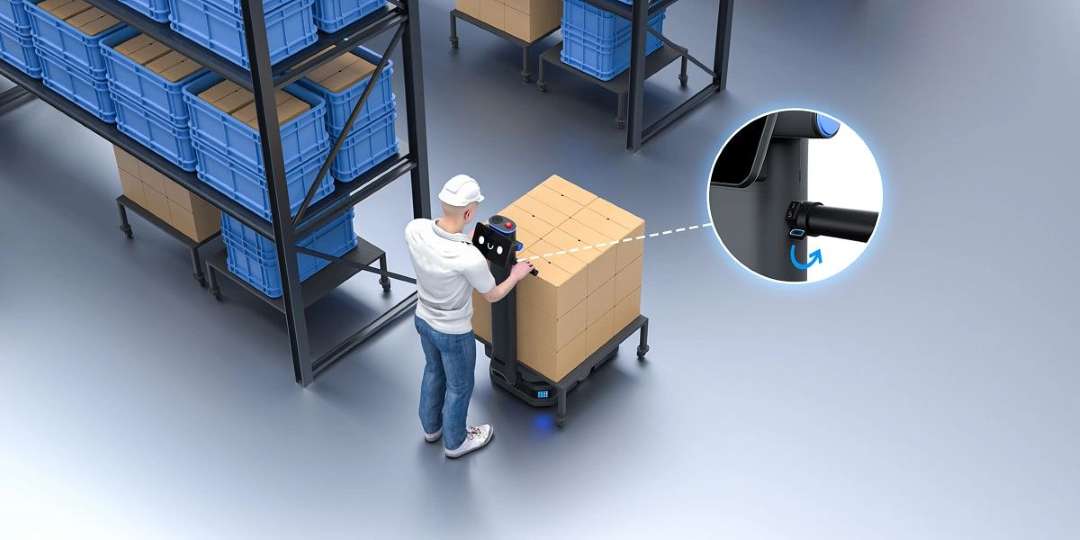
Manual repositioning is occasionally needed even in a fully automated warehouse — after maintenance or while building an initial map. Moving a 112 kg robot under a 600 kg payload by hand is not practical without help. The Standard version's power-assist handle switch engages a motorized boost that reduces the pushing force to a level one person can manage, without unloading the robot first. The Underride version does not include this feature.
The photo below shows an operator steering a fully loaded T600 using the assist handle during a maintenance repositioning task.
Tech Tip: On ramps or 3° inclines between warehouse levels, permitted payload drops as the load's center of mass (CoM) rises and shifts laterally. The operation guide's load-height vs. CoM-offset tables define the maximum safe payload for each combination — check them under Settings > Robot Functions > Run Setting before dispatching a heavily loaded robot on any incline.
Fleet Scheduling, VDA5050 Protocol & IoT Integration
The T600 is built as a network node rather than a standalone unit. VDA5050 compliance gives it a standardized interface for receiving missions, reporting status, and coordinating with other compliant robots regardless of manufacturer. A mixed fleet runs from one scheduling layer with no custom API work, and on-premises deployment covers facilities with strict data-security requirements or closed networks.
The dashboard below tracks 26 units across five building floors, each reporting battery level, mission status, and position from a single screen.
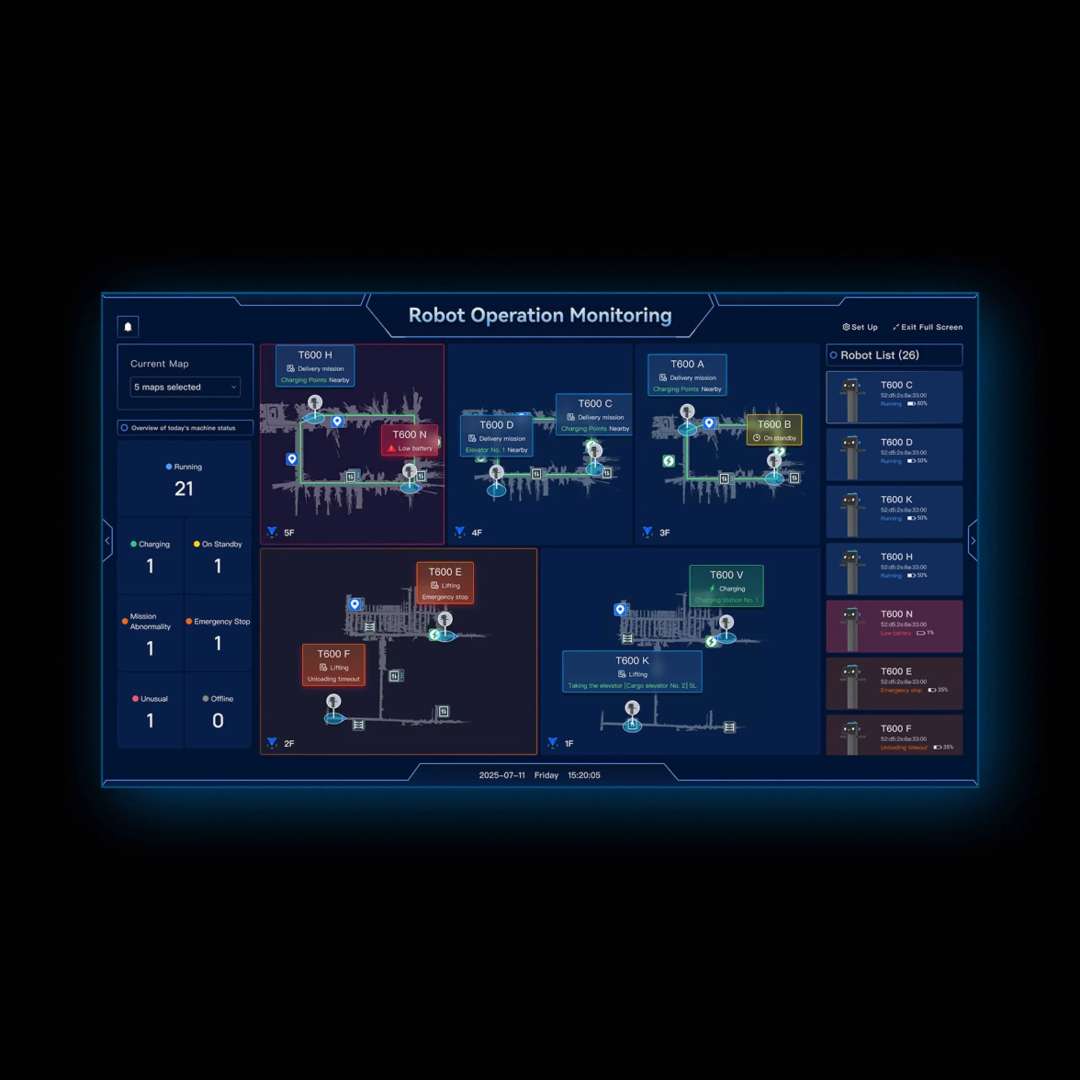
Elevator IoT Integration
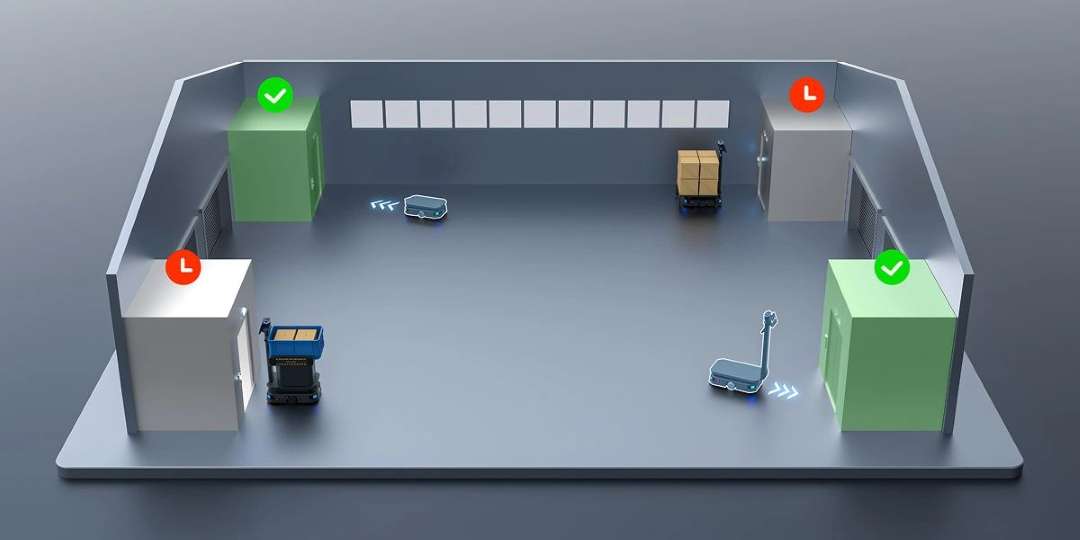
Cross-floor transport is normally the hardest workflow to automate, since it requires interacting with building infrastructure, not just floor-level navigation. The T600 calls an available elevator, enters, selects the target floor, and exits on arrival without human help. Idle Elevator Priority Scheduling monitors every car in real time and assigns whichever is free, cutting wait time and preventing conflicts when several robots need the same elevator.
Green and red markers on the dispatch map below show which elevator cars are being assigned versus bypassed by the scheduling layer.
Large-Scale Deployment: WiFi & On-Premises Architecture
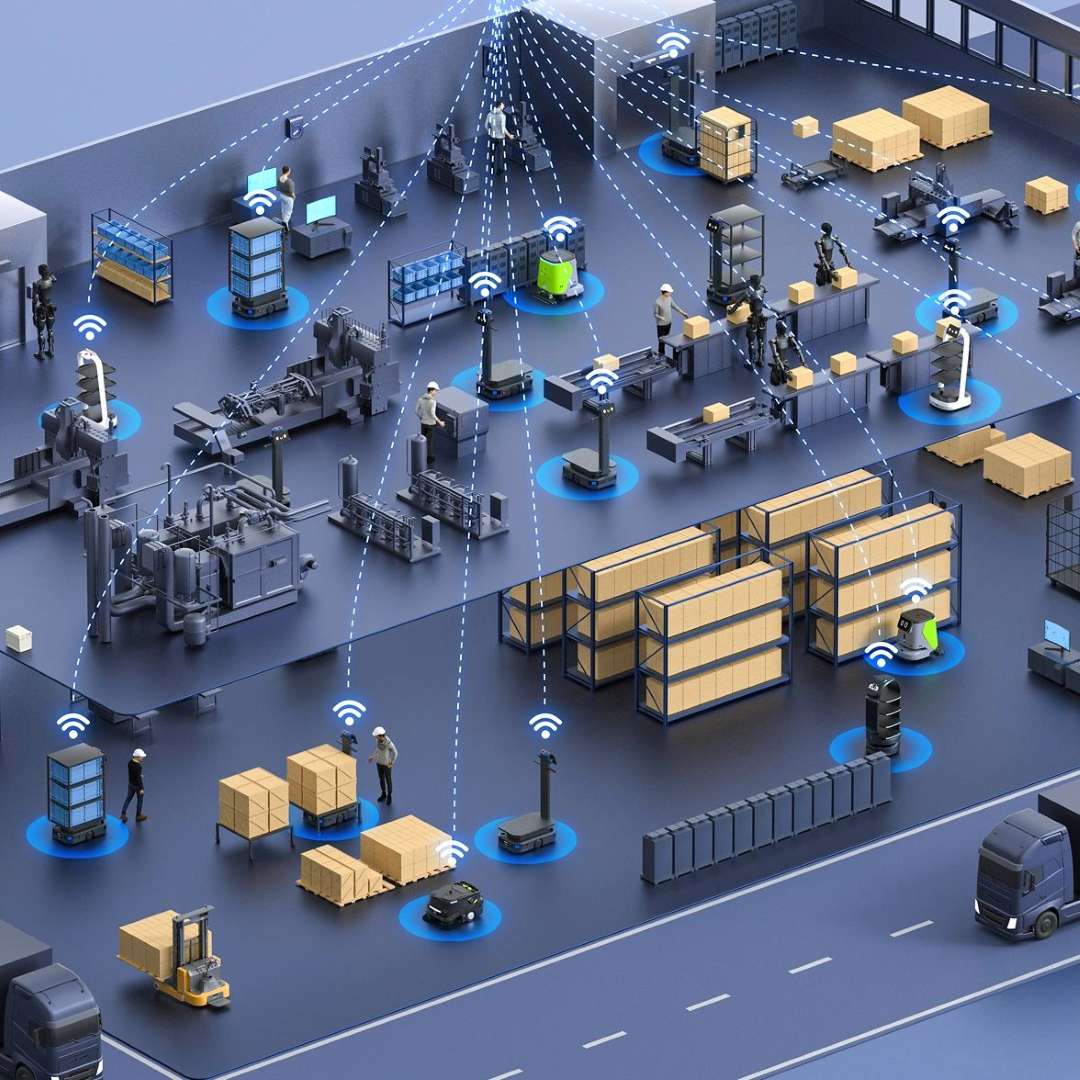
Enterprise sites running dozens of T600 units need a communications layer that stays reliable at scale. On-premises server deployment keeps scheduling logic, facility maps, and telemetry inside the facility's own network rather than routing through public cloud services — useful for IP-sensitive manufacturing sites or locations with unreliable external connectivity. The PUDU Link mobile app covers task assignment, fleet status, and alerts from anywhere on the facility WiFi.
The overview below represents a large multi-robot deployment, with T600 units and other AMRs connected through one WiFi mesh.
24/7 Operations: Battery, Charging & Runtime Planning
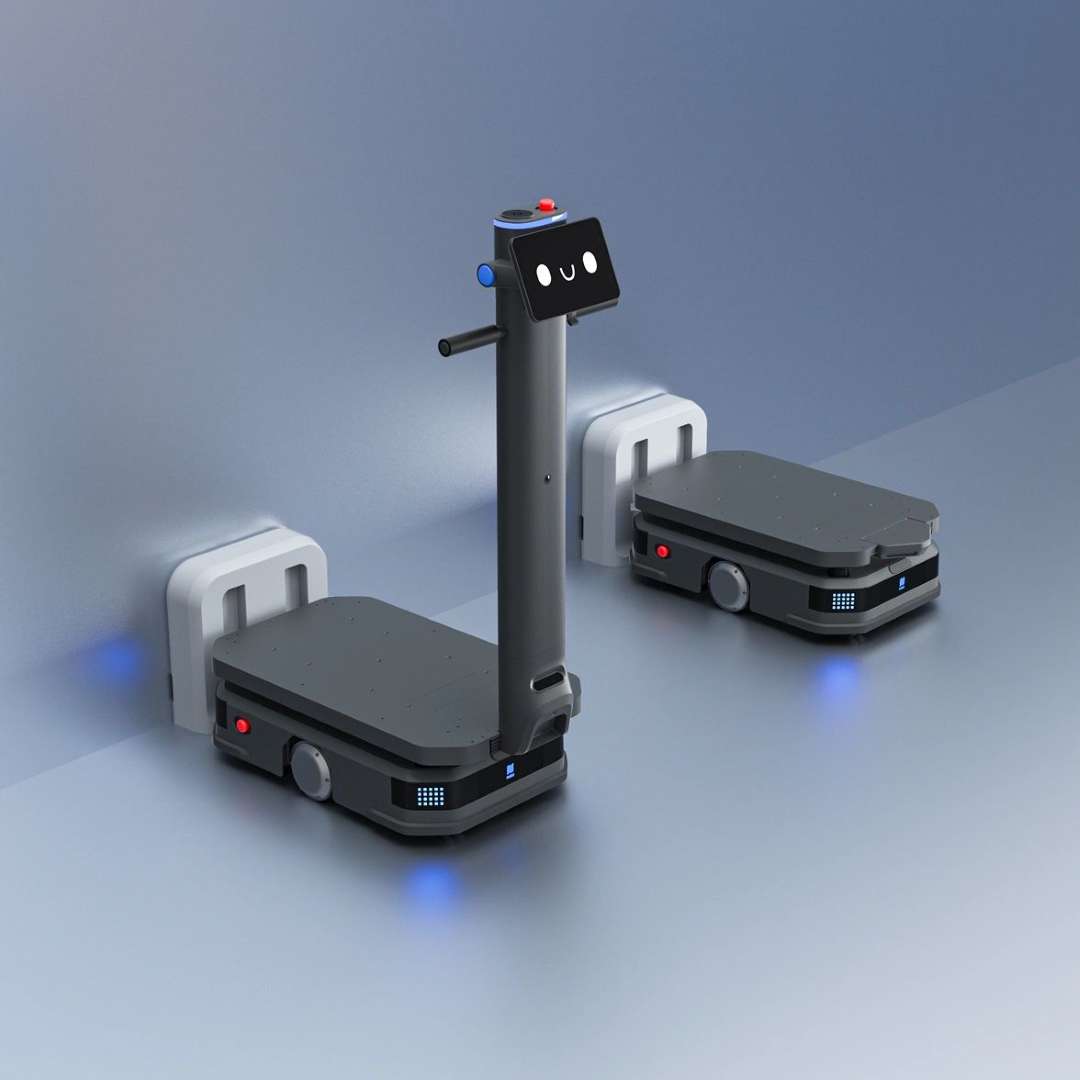
The 30 Ah lithium-ion battery is rated for industrial deep-cycle use. Runtime reaches 12 hours at no load and 6 hours at the 600 kg payload ceiling — enough for a full standard shift at maximum capacity. The 2-hour fast-charge cycle (0% to 90%) supports a recharge-between-shifts pattern for three-shift sites.
The docking sequence below shows both configurations returning to their charging stations without any manual battery handling.
- 30 Ah lithium-ion battery — no memory effect, rated for industrial deep-cycling.
- Automatic dock charging: the robot navigates to the charging pile once battery level drops below threshold.
- Manual hot-swap: battery replacement in about 60 seconds with power maintained (Advanced Settings).
- Storage guidance: charge to 30–50% before storage periods exceeding 15 days.
- Operating temperature: 0 °C to 40 °C; short-term storage up to 60 °C.
Applications
- Warehouse and distribution centers: handles high-volume bin and pallet transfers across wide aisles, replacing repeated manual trolley runs.
- Manufacturing floors: moves raw materials and work-in-progress between production cells without dedicated forklift trips.
- Multi-story facilities: completes cross-floor deliveries through direct elevator IoT integration, with no staff needed to call or hold a car.
- High-density shelving operations: the Underride version lifts entire rack units for goods-to-person picking without manual rack handling.
- Mixed human-robot work zones: the ground safety projector and 10.1-inch touchscreen keep the Standard version approachable around foot traffic.
- Multi-shift and continuous operations: automatic dock charging and hot-swap batteries support scheduling across three-shift or 24/7 sites.
Technical specifications of the PUDU T600
Mechanical
| Parameter | Value |
| Dimensions — Standard Version | 960 × 500 × 1350 mm |
| Dimensions — Underride Version | 845 × 500 × 255 mm |
| Weight — Standard Version | 112 kg (246.92 lbs) |
| Weight — Underride Version | 94 kg (207.23 lbs) |
| Maximum Payload | 600 kg (1,322.77 lbs) |
| Max. Obstacle Height (Surmountable) | 10 mm (0.39 inch) |
| Max. Surmountable Gap | 35 mm (1.38 inches) |
| Minimum Passability — Standard | 70 cm (27.6 in) |
| Minimum Passability — Underride | 65 cm (25.6 in) |
Power & Electrical
| Parameter | Value |
| Operating Voltage | DC 20.8 V ~ 29.2 V |
| Battery Capacity | 30 Ah |
| Charging Time | Approx. 2 h (0% to 90%) |
| Battery Life — No Load | 12 h |
| Battery Life — Max. Load | 6 h |
Navigation & Mobility
| Parameter | Value |
| Navigation Method — Standard | Visual-SLAM + Laser-SLAM (VSLAM + LiDAR SLAM) |
| Navigation Method — Underride | Laser-SLAM (LiDAR SLAM) only |
| Cruise Speed | 0.2–1.2 m/s (adjustable) |
Environment & Interface
| Parameter | Value |
| Operating Temperature | 0 °C ~ 40 °C |
| Operating Altitude | < 2,000 m (6,561.68 ft) |
| Operating Surface | Dry, flat indoor surfaces |
| Touchscreen (Standard only) | 10.1-inch LCD |
| Fleet Communication Protocol | VDA5050 |
| IoT Integrations | Elevator control, E-gate control, Pager system, PUDU Link app |
| Server Deployment | On-premises (local server / private cloud) |
Why buy the PUDU T600 from EXPERT3D?
EXPERT3D supplies professional 3D equipment since 2012. Our team offers pre-sales consultation to match the Standard or Underride configuration to your facility layout, plus fleet-scheduler integration guidance for VDA5050-compliant systems. Every unit ships with an official warranty and authorized after-sales service, backed by operator training and post-sale technical support. Financing options are available for multi-robot fleet deployments, with delivery available across Spain and the EU. As an official representative of PUDU, we guarantee 100% authenticity, fair pricing, authorized service, and an official warranty.