- Stock: In Stock
- Product code: 920372000001144139
- Weight Brutto: 95.00kg
- SKU: 10080-000037

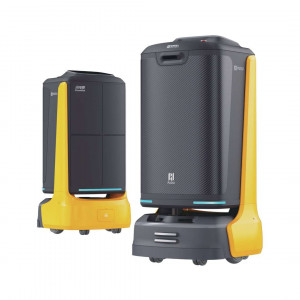
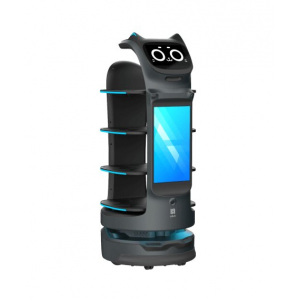
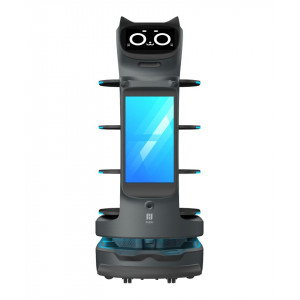
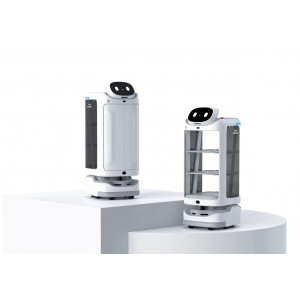
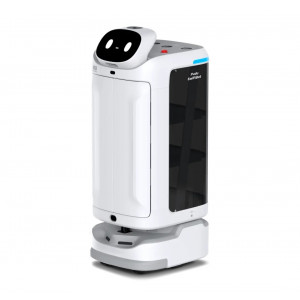
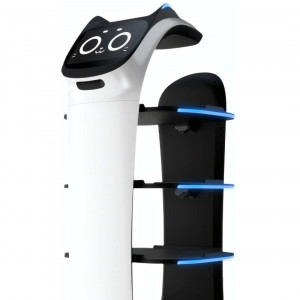
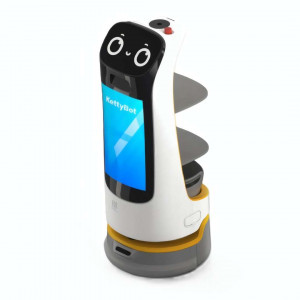
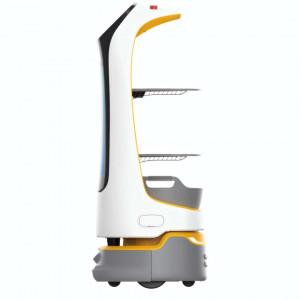
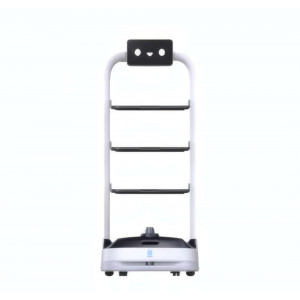
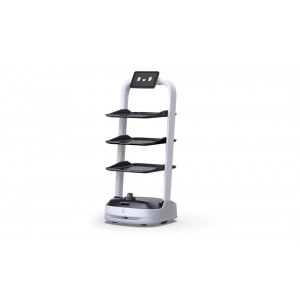
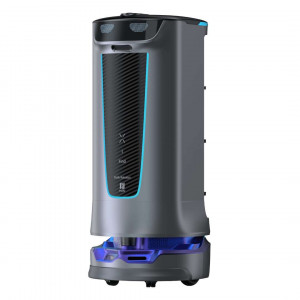
PUDU FlashBot is an autonomous delivery robot designed for multi-floor hotel and office deliveries. It calls and rides building elevators through IoT integration, removing the need for a staff escort. Modular lockable compartments and LiDAR-based navigation let it move safely through crowded lobbies and corridors.
| Specification | Why it matters |
|---|---|
| Payload Capacity: 30 kg (15 kg per tray) | Splits large orders across compartments, so one run can cover several rooms without overloading a single tray. |
| Battery Life: 12 h per charge | Covers a full shift of continuous delivery runs before an auto-recharge cycle is needed. |
| Cruise Speed: 0.5–1.5 m/s (adjustable) | Lets operators tune pace to match busy lobbies or open corridors without reprogramming routes. |
| Navigation: PUDU SLAM + VSLAM+ / LiDAR + dual RGBD | Combines several sensor types, keeping positioning accurate even in crowded, low-light corridors. |
- IoT elevator integration: The robot calls, boards, and exits lifts on its own, so deliveries reach any floor without a staff member riding along.
- Independent compartment locking: Only the bay assigned to a destination unlocks, letting one multi-drop run serve several rooms without mixing orders.
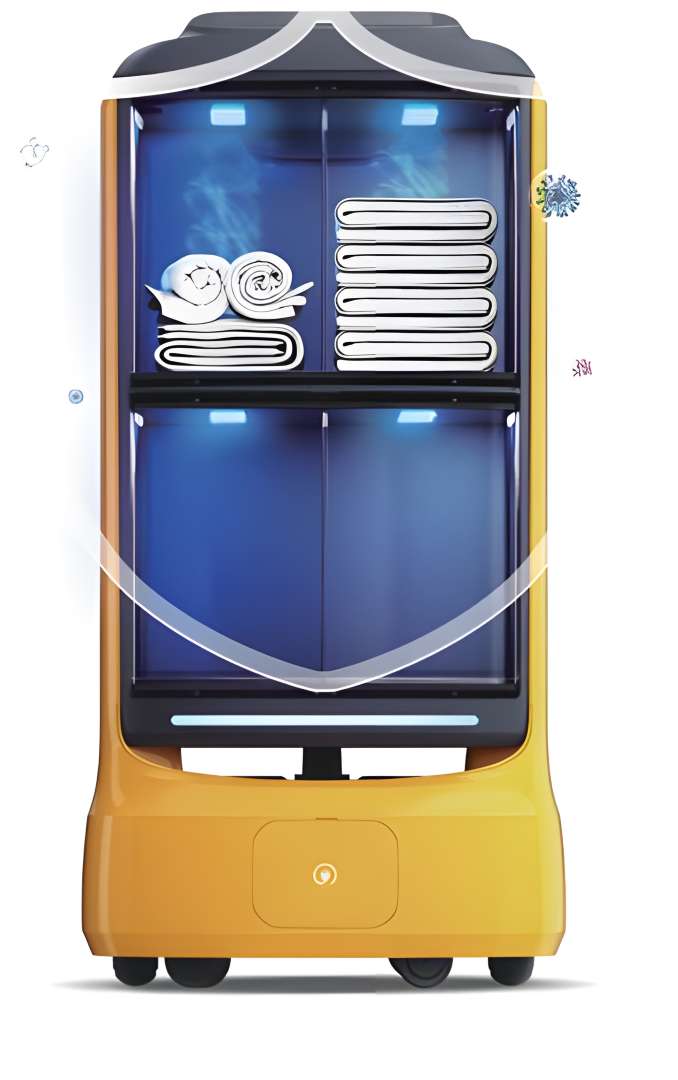
- UV self-disinfection: Built-in UV lamps sanitise each bay between drops, keeping room-service items hygienic without extra staff handling.
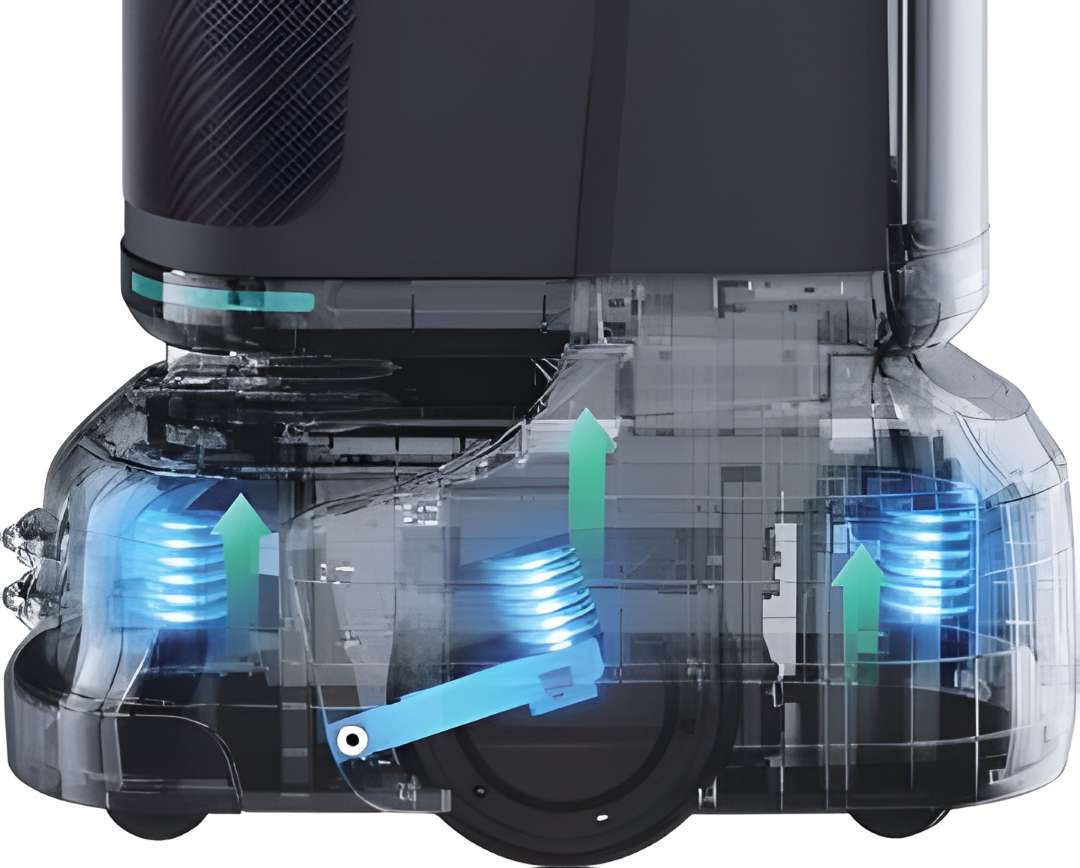
- Independent wheel suspension: Coil-spring suspension at each wheel keeps trays level across thresholds and carpet-to-tile transitions, protecting fragile items like glassware.
Built for Vertical Buildings: Hotels, Offices, and Towers
Most delivery robots stop at the lobby doors, but the FlashBot travels between floors on its own. Fused PUDU SLAM and VSLAM+ positioning, together with IoT-linked building systems, let the chassis handle hotel corridors, marble lobbies, and carpeted guest floors. Deliveries of room-service items, parcels, and amenities move without a human escort at any stage.
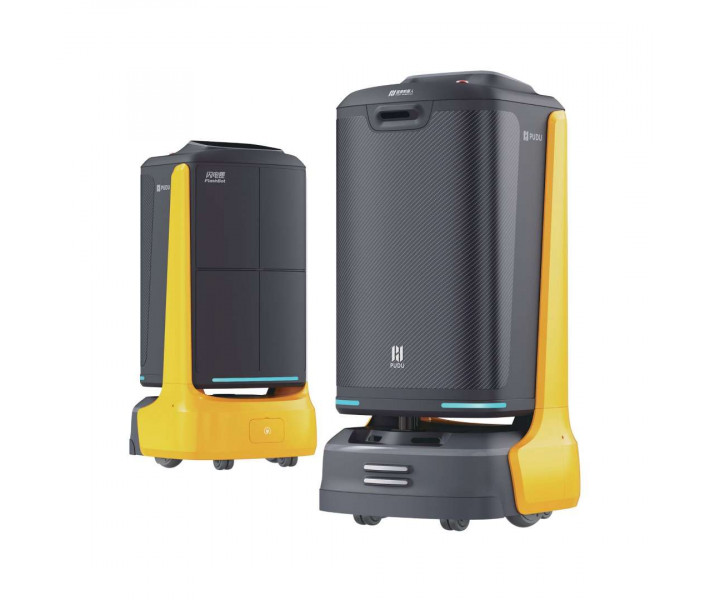
The paired studio view below highlights the robot's carbon-weave body and yellow side panels, a design built on an aluminium-alloy and engineering-plastic frame.
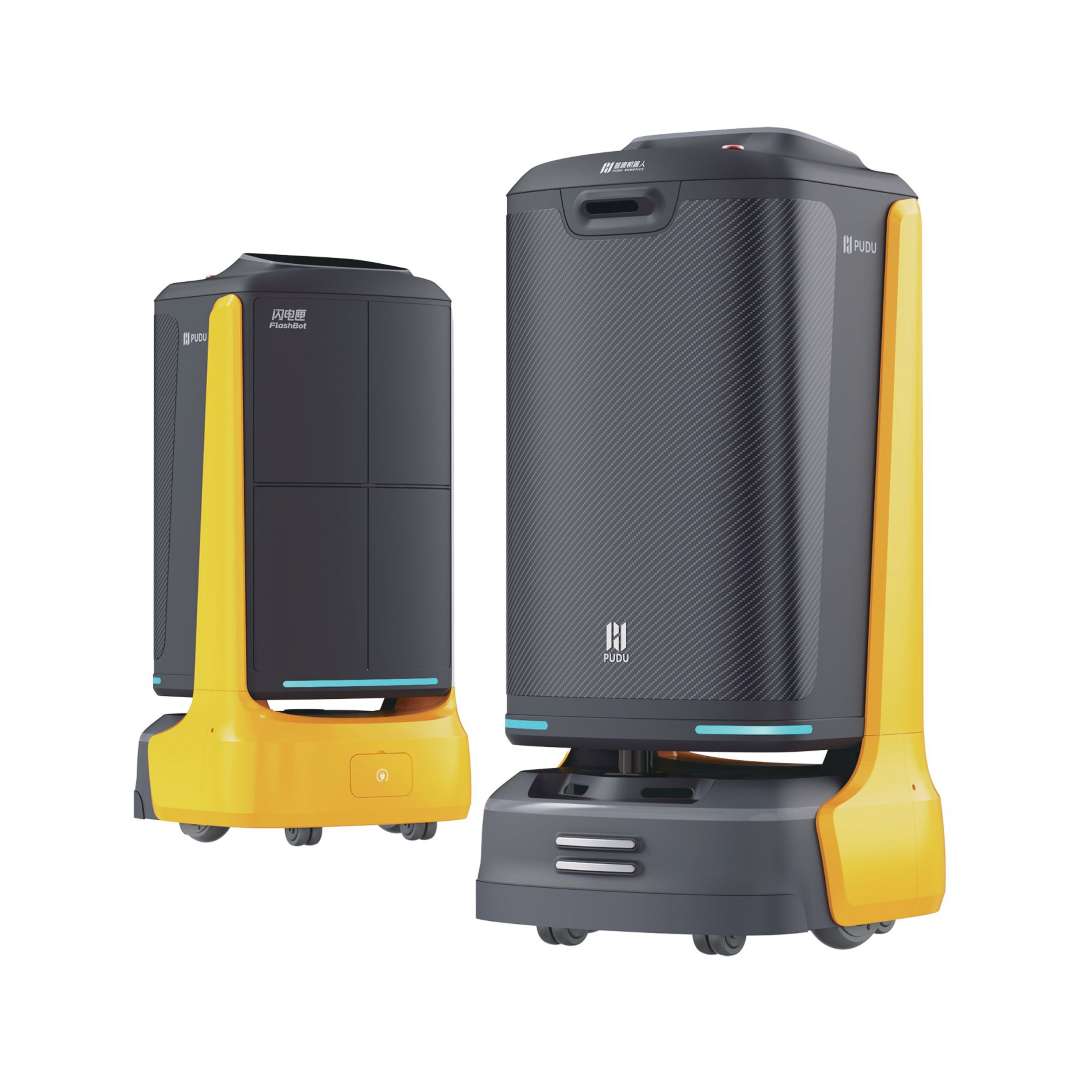
In hospitality settings, the robot's design language fits naturally into premium interiors rather than reading like a warehouse machine.
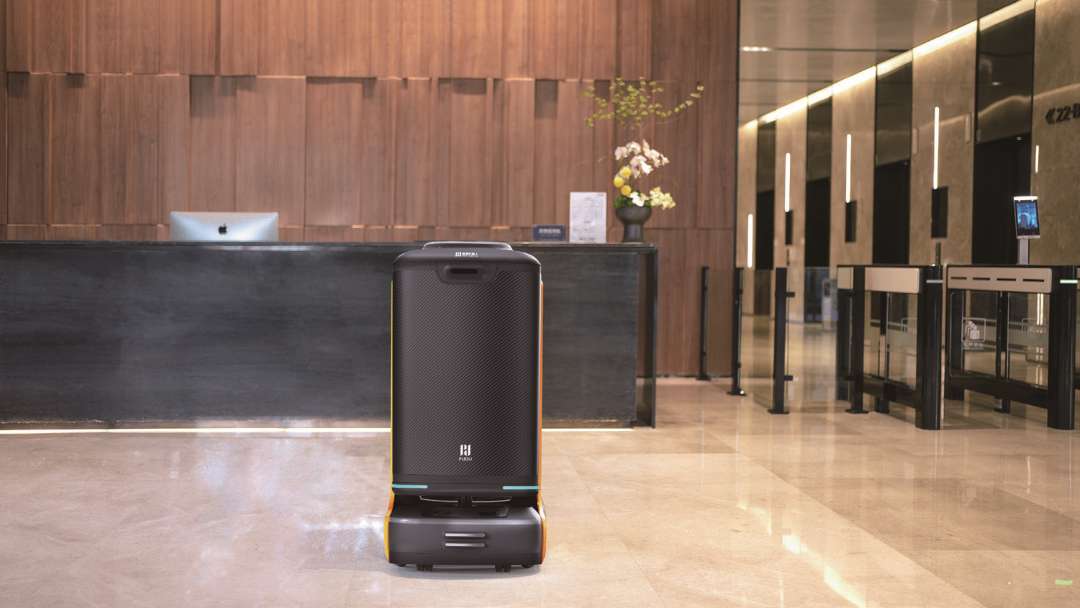
Autonomous Elevator Navigation via IoT
The core technical differentiator is the FlashBot's ability to call, board, ride, and exit elevators without human intervention. A cloud-based IoT connection lets it communicate directly with elevator control systems: it dispatches a car, waits for the doors, selects the destination floor, and exits at the right corridor. The same IoT layer links to phone systems and access control, turning the robot into a central node of a digitally managed building network.
The corridor photograph below captures the robot approaching an elevator bank, its indicator strip glowing as it nears the call point.
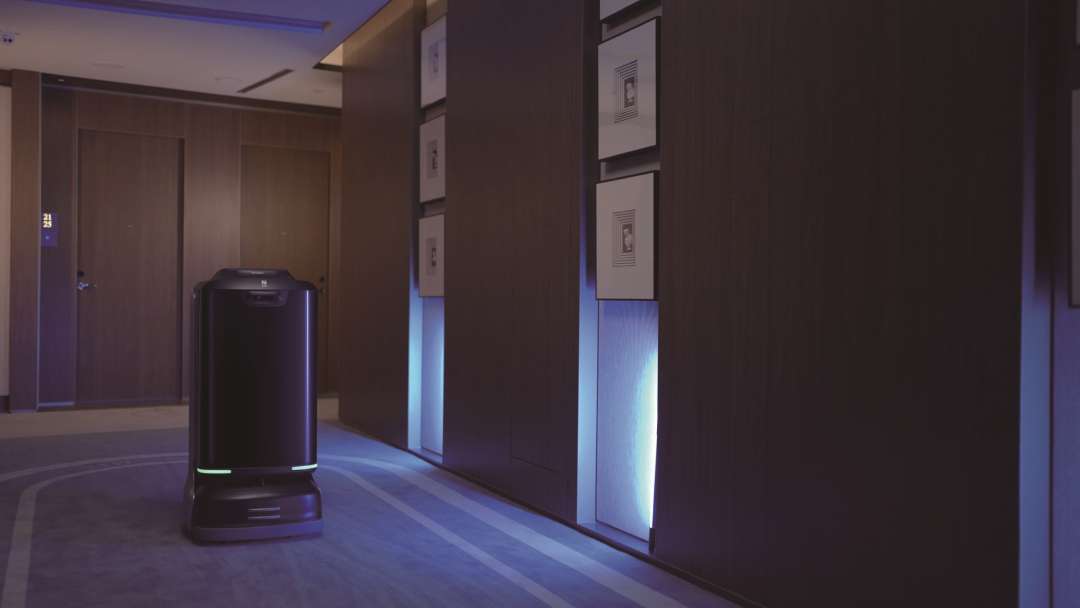
Security Turnstile and Access Control Integration
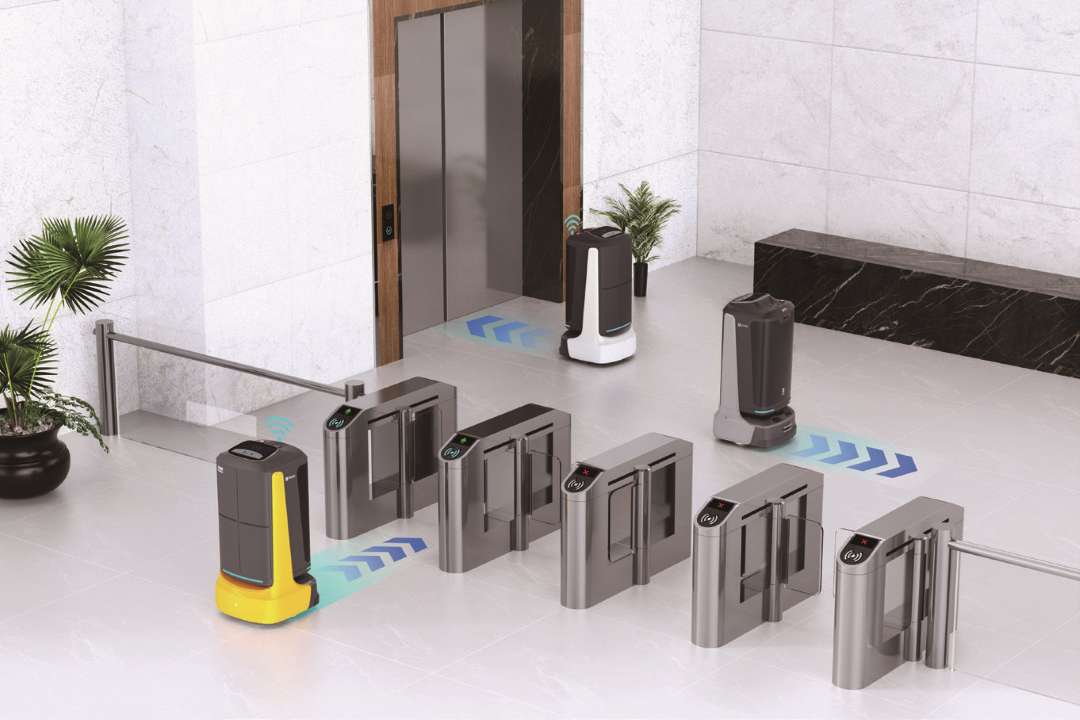
In gated office lobbies, the IoT module extends to security turnstiles. This "Internet of Everything" architecture lets the FlashBot move fluidly across reception, security checkpoints, and floor corridors without requiring staff to override access controls.
The lobby scene below shows several PUDU robots, including a FlashBot, passing through flap-barrier turnstiles on their way to a waiting elevator.
Modular Compartment System: 2–4 Bays, Up to 30 kg Payload
The storage architecture is configurable: the body supports 2 to 4 lockable compartment bays, each with a single-tray interior of 219 × 410 × 286 mm, or a double-width layout of 438 × 410 × 286 mm using a removable partition. Maximum total payload is 30 kg, with each tray rated for 15 kg. White interior lamps illuminate the contents, and a UV lamp per bay runs autonomous disinfection during delivery and standby. Each bay is addressed independently — the robot opens only the compartment matching the recipient's destination, so a single run can serve several rooms as a parallel delivery event rather than a sequence of separate trips.
Independent Suspension for Smooth Threshold Crossings
An upgraded independent suspension sits at each wheel position, keeping the load platform level as the robot crosses floor obstacles up to 20 mm high and gaps up to 35 mm wide. That stability matters for fragile amenities — a glass of water or a folded towel stays upright across door thresholds and carpet-to-tile transitions.
The transparent chassis render below exposes the coil-spring suspension units at each wheel and the articulated drive linkage at the centre.
Guest Interaction: Greeting and Escort Modes
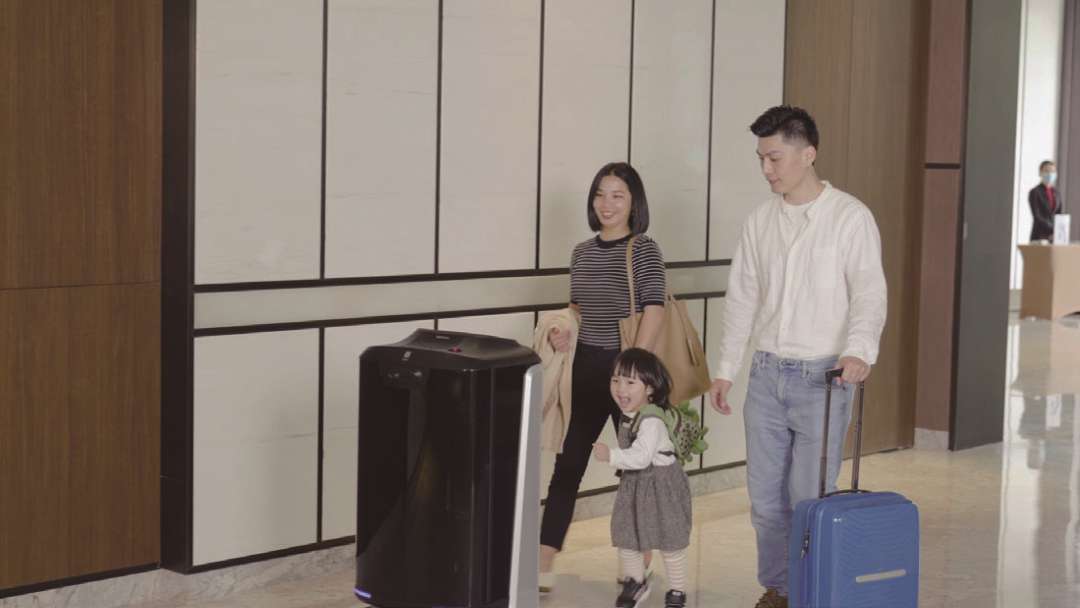
Beyond pure delivery, the FlashBot runs two guest-facing modes. In greeting mode it interacts by voice, offers check-in guidance with optimal path planning, and can escort visitors to a floor or room; in escort mode it leads guests through the building at a comfortable pace, adjusting its route around crowds. A 10.1-inch LCD screen and a 10 W stereo speaker carry announcements, directional cues, and brand messaging, making the robot a customer touchpoint as well as a logistics tool.
The scene below shows a family with a child and rolling luggage interacting naturally with the robot as it passes through a bright lobby.
UV Compartment Sterilisation
Each compartment bay carries a UV lamp operating in the 260–280 nm germicidal wavelength range. The disinfection cycle runs automatically during delivery and standby once activated in the settings interface, giving a hygienic handoff from housekeeping to guest room without contact handling.
The photograph below shows both compartment tiers open and lit by UV light, with folded towels and linens visible inside.
Last-Mile Precision: Door-Level Delivery
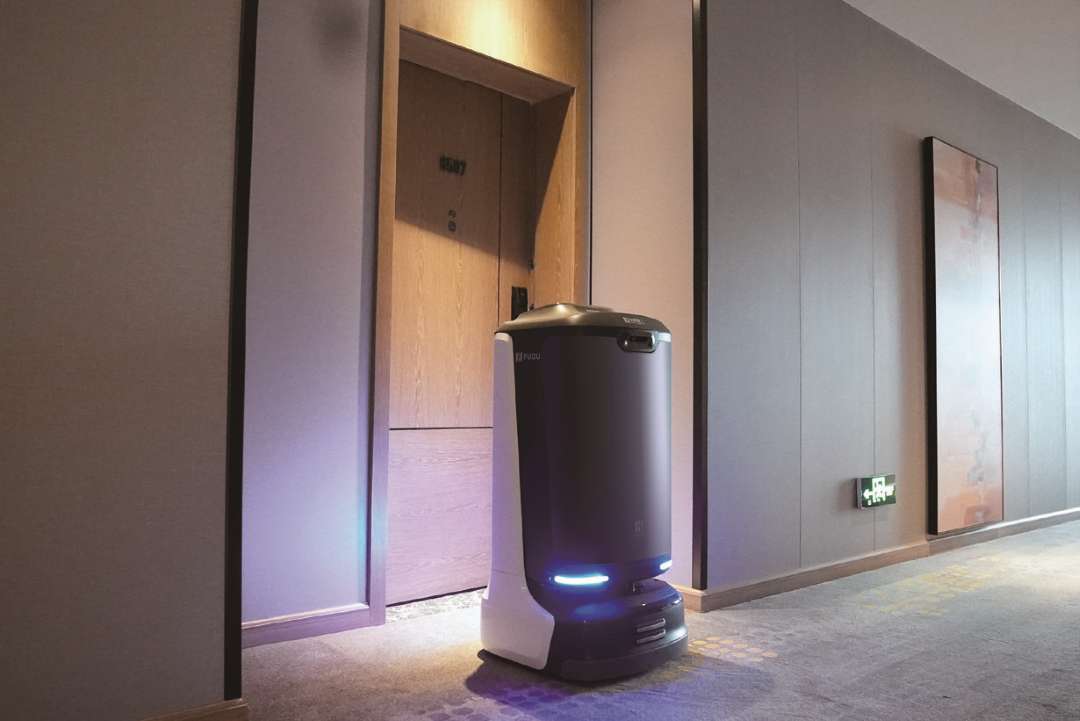
The FlashBot's routing logic takes it to the specific door matching a compartment's destination, not just the floor. Only the compartment assigned to that room unlocks on arrival; every other bay stays sealed, which prevents cross-contamination between deliveries and protects guest privacy on multi-drop runs.
The photograph below shows the robot waiting outside a numbered room door, its indicator ring lit, ready to notify the guest through the in-room phone system.
Build Quality and Visual Identity
The enclosure pairs high-quality industrial plastic panels with an aviation-grade aluminium alloy frame, keeping weight manageable at 55 kg while giving the impact resistance needed for daily operation in busy lobbies and corridors. The yellow side accents and carbon-weave panel make the robot instantly identifiable as a service presence rather than an obstacle.
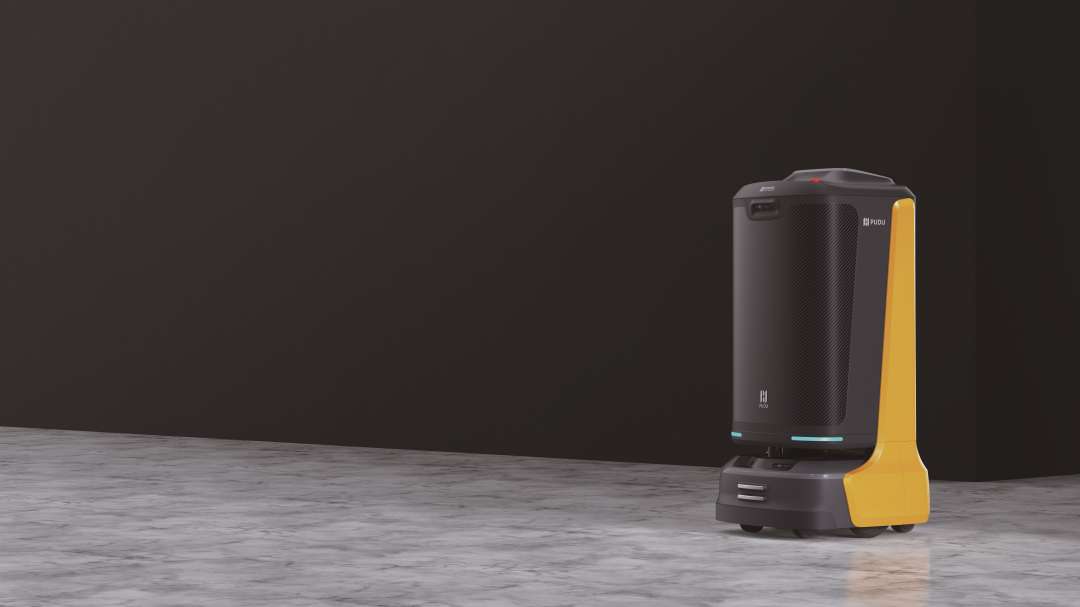
The product study below isolates the design, making the side-pillar architecture, LiDAR aperture, dual RGBD camera positions, and indicator strip clearly visible.
Applications
- Hotels and resorts: Handles room-service deliveries, amenity requests, and in-house takeaway orders floor-to-floor without a staff escort, freeing front-of-house teams for guest-facing tasks.
- Corporate office towers: Moves documents, mail, and small packages between departments across multiple floors, including through security turnstiles in gated lobbies.
- Multi-tenant office buildings: Consolidates deliveries from several tenants into one multi-drop run, using independent compartment locking to keep each recipient's items separate.
- Serviced apartments and residential towers: Delivers parcels and linen directly to unit doors, with UV disinfection running automatically between drops.
- Conference and events venues: Escorts visitors to meeting rooms or exhibition floors using its guest-interaction mode alongside standard delivery runs.
What's in the Box
- PUDU FlashBot robot (fully assembled)
- Charger
- Charging cable
- User manual
- Certificate of compliance
- Power key
- Charging station (optional)
- Phone system integration module (optional)
- Elevator IoT control system (optional)
Technical specifications of the PUDU FlashBot
Mechanical Dimensions
| Parameter | Value |
| Machine Dimensions (L × W × H) | 539 × 515 × 1050 mm |
| Machine Weight | 55 kg |
| Enclosure Material | High-quality industrial plastic + aviation-grade aluminium alloy |
Payload and Compartments
| Parameter | Value |
| Maximum Payload | 30 kg (15 kg per tray) |
| Number of Compartments | 2–4 (adjustable) |
| Single Compartment Dimensions (W × D × H) | 219 × 410 × 286 mm |
| Double Compartment Dimensions (W × D × H) | 438 × 410 × 286 mm |
Navigation and Positioning
| Parameter | Value |
| Positioning Method | PUDU SLAM + PUDU VSLAM+ |
| Sensors | LiDAR + upward RGBD camera + downward RGBD camera |
| Maximum Obstacle Avoidance Distance | 3 m |
| Braking Distance | 0.6 m |
| Minimum Surmountable Speed | Zero-speed surmountable |
Mobility and Terrain
| Parameter | Value |
| Cruise Speed | 0.5–1.5 m/s (adjustable) |
| Minimum Travel Width Required | 70 cm |
| Minimum Turning Width Required | 75 cm |
| Maximum Surmountable Obstacle Height | 20 mm |
| Maximum Surmountable Gap | 35 mm |
| Maximum Climbing Angle | 8° |
| Suspension System | Upgraded independent suspension |
Battery and Power
| Parameter | Value |
| Battery Capacity | 15.6 Ah / 396.396 Wh |
| Battery Life | 12 h |
| Charging Time | 4.5 h |
| Charging Mode | Auto-charging (charging station), Manual (charger cable) |
| Charger Power Input | 100–240 V |
| Charger Power Output | 29.4 V, 3.5 A |
| Operating Voltage | 25.41 V |
Sensors and Interaction
| Parameter | Value |
| UV Sterilisation Wavelength | 260–280 nm |
| Speaker Power | 10 W stereo (4Ω) |
| Screen | 10.1-inch LCD touchscreen |
| E-Skin | Available (advanced configuration) |
Connectivity
| Parameter | Value |
| WiFi | 2.4 G (2.400–2.497 GHz), 5 G (4.900–5.845 GHz) |
| Bluetooth | 2402–2480 MHz |
| 4G LTE Bands | B1/B2/B4/B5/B6/B7/B8/B12/B13/B18/B19/B20/B25/B26/B28/B66/B34/B38/B39/B40/B41 |
| IoT Integration | Elevator control, phone systems, access control |
Environmental
| Parameter | Value |
| Working Temperature | 0 °C to 40 °C |
| Storage Temperature | 0 °C to 60 °C |
| Operating Surface | Indoor flat surfaces: wood floors, ceramic tiles, thin carpets |
Why buy the PUDU FlashBot from EXPERT3D?
EXPERT3D has specialised in advanced robotics and smart building technology since 2012. As an official representative of PUDU, we guarantee 100% authenticity, a fair price, authorised service, and an official warranty. Our team provides expert pre-sales consultation to help configure compartment layout and IoT elevator integration for your building, on-site deployment coordination, and post-sale support with operator training. The FlashBot is available with delivery across Spain and the wider EU, backed by financing options and direct manufacturer contact for spare parts and technical follow-up. Contact us to discuss your building configuration, fleet size, and current unit availability.