

- Stock: In Stock
- Product code:
- Weight Brutto: 10.50kg
- SKU: PD-FS-P12T-10-01

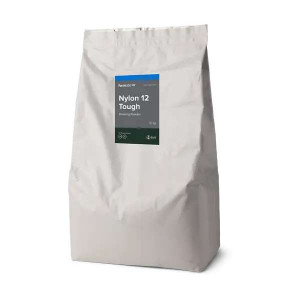
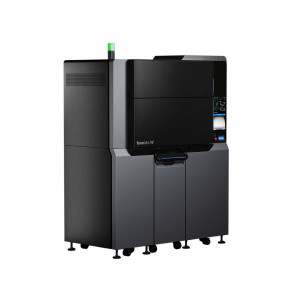
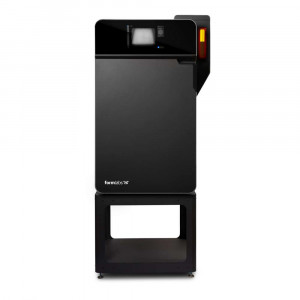
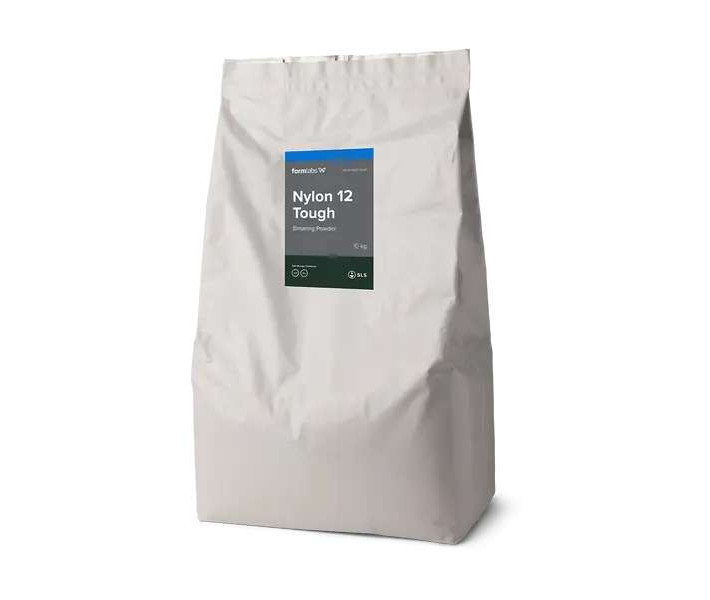
Formlabs Nylon 12 Tough Powder is an SLS nylon material engineered for high-ductility functional prototyping and end-use production on the Fuse 1+ 30W. It achieves 42 MPa tensile strength alongside 25% elongation at break in the X/Y plane — over 50% more ductile than standard Nylon 12. The 20% recommended refresh rate, the lowest among Formlabs nylon powders, allows up to 80% of unsintered powder to be reused per build.
| Specification | Why it matters |
|---|---|
| Elongation at Break (X/Y): 25% | Flexes and absorbs impact before failure — enables snap-fits, ratchets, and hinges that survive repeated actuation. |
| Ultimate Tensile Strength: 42 MPa | Structural integrity for end-use loads without brittleness — no trade-off between strength and compliance. |
| Recommended Refresh Rate: 20% fresh powder | Up to 80% powder reuse per build directly lowers cost per part in continuous production workflows. |
| Biocompatibility: ISO 10993 evaluated | Non-cytotoxic, non-irritant, and non-sensitizer results expand the range of viable end-use and skin-contact applications. |
This material fills a mechanically and commercially distinct position between standard Nylon 12 and Nylon 11. The 1,450 MPa tensile modulus provides structural rigidity; the 60 J/m notched Izod impact strength confirms toughness under sudden loading. For production teams on the Fuse 1+ 30W, the 20% refresh rate is the most commercially compelling figure in the Formlabs nylon portfolio — it makes this the most material-efficient nylon option available for the platform.
Nylon 12 Tough Powder — Mechanical Performance
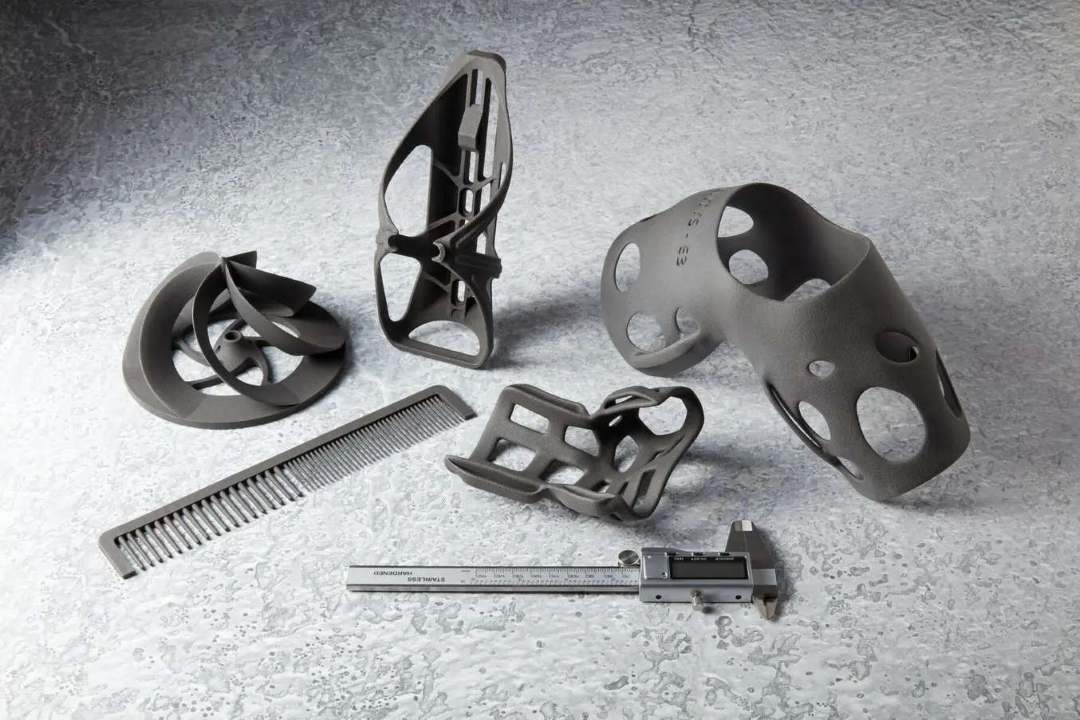
Standard Nylon 12 breaks where this material bends. The 25% elongation at break in the X/Y plane and 15% along the Z-axis allow parts to absorb shock and flex through repeated cycles before failure. The 1,450 MPa tensile modulus keeps geometry stiff enough for structural assemblies, while still providing the compliance that snap-fits, ratchets, and compliant mechanisms demand.
Refresh Rate and Cost per Part
The 20% recommended refresh rate is the lowest among Formlabs nylon powders. Up to 80% of each build's unsintered powder feeds directly into the next cartridge. Lower material waste translates directly into a lower cost per part — a concrete economic advantage for high-volume prototyping teams and continuous production workflows.
Dimensional Accuracy and Warpage Reduction
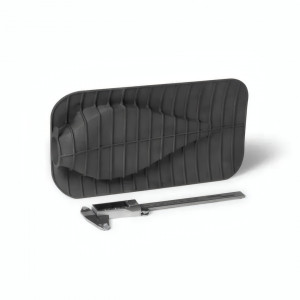
Warpage is the primary failure mode for long, flat SLS parts oriented along the Z-axis. Nylon 12 Tough's formulation achieves significantly reduced warpage across the full build chamber of the Fuse 1+ 30W. Parts emerge from the powder cake straight and true. A flexural modulus of 1,100 MPa and flexural strength of 42 MPa confirm that parts hold their geometry under load in service.
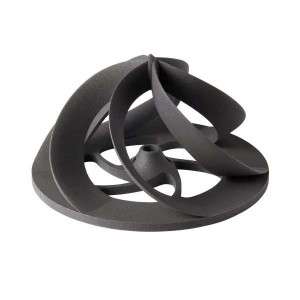
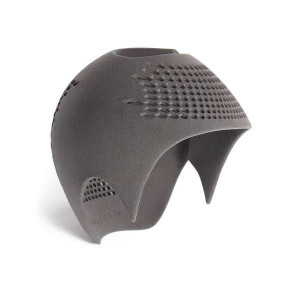
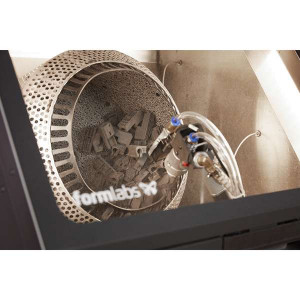
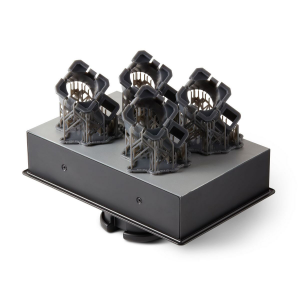
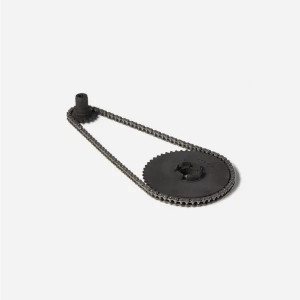
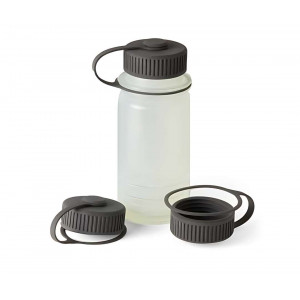
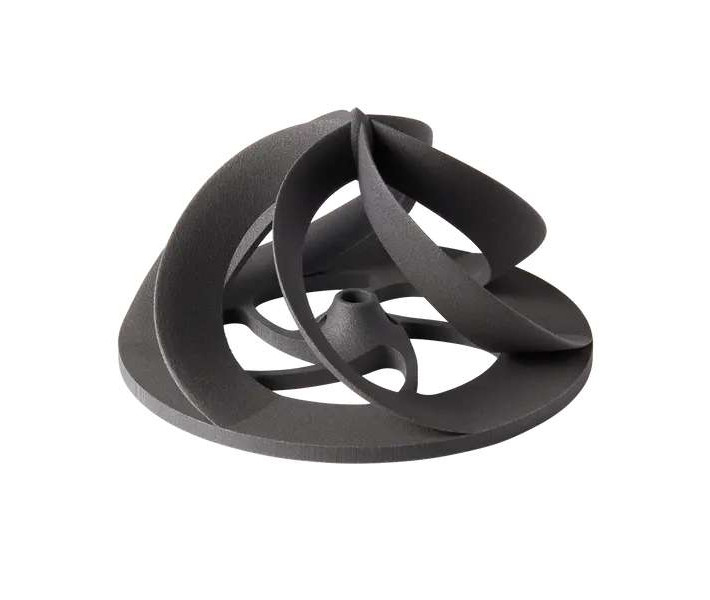
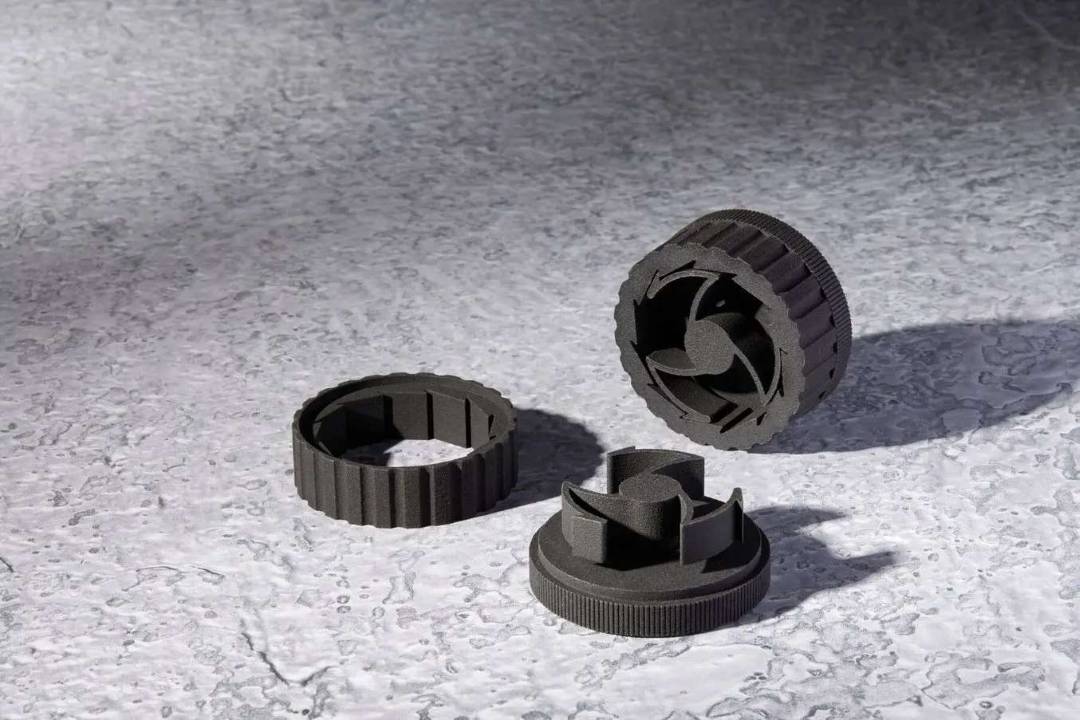
The gear ring components shown here demonstrate the complex internal geometry achievable with this material.
Biocompatibility and Chemical Resistance
Parts printed in Nylon 12 Tough Powder have been evaluated to ISO 10993 standards at NAMSA World Headquarters (OH, USA). Results confirm no systemic toxicity (ISO 10993-11), not cytotoxic (ISO 10993-5), not an irritant (ISO 10993-23), not a sensitizer (ISO 10993-10), and nonpyrogenic (ISO 10993-11). It remains the manufacturer's responsibility to validate printed parts for specific intended uses.
Chemical resistance testing shows water absorption of only 0.30% after 24 hours (ASTM D570). Weight gain remains below 1% in diesel fuel, hydraulic oil, and mineral oils, confirming stability in common industrial environments. Full solvent compatibility data appears in the Technical Specifications below.
Outdoor Durability
Outdoor aging tests by Applied Technical Services (ATS), an independent certified laboratory, used ASTM D4329-21 Cycle A — a Xenon arc weathering protocol simulating the full solar spectrum with moisture cycles. Mechanical properties remain within acceptable ranges through extended UV exposure, confirming suitability for applications with moderate outdoor exposure requirements.
First Use — Powder Aging Procedure
Nylon 12 Tough Powder requires a one-time aging process before the first print. This creates the recycled powder fraction required for consistent sintering. Skipping this step significantly increases the risk of print failures and surface defects.
Step 1 — Update firmware and PreForm. Ensure the Fuse 1+ 30W firmware is up to date, then update PreForm to its latest version before proceeding.
Step 2 — Fill the hopper. Fill the printer hopper to the 10 L mark, equivalent to approximately 6 kg of fresh powder.
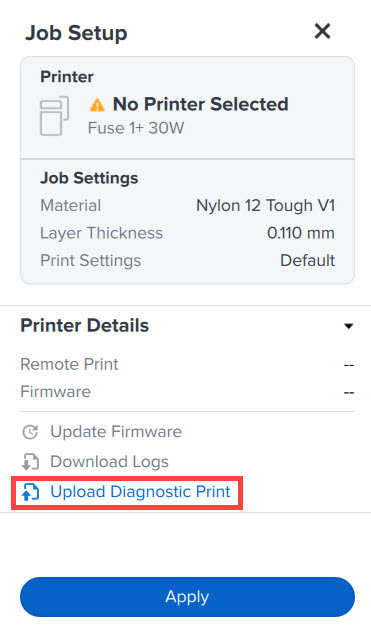
Step 3 — Download and upload the aging FLZ file. Download the official Nylon 12 Tough Aging FLZ diagnostic print file from Formlabs. In PreForm, select your printer, click Upload Diagnostic Print in the right sidebar, browse to the FLZ file, and click OK to send it to the printer.
Step 4 — Run the aging print. Start the print from the printer touchscreen. The aging job takes approximately 13 hours to complete on a Fuse 1+ 30W.
Step 5 — Extract and sieve the powder. Extract the powder cake using the Fuse Sift or Fuse Depowdering Kit. Powder may be stiff or clumped — sieve thoroughly before filling a cartridge.
Step 6 — Fill cartridge and begin printing. Fill a powder cartridge with a blend of fresh and aged powder following Formlabs' recommended refresh rate guidance. Insert the cartridge and begin your first production print.
Expert note: Bed temperature tuning must be completed on each individual printer — even identical machines in the same room may require different offset values. When switching from a lower-temperature material such as Polypropylene, replace the print bed assembly before the first Nylon 12 Tough build to prevent residual material from causing bed adhesion failures.
Inter-Print Cleaning Procedure
Nylon 12 Tough produces more powder residue and an oily byproduct compared to standard Nylon 12. Thorough cleaning between prints prevents failures in subsequent jobs.
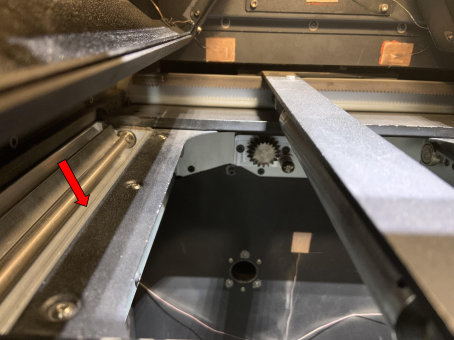
Step 1 — Vacuum the top of the print enclosure. Powder accumulates on the runways at the top of the build chamber. Vacuum this area after each print to prevent fused powder from entering subsequent builds.
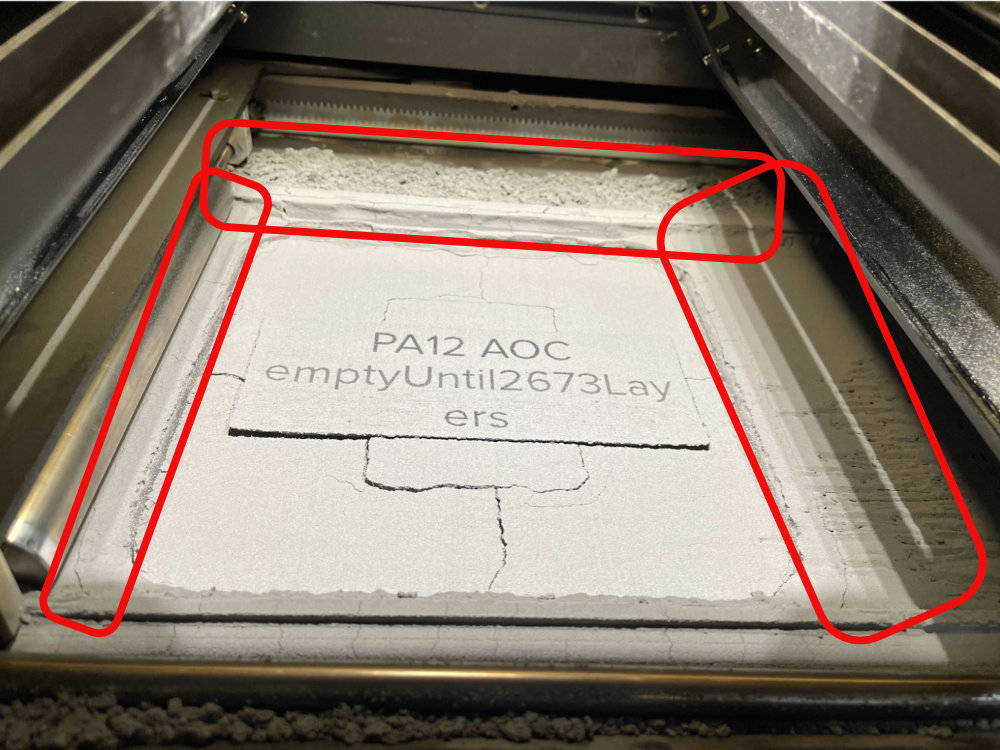
Step 2 — Vacuum both powder troughs. Using a compliant static-dissipative vacuum, clear all powder from both troughs and the recoater's path. Use the flipper motor controls from the touchscreen Maintenance menu to dislodge compacted powder from hard-to-reach trough areas.
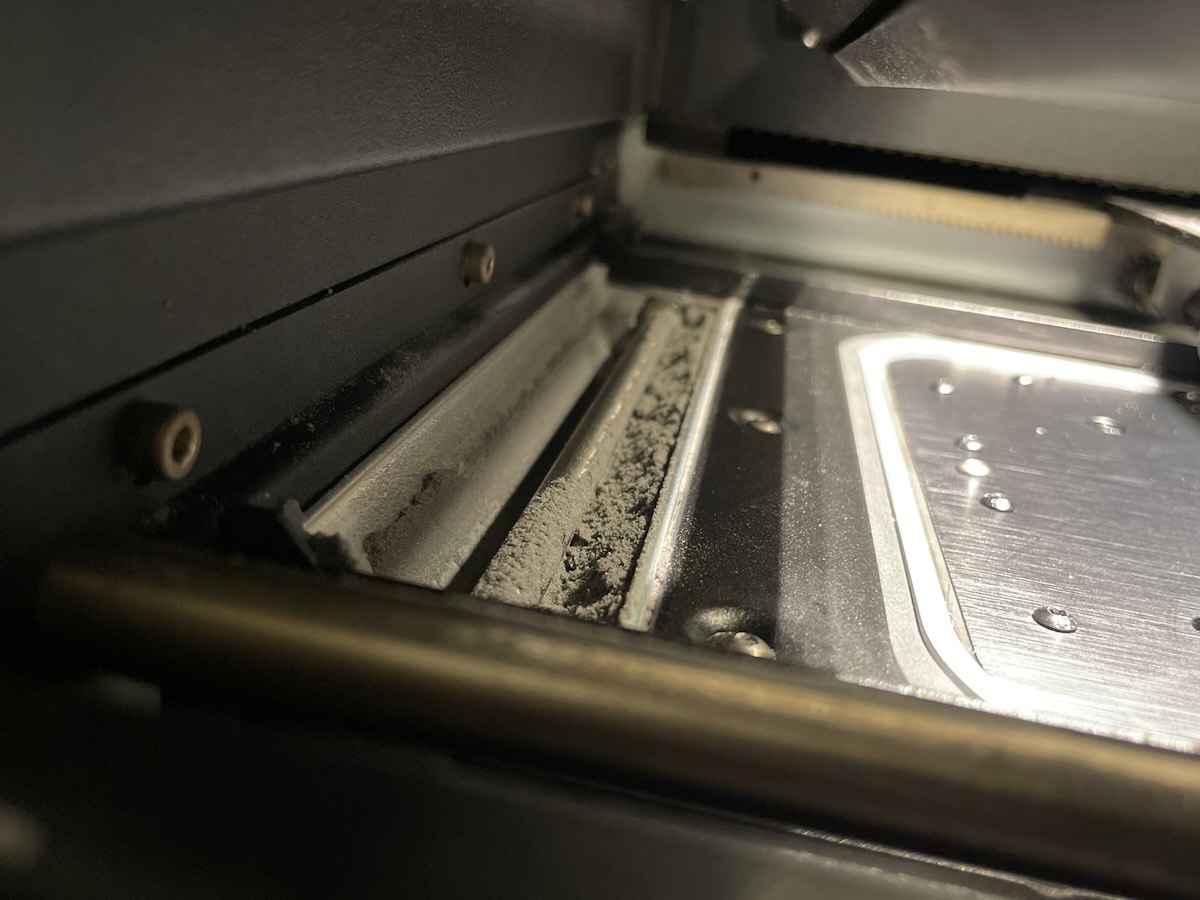
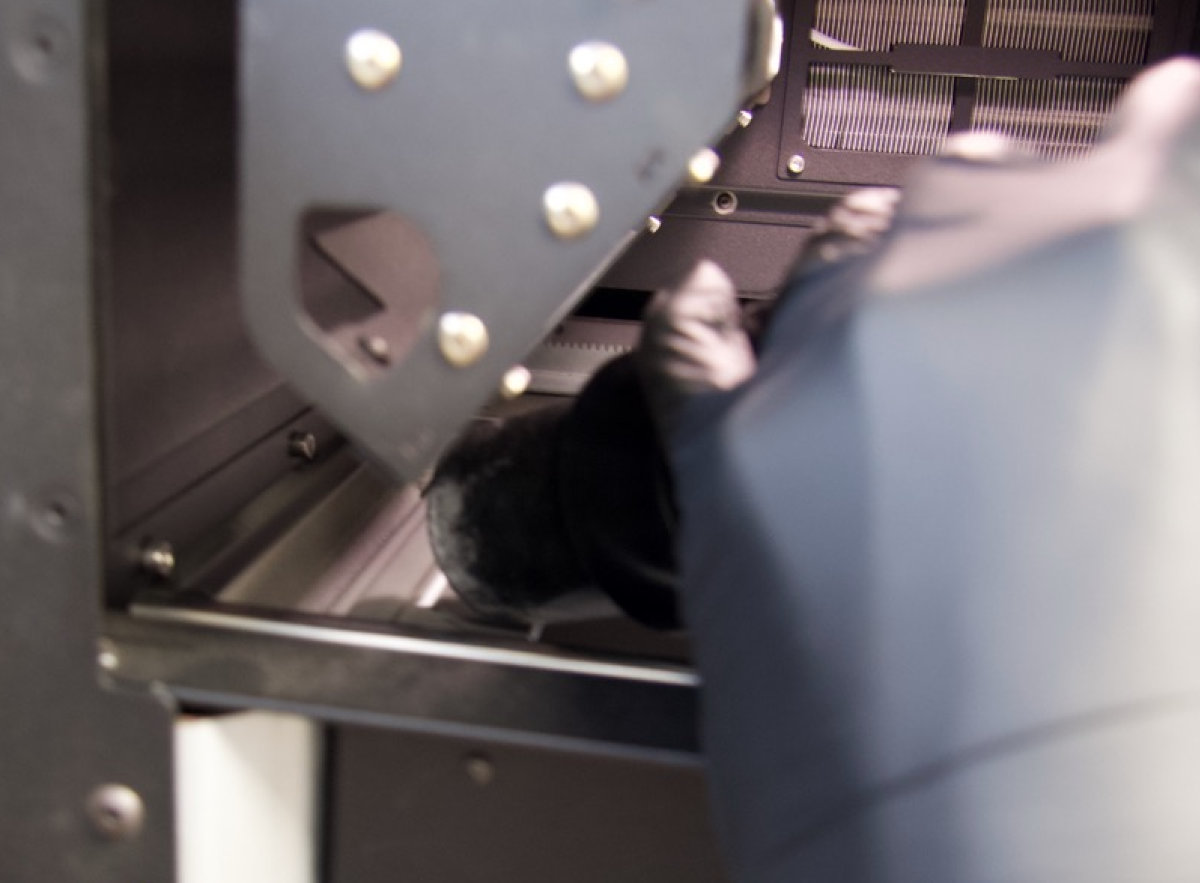
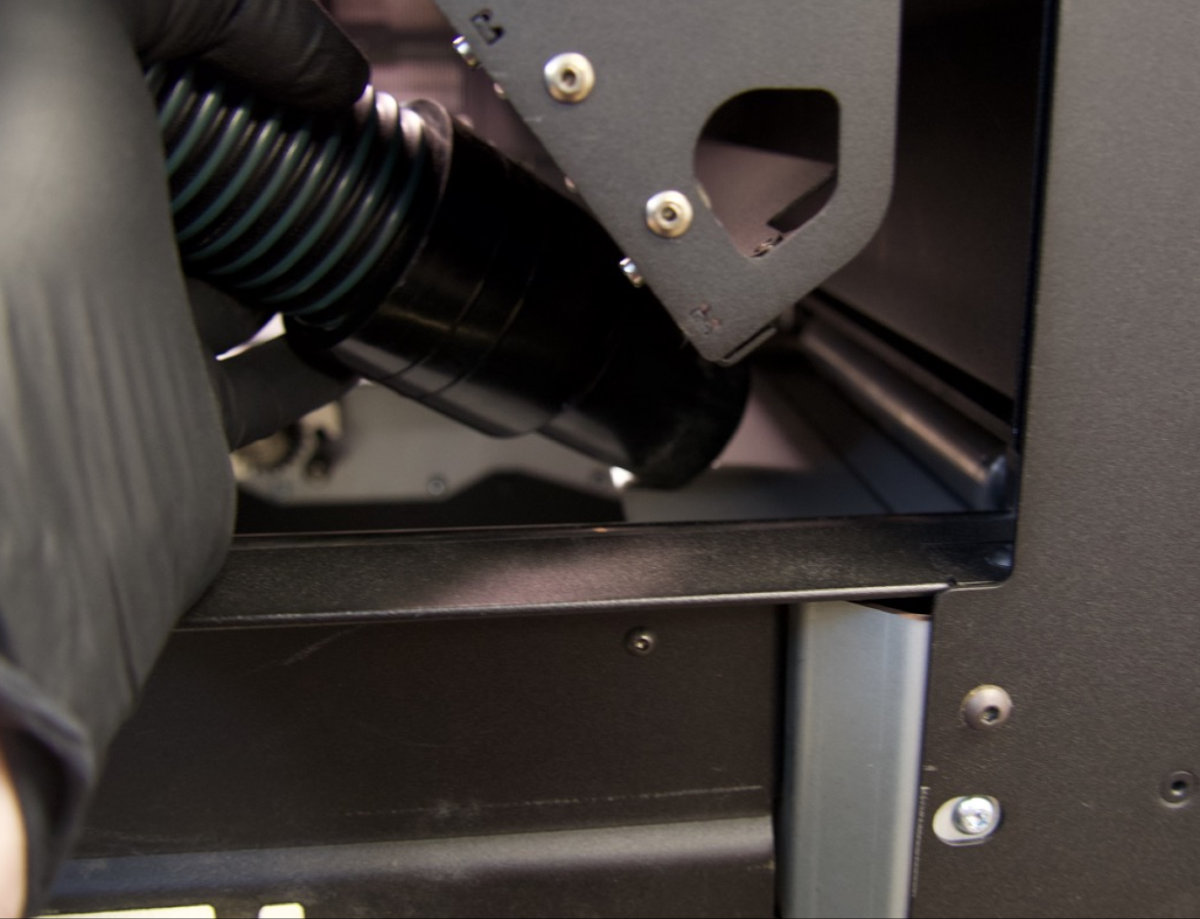
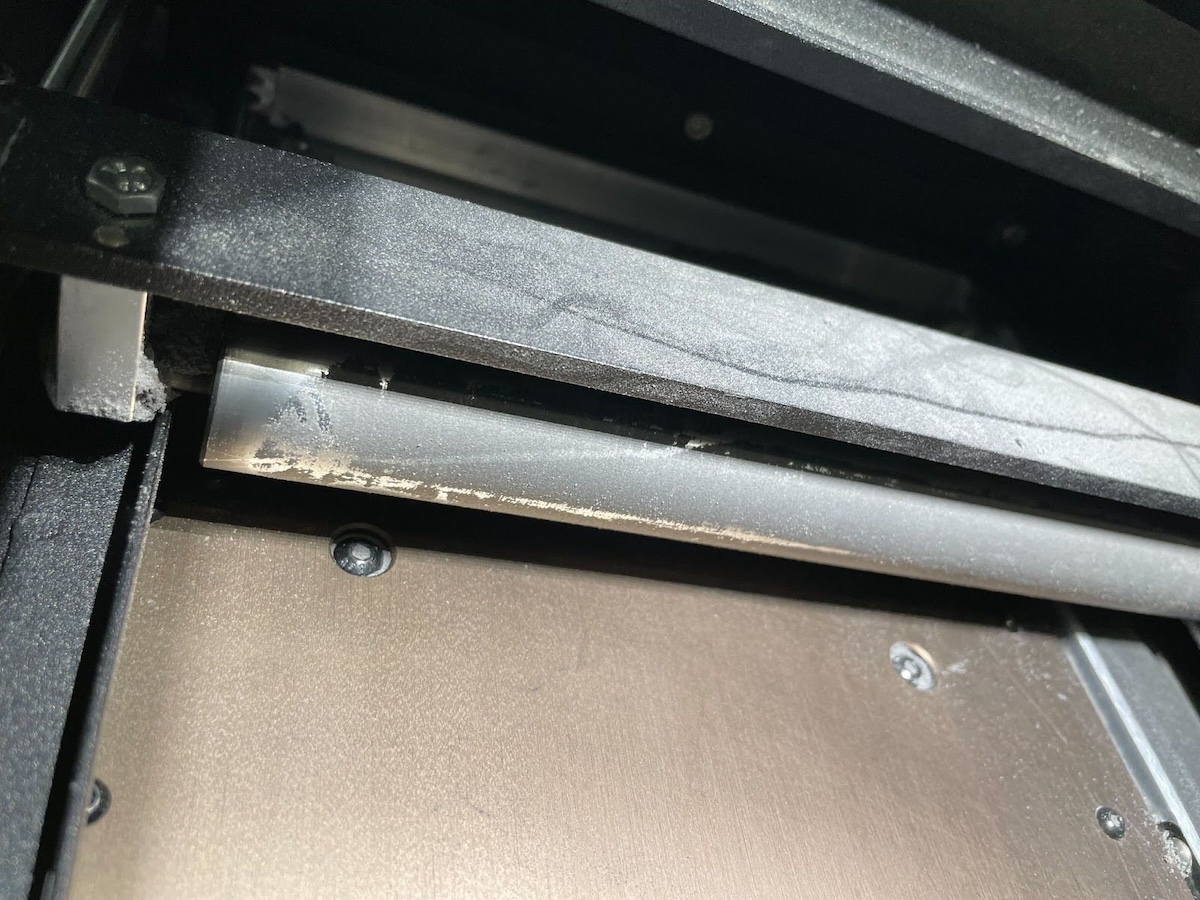
Step 3 — Inspect and clean the recoater. Move the recoater via the Motor Moves screen and inspect for semi-sintered powder coating. If contaminated, wipe with a PEC*PAD or lint-free microfiber cloth wetted with ethanol.
Step 4 — Clean the exhaust filter and cabinet door. Nylon 12 Tough produces an oily byproduct — including laurolactam — that settles in the exhaust filter cabinet. Wipe the filter face and the inside of the cabinet door with a cloth dampened with ethanol. This residue is normal and does not affect print performance.
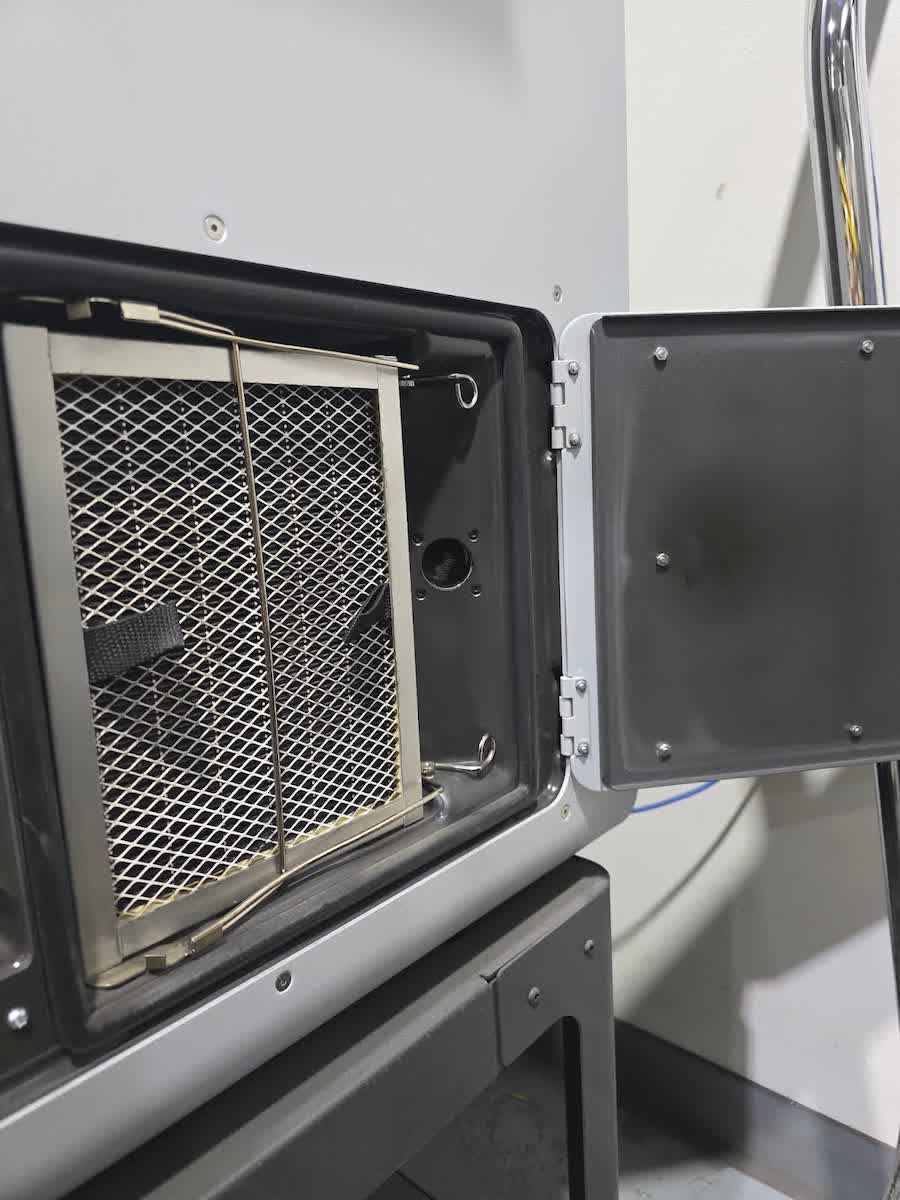
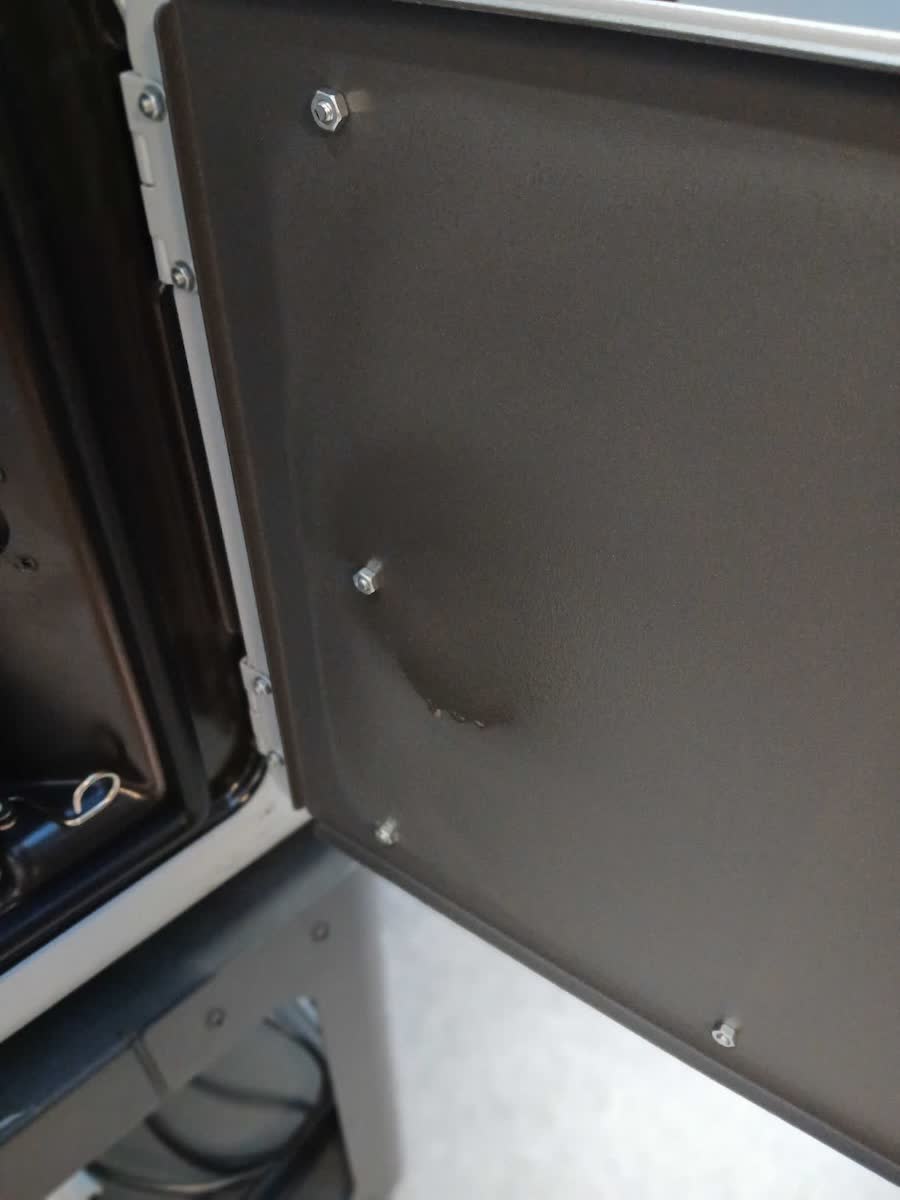
Step 5 — Clean the Fuse Sift sieve mesh. Nylon 12 Tough clogs the Fuse Sift sieve faster than standard nylons. Lightly brush the sieve mesh every three prints. For significant slowdowns, follow the full Fuse Sift cleaning workflow.
Applications
- Snap-fits, ratchets, and hinges: 25% elongation at break and high impact strength enable compliant mechanisms that survive repeated actuation cycles without cracking.
- Functional prototypes and MVP runs: 42 MPa tensile strength and reduced warpage deliver dimensionally accurate parts that perform under real-world mechanical loads, print-to-print.
- High-volume continuous production: The 20% refresh rate minimises powder waste, making overnight batch production economically viable on the Fuse 1+ 30W.
- Skin-contact and near-patient components: ISO 10993 evaluation results support non-cytotoxic and non-irritant applications — end-use validation by the manufacturer is required.
- Chemical-resistant industrial parts: Weight gain below 1% in diesel fuel, hydraulic oil, and mineral oils suits fluid-handling and under-hood automotive components.
- Outdoor-exposed assemblies: ASTM D4329-21 Xenon arc weathering results confirm mechanical property retention through moderate UV and moisture cycling.
Compatibility and accessories
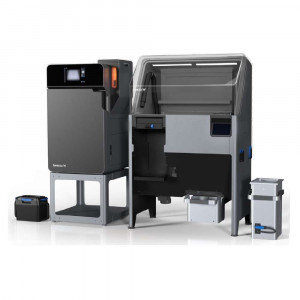
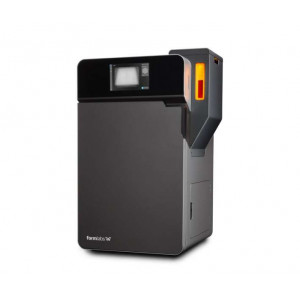
- Compatible printer: Formlabs Fuse 1+ 30W — specifically developed for this platform; not validated for any other SLS system.
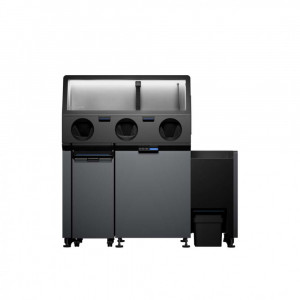
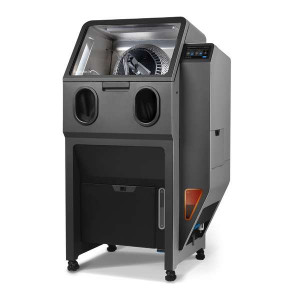
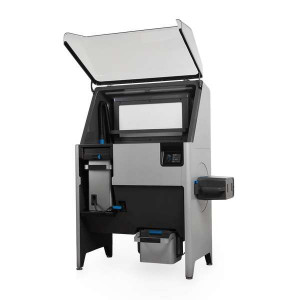
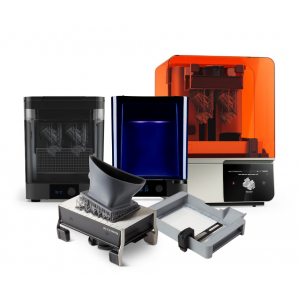
- Post-processing hardware: Fuse Sift powder recovery and sieving station; Fuse Depowdering Kit.
- Powder cartridges: Standard Formlabs powder cartridges for the Fuse 1+ 30W.
What's in the box
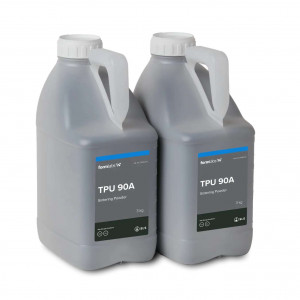
- Formlabs Nylon 12 Tough Powder — 10 kg (Powder Code: FLP12T01)
Technical specifications
Mechanical Properties
| Parameter | Value |
| Ultimate Tensile Strength | 42 MPa (6,200 psi) — ASTM D638-14 Type 1 |
| Tensile Modulus | 1,450 MPa (215 ksi) — ASTM D638-14 Type 1 |
| Elongation at Break (X/Y) | 25% — ASTM D638-14 Type 1 |
| Elongation at Break (Z) | 15% — ASTM D638-14 Type 1 |
| Flexural Strength | 42 MPa (6,200 psi) — ASTM D790-17 |
| Flexural Modulus | 1,100 MPa (165 ksi) — ASTM D790-17 |
| Notched Izod Impact Strength | 60 J/m (1.1 ft-lb/in) — ASTM D256-10 |
Thermal and Physical Properties
| Parameter | Value |
| Heat Deflection Temperature @ 1.8 MPa | 46 °C (116 °F) — ASTM D648-16 |
| Heat Deflection Temperature @ 0.45 MPa | 161 °C (321 °F) — ASTM D648-16 |
| Vicat Softening Temperature | 170 °C (337 °F) — ASTM D1525 |
| Water Absorption (printed part) | 0.30% — ASTM D570 |
| Flammability Rating | HB @ 3.00 mm — UL 94 Section 7 |
Biocompatibility (ISO 10993)
| Parameter | Value |
| Systemic Toxicity | No systemic toxicity — ISO 10993-11:2017 |
| Cytotoxicity | Not cytotoxic — ISO 10993-5:2009 |
| Irritation | Not an irritant — ISO 10993-23:2021 |
| Sensitization | Not a sensitizer — ISO 10993-10:2021 |
| Pyrogenicity | Nonpyrogenic — ISO 10993-11:2017 |
Solvent Compatibility (24-hour weight gain, %)
| Parameter | Value |
| Water | 0.1% |
| Isopropyl Alcohol | 0.3% |
| Acetone | 0.2% |
| Diesel Fuel | 0.6% |
| Hydraulic Oil | 0.9% |
| Mineral Oil (heavy) | 1.0% |
| Mineral Oil (light) | 0.8% |
| Acetic Acid 5% | 0.2% |
| Bleach (~5% NaOCl) | 0.1% |
| Salt Water (3.5% NaCl) | 0.2% |
| Skydrol 5 | 0.8% |
| Sodium Hydroxide Solution (0.025%, pH 10) | 0.1% |
| Diethyl Glycol Monomethyl Ether | 0.5% |
| Strong Acid (HCl Conc.) | 5.6% |
| TPM | 0.8% |
| Hydrogen Peroxide (3%) | 0.1% |
| Isooctane | 0.1% |
| Xylene | 0.2% |
| Butyl Acetate | 0.1% |
Print Settings
| Parameter | Value |
| Compatible Printer | Formlabs Fuse 1+ 30W |
| Layer Thickness | 0.110 mm |
| Recommended Refresh Rate | 20% fresh powder |
| Print Atmosphere | Air |
| Powder Code | FLP12T01 |
| Powder Weight (this listing) | 10 kg |
Frequently Asked Questions
Does Nylon 12 Tough Powder require aging before the first print?
Yes — the aging process is mandatory before the very first build. It creates the recycled powder fraction that Nylon 12 Tough requires for consistent sintering. Skipping aging significantly raises the risk of print failures and surface defects. The process takes approximately 13 hours on a Fuse 1+ 30W and only needs to be performed once per powder type introduction.
What refresh rate should I use with Nylon 12 Tough Powder?
Formlabs recommends a 20% fresh powder refresh rate — the lowest among all their nylon powders. Up to 80% of each build's unsintered powder can be reused in the next cartridge, making this the most material-efficient nylon option for continuous production on the Fuse 1+ 30W.
Which printer is Nylon 12 Tough Powder compatible with?
Nylon 12 Tough Powder is specifically developed for the Formlabs Fuse 1+ 30W. Always check the Formlabs compatibility table before using any powder to confirm compatibility and avoid equipment damage.
How is Nylon 12 Tough different from standard Nylon 12 and Nylon 11?
Nylon 12 Tough is over 50% more ductile than standard Nylon 12, making it far less brittle for snap-fits and compliant mechanisms. Compared to Nylon 11, it has lower elongation at break (25% vs. 40%) but a superior refresh rate (20% vs. higher), making it more cost-effective for high-volume workflows. The material also shows significantly reduced warpage on long Z-axis parts compared to standard Nylon 12.
Can Nylon 12 Tough parts be used in contact with skin or for medical applications?
Parts have been evaluated to ISO 10993-1:2018 standards and confirmed not cytotoxic, not an irritant, not a sensitizer, and nonpyrogenic. Testing was conducted by NAMSA World Headquarters in Ohio, USA. It remains the manufacturer's responsibility to validate printed parts for specific intended uses.
What cleaning is required between Nylon 12 Tough prints?
After each build: vacuum the top enclosure runways, clean both powder troughs and the recoater path with a static-dissipative vacuum, inspect and wipe the recoater blade with ethanol if needed, and clean the exhaust filter cabinet door of oily laurolactam residue. Lightly brush the Fuse Sift sieve mesh every three prints to maintain sifting speed.
Why buy Nylon 12 Tough Powder from EXPERT3D?
EXPERT3D has been supplying professional 3D printing materials to engineers, designers, and manufacturers since 2012. Our technical team has hands-on experience with Formlabs SLS systems and provides expert pre-sales advice on material selection, process parameters, and workflow optimisation — from first aging run to continuous production. As an official representative of Formlabs, we guarantee 100% authenticity, fair pricing, authorised service, and an official warranty. After-sales technical support and operator guidance are included with every order. Delivery is available across Spain and the EU.