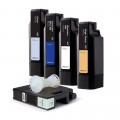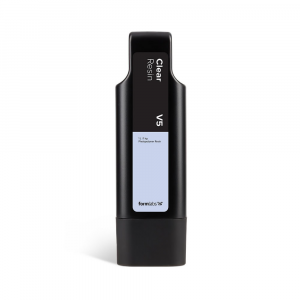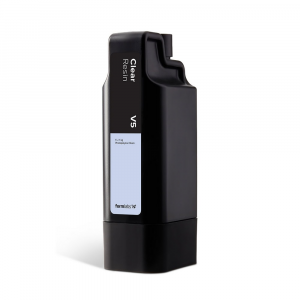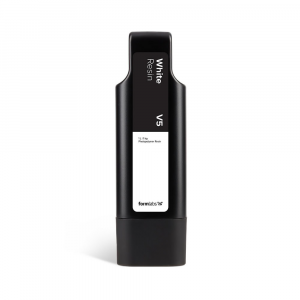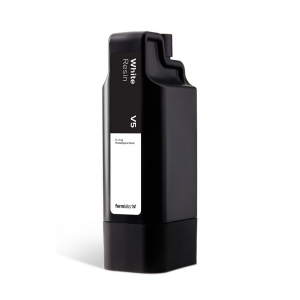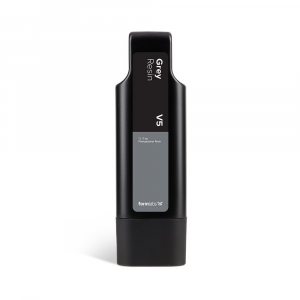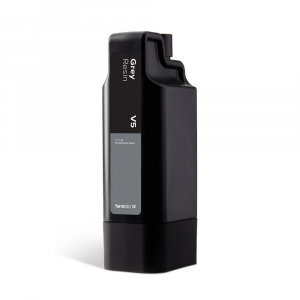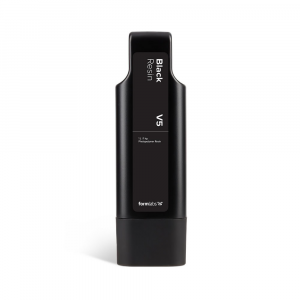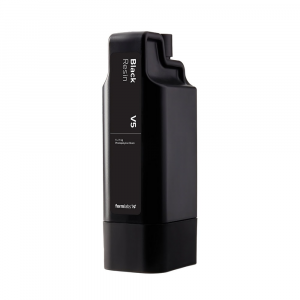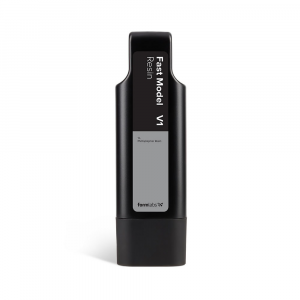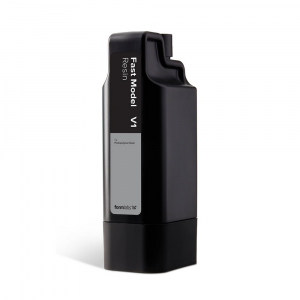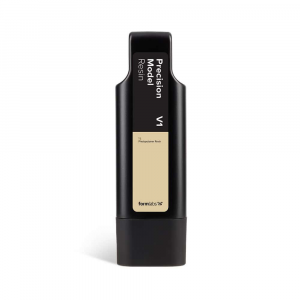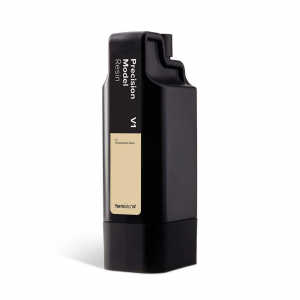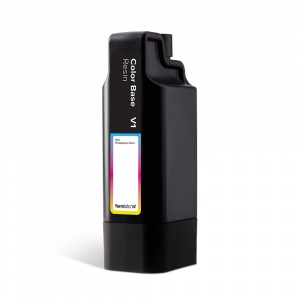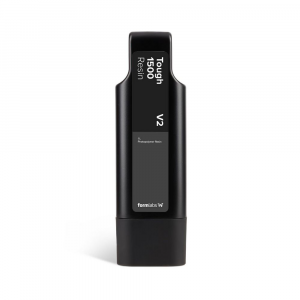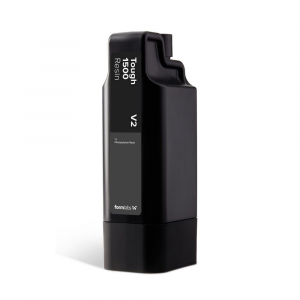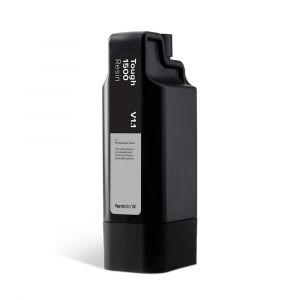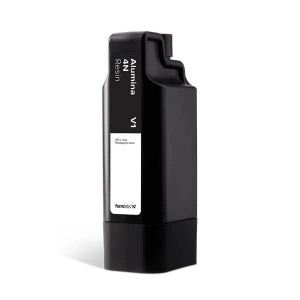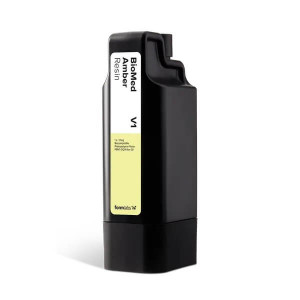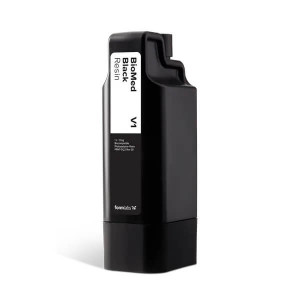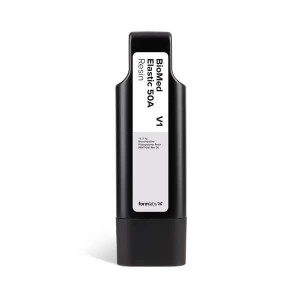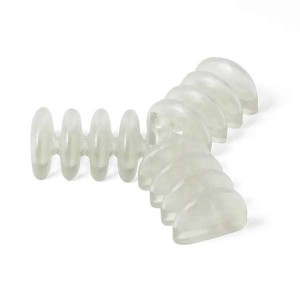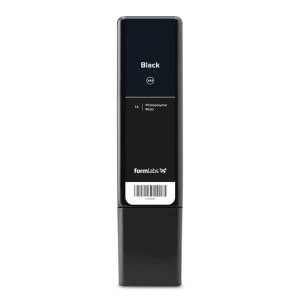
Resins for 3D printers are specialised materials used in SLA (stereolithography) and DLP (digital light processing) technology to create objects of high precision and detail. These photopolymer resins solidify under the influence of ultraviolet light, which allows complex geometric shapes to be formed with a high degree of detail.
There are many types of resin for 3D printing, each with unique properties and designed for various applications:
- Standard resins: Suitable for prototyping and creating models with a moderate level of detail. They offer a good combination of strength, rigidity, and surface finish.
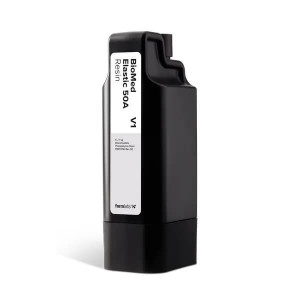
- Flexible resins: These resins allow the creation of elastic and soft objects that can withstand bending and deformation without being damaged. They are ideal for the manufacture of gaskets, seals, and other items that require flexibility.
- High-strength resins: Developed for the production of parts that require superior mechanical properties, such as impact and wear resistance. They are used in engineering and functional prototyping.
- Heat-resistant resins: These possess high thermal resistance, making them ideal for creating parts that will be exposed to high temperatures.
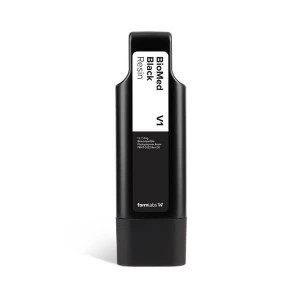
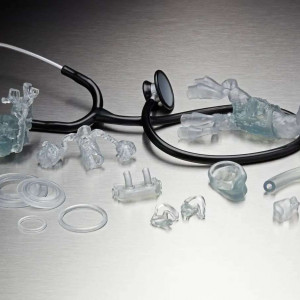
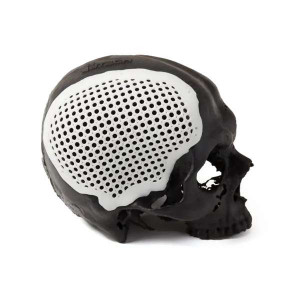
- Biocompatible resins: Applied in the medical industry for the creation of prosthetics and other medical devices. They are safe for contact with skin and mucous membranes.
- Transparent resins: Used for the manufacture of optical elements or decorative objects where the transparency of the material is important.
Each type of resin requires a specific printing approach, including printer settings and post-processing conditions, to ensure the best quality of the final product. Thanks to the variety of materials available, 3D printing with resins opens up wide possibilities across various sectors, from industrial design to medicine and jewellery.