Step into the future of technical ceramics with the
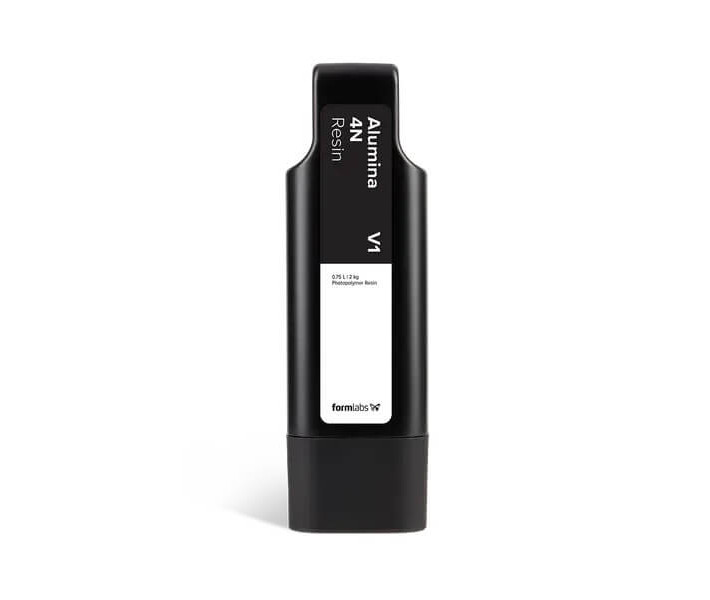
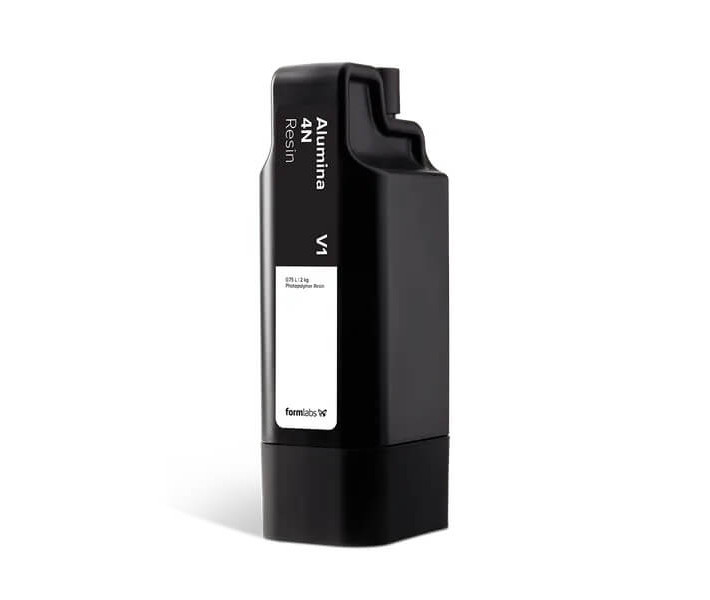
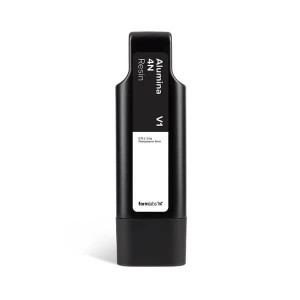
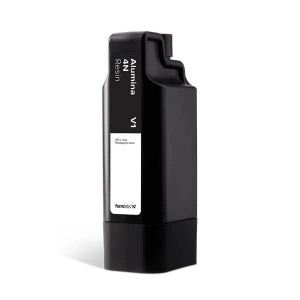
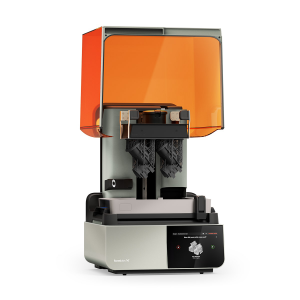
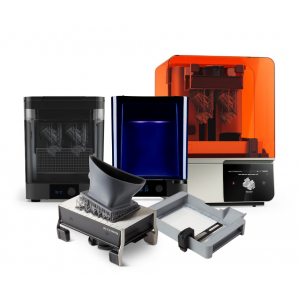
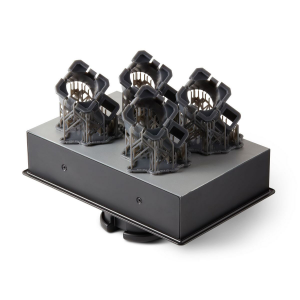
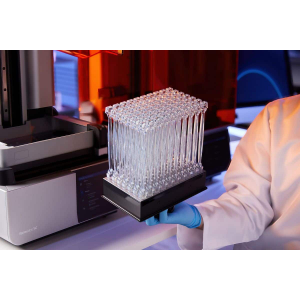
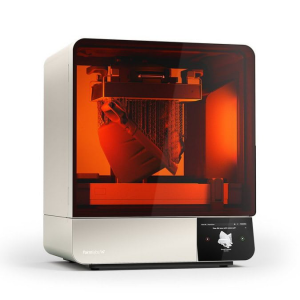
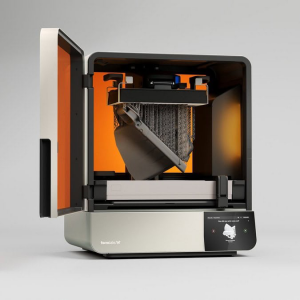
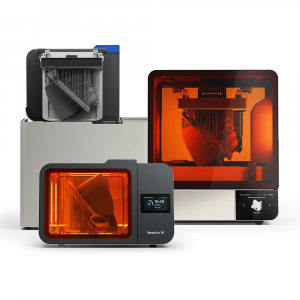
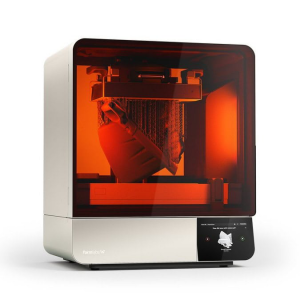
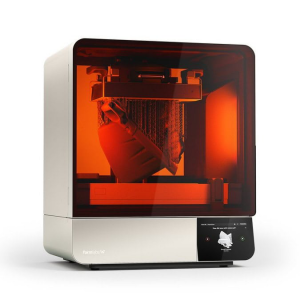
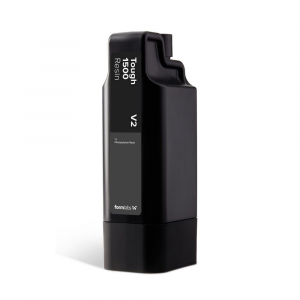
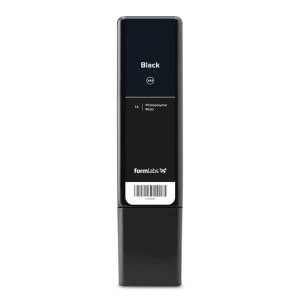
Formlabs Alumina 4N Resin Cartridge (Form 4), 2 kg (0.78 l). This revolutionary material makes in-house ceramic 3D printing more accessible and affordable than ever before. As a Form X material designed for expert users, Alumina 4N Resin enables you to produce fully dense, high-purity (99.99%) alumina parts — without the prohibitive costs or lengthy lead times of traditional manufacturing. Create components with unparalleled geometric freedom that deliver exceptional performance in the most extreme thermal, mechanical, and chemical environments.
Important storage information: Alumina 4N Resin has a shelf life of 3 months at room temperature. To extend this by up to 12 additional months, we strongly recommend refrigerating the resin between -10 and 4 °C.
Why choose Alumina 4N Resin?
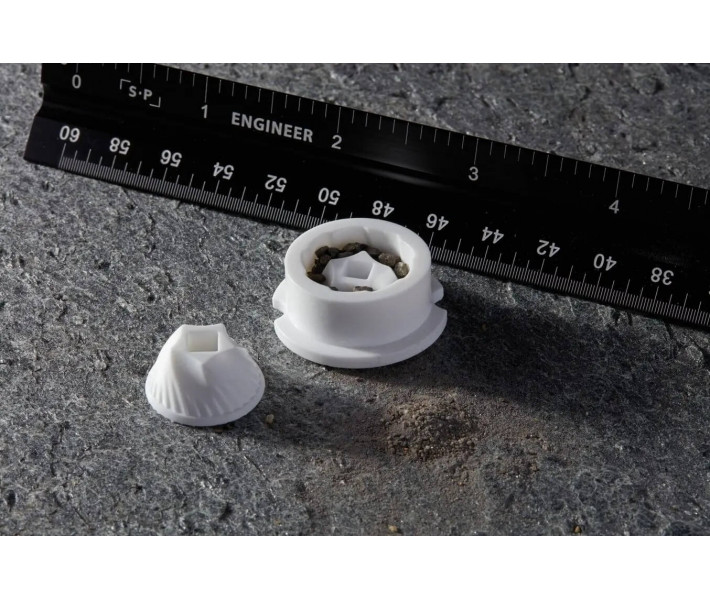
Alumina 4N Resin produces parts with a relative density of 98.6% and properties comparable to traditionally manufactured alumina (Al2O3), making it a genuine game-changer for advanced engineering and manufacturing.
Make ceramic 3D printing accessible
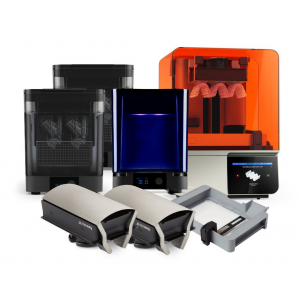
With a starting price more than 10 times lower than leading alternatives, Formlabs' ceramic ecosystem breaks down the cost barrier to producing high-performance technical ceramics. Bring production in-house and take full control of your workflow.
Achieve unprecedented design freedom
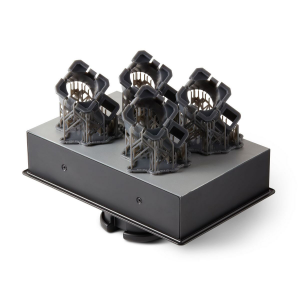
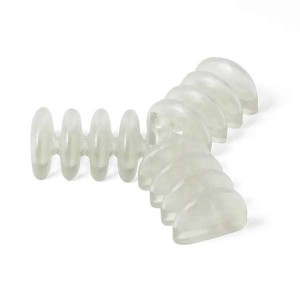
Produce ceramic parts with complex internal channels, intricate lattice structures, and advanced geometries that are simply impossible to achieve with traditional methods. Optimise your designs for performance without being constrained by the limitations of moulding or machining.
Accelerate timelines and reduce costs
Eliminate the need for costly tooling and moulds. By 3D printing your ceramic parts directly, you can dramatically shorten development cycles, reduce production costs, and iterate on designs faster than ever before.
Engineered for extreme performance
Create reliable parts for the most demanding applications. With a maximum working temperature of 1500 °C, a flexural strength exceeding 400 MPa, and a modulus of 380 GPa, your components will withstand heat, compression, and deflection with exceptional stability.
Applications for high-performance ceramics
Alumina 4N Resin is a cost-effective solution for manufacturing parts destined for extreme environments. Its properties as a thermal and electrical insulator, combined with its chemical and wear resistance, make it ideal for industries such as manufacturing, aerospace, defence, and automotive. Key applications include:
Casting and moulding tooling: Crucibles, cores, thermocouple sheaths, and metal filters.
Material properties
Flexural strength: >400 MPa
Purity: 99.99%
Relative density: 98.6%
Coefficient of Thermal Expansion (CTE): 5 ppm/K
Maximum working temperature: 1500 °C
Alumina 4N Resin workflow guide
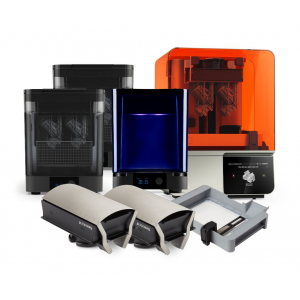
As a Form X material, Alumina 4N Resin requires an advanced, multi-step workflow. Follow this guide to produce parts successfully.
Step 1: Design
Account for shrinkage during the debinding and sintering process. Scale your model in PreForm by 121.5% on the X and Y axes, and 126.5% on the Z axis. Ensure all features comply with the supported wall thickness and dimension guidelines.
Step 2: Printing
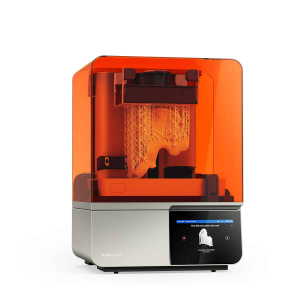
Shake the resin cartridge for at least one minute before inserting it. Ensure the mixer, build platform, and resin tank are clean. Send your scaled model to the printer and start the print.
Step 3: Washing
Wash printed parts in the Form Wash using Isopropyl Alcohol (IPA) >99% for a total of 20 minutes (two cycles of 10 minutes each, with fresh solvent in the second cycle). Use the included removal tool to carefully detach parts from the build platform between cycles.
Step 4: Drying
Ensure parts are completely dry before the debinding and sintering stage. Use a source of compressed air to remove excess IPA from part surfaces and internal channels. Allow parts to air-dry for at least 30 minutes. Inspect visually to confirm no IPA residue remains.
Step 5: Debinding and Sintering
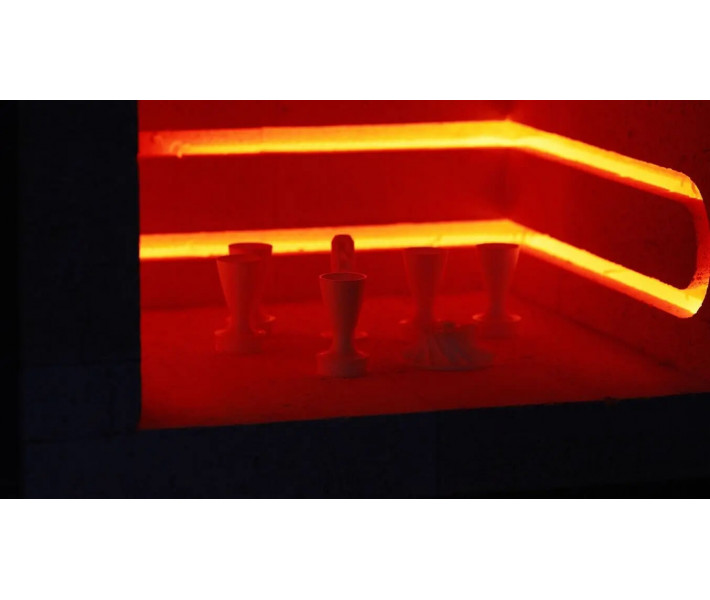
This critical step requires a well-ventilated furnace capable of reaching at least 1550 °C. Place parts on an alumina setter plate inside the furnace. Run the debinding cycle, which slowly removes the polymeric binder, followed by the sintering cycle, which heats the part to a high temperature to fuse the ceramic particles into a dense, solid object. This complete cycle can take over 40 hours.
Step 6: Finishing (Optional)
After sintering, supports can be removed using pliers or a rotary tool. For a smoother surface finish, parts can be sanded or polished using diamond tooling and polishing compounds.
Your official Formlabs partner
As an official Formlabs representative, **EXPERT3D** guarantees the best price, an official warranty, and
professional service support. Our experts, with experience dating back to 2012, are here to advise you and help you make the right decision. Trust us for qualified support before, during, and after your purchase to ensure you achieve the best possible results with your 3D printing projects.
The Formlabs Fuse Sift is an all-in-one SLS powder recovery station designed exclusively for Fuse 1 generation printers, combining part extraction, po..
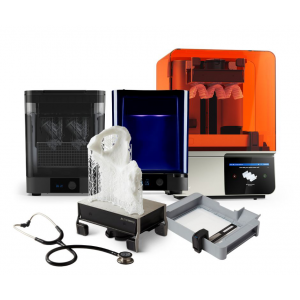
Medical 3D Printing at Another Level with the Form 4B Complete Package
On this page you can purchase the Form 4B medical 3D printer in the Complete Pa..
We use cookies and other tracking technologies to improve your browsing experience our website, to personalize content and ads, provide social features media and our traffic analysis.
Necessary cookies enable core functionality of the website. Without these cookies the website can not function properly.
Statistic cookies help website owners to understand how visitors interact with websites by collecting and reporting information anonymously.
A set of cookies to collect information and report about website usage statistics without personally identifying individual visitors to Google.
Marketing cookies store user data and behaviour information, which allows advertising services to target more audience groups.