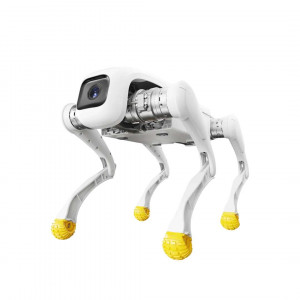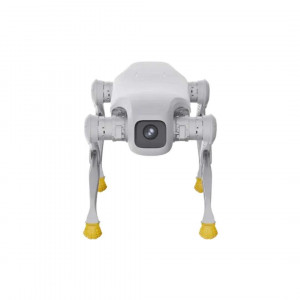


- Stock: In stock
- Product code: 920372000001458697
- Weight Brutto: 28.00kg

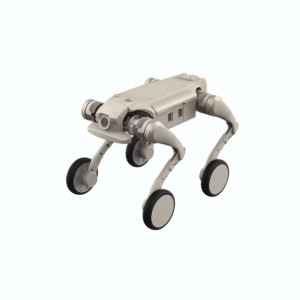
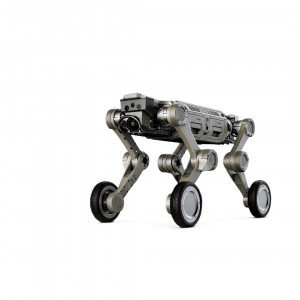
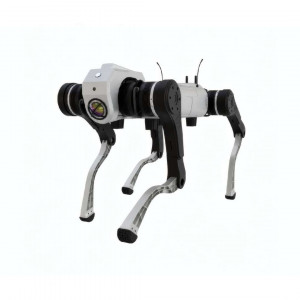
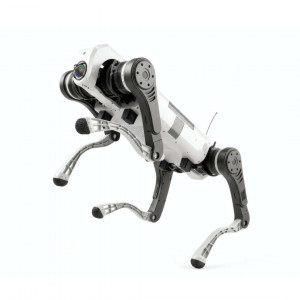
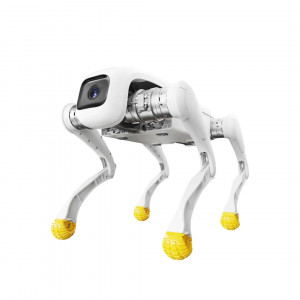
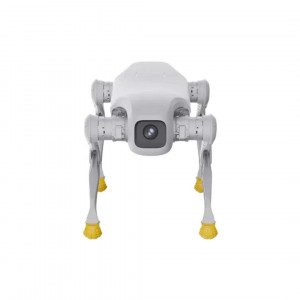
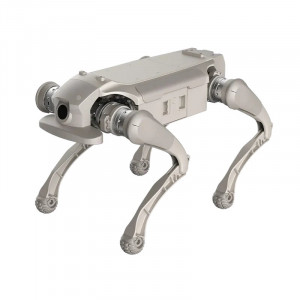
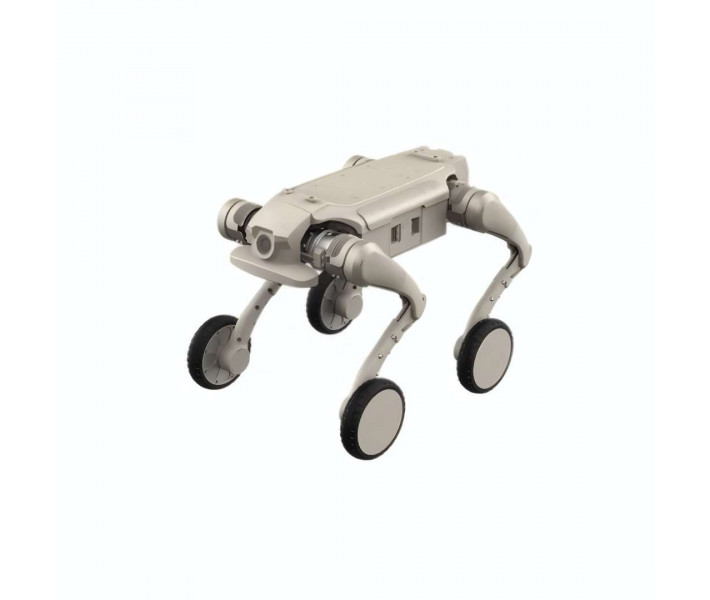
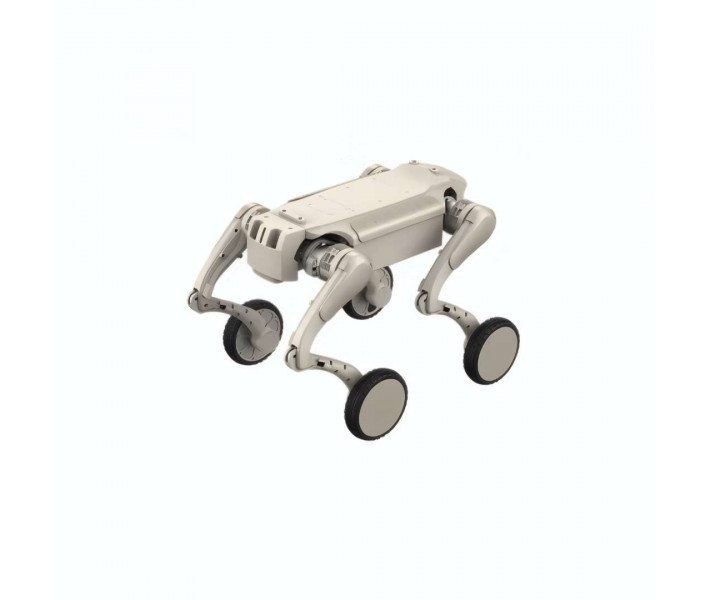
AgiBot D1 Ultra-W is a quadruped patrol robot that reaches speeds of up to 3.7 m/s. This allows it to move quickly through corridors and the spaces between equipment. Its compact, lightweight body with a wheel-legged configuration retains passability in tight spaces. Standardised interfaces and an SDK make the platform open for scientific research and education.
Key features and benefits
- Maximum obstacle clearance height: 60 cm — This allows it to get past debris on its route without detouring or halting the mission.
- Payload: 5 kg — Additional equipment connects via standardised expansion interfaces, so a single platform covers a variety of tasks.
- Range: 9 ±1 km — One charge covers a patrol route, and recharging from 10% to 90% takes about 1 h.
- Enclosure protection rating: IP54 — The enclosure is protected against dust and water splashes, which extends operating conditions beyond indoor spaces.
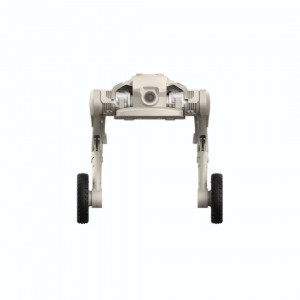
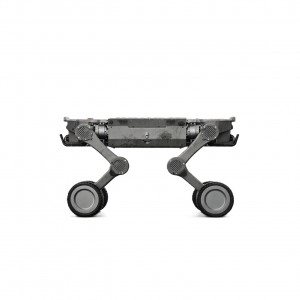
- Wheel-legged configuration: combines passability in tight spaces with a high travel speed.
- Reinforcement learning: an algorithm trained on tens of millions of data points adapts movement to stairs and debris and prevents tipping over.
- Open architecture: standardised interfaces and an SDK make it possible to implement autonomous navigation and connect various payloads.
AgiBot D1 Ultra-W wheel-legged configuration
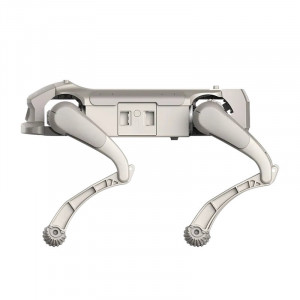
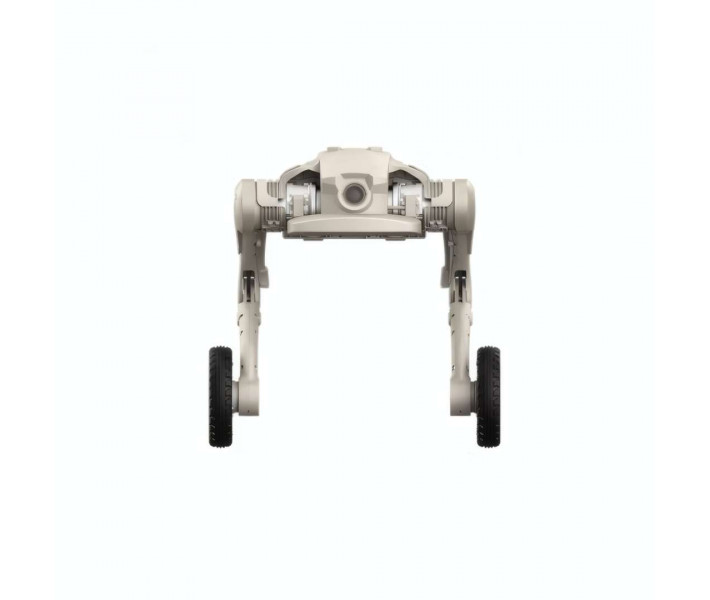
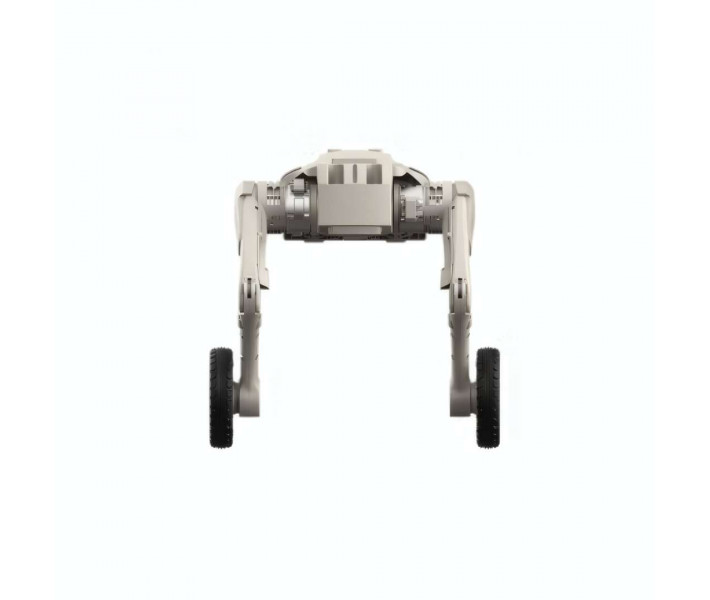
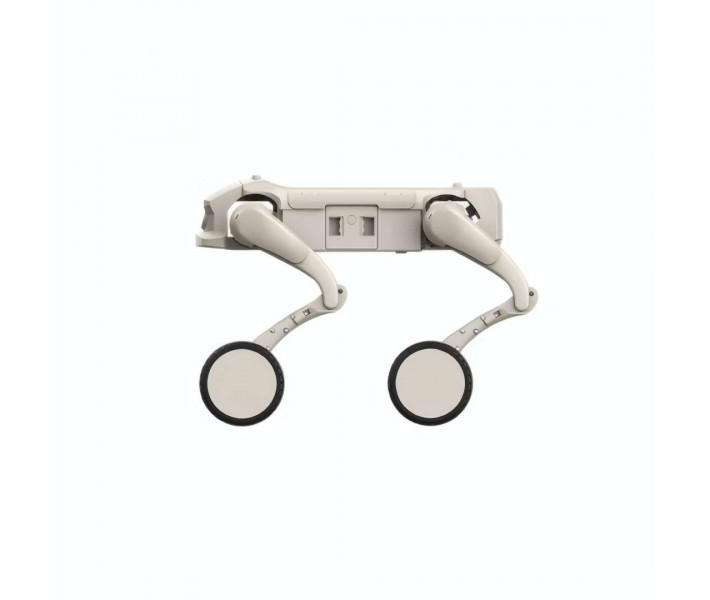
A wheel-legged configuration means a wheel at the end of each leg. It works together with a compact, lightweight body and motion control based on reinforcement learning. The result is high passability in tight spaces and a higher travel speed. During security patrols, the robot moves quickly through corridors and the spaces between equipment. In the field, it copes easily with gravel and shrubs. The wheel at the end of each leg is visible in the image where the robot crosses rocky terrain.
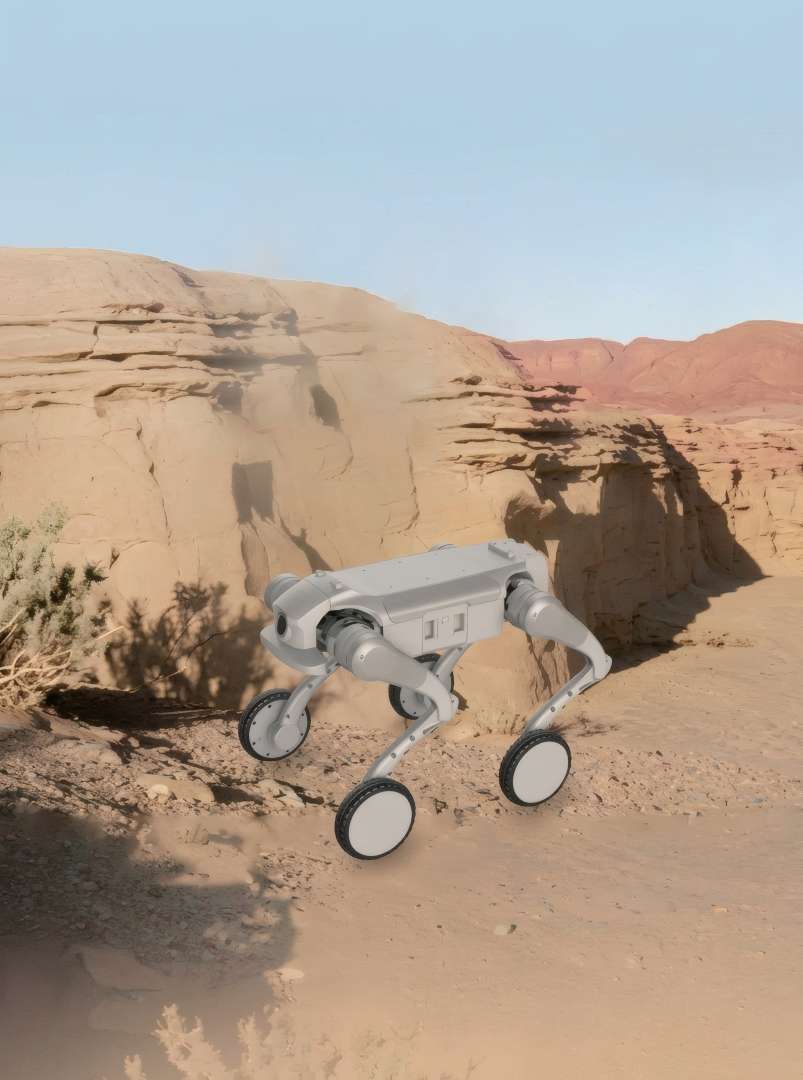
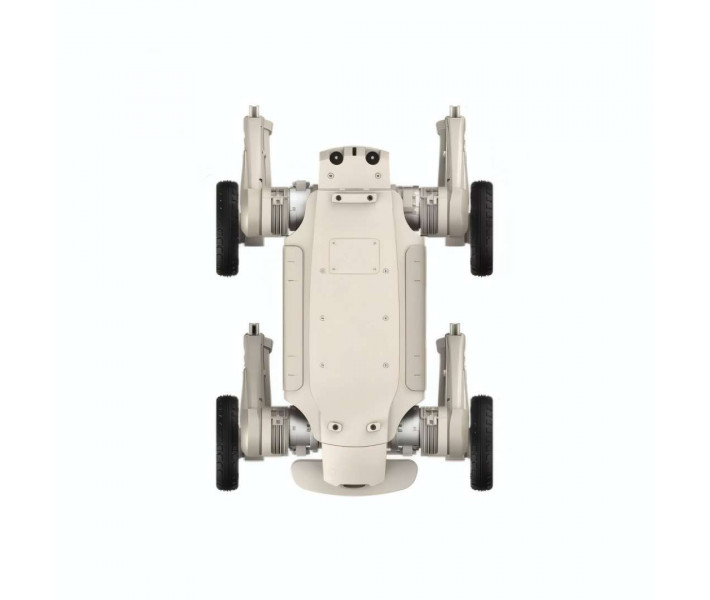
The power base is a proprietary joint system with a peak power density of 2 kW/kg. Power density shows how much power a joint delivers per kilogram of its own mass. The system integrates intelligent motion control and is designed for heavy payloads and long missions. The maximum joint torque is 48 N·m. In total, the robot has 16 degrees of freedom — 4 per leg. With a total mass of 22 kg including the battery, the AgiBot D1 Ultra-W carries a payload of 5 kg.
Manoeuvrability in confined spaces
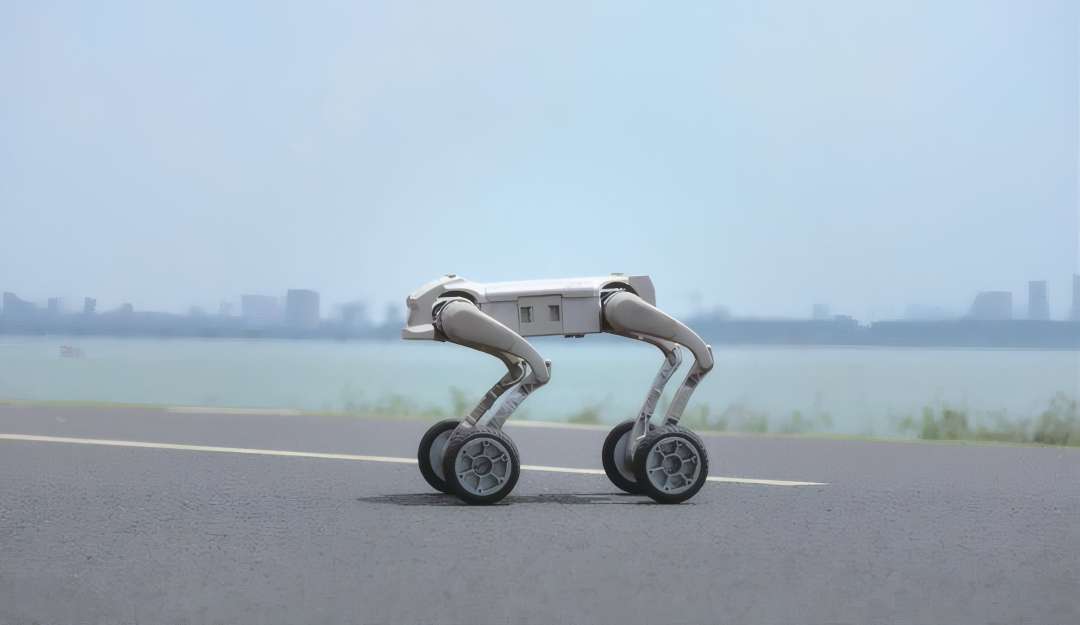
The lightweight design and efficient locomotion allow the compact body to move flexibly through tight spaces and complex environments. In the standing position, the dimensions are 630 × 430 × 485 mm; in the lying position, 690 × 540 × 165 mm. The body is made of aluminium alloy and high-strength engineering plastic. The maximum travel speed is 3.7 m/s. Standard movements include pitch adjustment (tilting the body forwards or backwards) and height adjustment. Wheeled mobility is visible in the image where the robot drives along a road beside a lake.
Reinforcement learning algorithm
Reinforcement learning is a method in which an algorithm selects actions based on the results of trials. The robot's model has been trained on tens of millions of data points. Combined with motion control technology, this gives it the ability to make decisions while moving.
Terrain adaptation
The algorithm adapts movement to terrain such as stairs and debris. The step height for continuous climbing is 16 cm. The maximum climbing angle is 30° standard and up to 40° maximum. The vertical jump height is 35 cm, and the maximum obstacle clearance height is 60 cm.
Stability and orientation
Self-balancing and anti-tipping functions provide resistance to external disturbances and mission reliability. An IMU (an inertial unit that records the position and acceleration of the body) is included as standard.
Power, protection and operating conditions
The battery module has a nominal capacity of 4.6 Ah at a voltage of 43.2 V. The runtime is 1–2 h, and the range is 9 ±1 km. Charging from 10% to 90% takes about 1 h. The charging station and power adapter are included as standard.
The enclosure has an IP54 protection rating, meaning it is protected against dust and water splashes. The operating temperature is from 0 °C to 40 °C. The stated parameters are based on laboratory tests. Actual performance depends on environmental and operating conditions.
Camera and remote control
The camera records at a resolution of 1920 × 1080 pixels. The diagonal field of view (DFOV) is 122°. The horizontal (HFOV) is 111° and the vertical (VFOV) is 70°. Real-time image transmission is supported. The robot can be controlled from a remote controller with a screen.
Secondary development and expansion
Standardised expansion interfaces support secondary development and customisation for specific tasks. They open the way to autonomous navigation and compatibility with various payloads.
SDK and simulation
Secondary development (SDK) is supported. SDK development packages and standardised interfaces are provided. Robot models and simulation interfaces are also available. Simulation environments such as Isaac Sim are supported. This support meets the needs of academic research.
Interfaces and connectivity
Functional expansion interfaces are provided for connecting a payload. Their composition is listed below.
- Ethernet: 1 port
- USB: 2 ports
- Power connector: 2 pcs
- SBUS: 1 interface
- UART: 1 interface
Wireless connectivity is provided via Wi-Fi 5.0 in the 2.4 GHz band with a transmitter power of 21 dBm. Bluetooth 5.0 is also supported. The expansion interfaces are described in detail in the Expansion Interface Operating Manual.
Areas of application
Passability and speed define the areas of application of the AgiBot D1 Ultra-W. An example of an industrial environment is a hall with fabric-processing equipment.

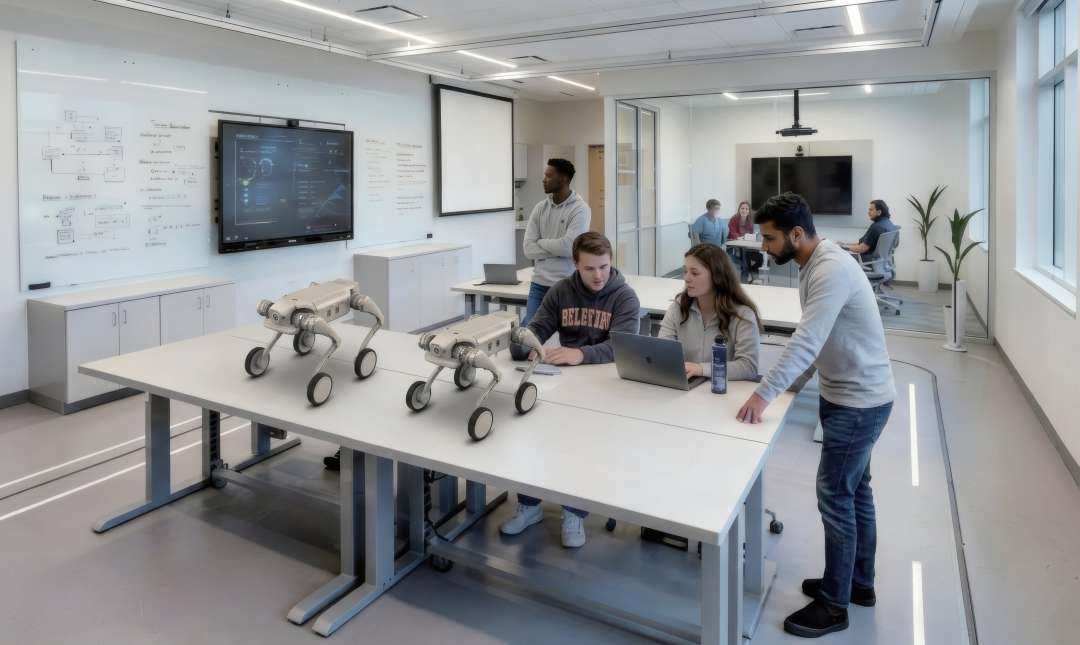
For scientific and educational projects, an open platform for secondary development is important. The image shows two wheel-legged robots on a laboratory table and students at a laptop.
- Security patrol: the wheel-legged configuration allows quick movement through corridors and the spaces between equipment. The dimensions in the standing position are 630 × 430 × 485 mm, so the body remains passable in tight spaces.
- Industrial inspection: the reinforcement learning algorithm maintains balance and prevents tipping over on stairs and debris. Real-time image transmission and a 1920 × 1080 pixel camera allow remote inspection of a site.
- Field survey: the platform copes with gravel and shrubs, and the climbing angle is 30° standard and up to 40° maximum. The IP54 protection rating and a range of 9 ±1 km support operation outdoors.
- Scientific and educational projects: SDK packages and simulation interfaces, including for Isaac Sim, support secondary development. This meets the needs of academic research.
What's in the box?
- D1 Ultra-W quadruped robot — 1 pc
- Battery — 1 pc
- Power adapter — 1 pc
- Charging station — 1 pc
- Adapter power cord — 5 pcs
- Product operating manual — 1 pc
- Remote controller — 1 pc
- Tool kit (L-shaped hex keys 2 mm, 2.5 mm, 3 mm) — 1 pc
- Certificate of conformity — 1 pc
Technical specifications
General information
| Parameter | Value |
| IMU | Standard |
| Camera field of view (FOV) | Camera with a resolution of 1920 × 1080 pixels, with DFOV 122°, HFOV 111°, VFOV 70° |
Basic information
| Parameter | Value |
| Material | Aluminium alloy with high-strength engineering plastic |
| Dimensions in standing position (L × W × H) | 630 × 430 × 485 mm |
| Dimensions in lying position (L × W × H) | 690 × 540 × 165 mm |
| Total mass (with battery) | 22 kg |
| Degrees of freedom | Whole robot: 16, each leg: 4 |
| Operating temperature | 0 °C ~ 40 °C |
| Enclosure protection rating | IP54 |
| Battery module | Nominal capacity: 4.6 Ah, voltage: 43.2 V |
| Charging time | about 1 h (charge level 10%–90%) |
| Battery life (runtime) | 1–2 h |
| Range | 9 ±1 km |
Performance parameters
| Parameter | Value |
| Maximum speed | 3.7 m/s |
| Payload | 5 kg |
| Step height for continuous climbing | 16 cm |
| Maximum climbing angle | 30° standard, up to 40° maximum |
| Vertical jump height | 35 cm |
| Maximum obstacle clearance height | 60 cm |
Joint parameters
| Parameter | Value |
| Maximum joint torque | 48 N·m |
| Joint range of motion (body) | –28° ~ +28° |
| Joint range of motion (thigh) | –170° ~ –66° |
| Joint range of motion (shank) | +35° ~ +156° |
List of functions
| Parameter | Value |
| Standard movements | Standing, lying, damping mode, pitch adjustment, height adjustment, turning on the spot |
| Real-time image transmission | Supported |
| Secondary development (SDK) | Supported; SDK development packages, standardised interfaces, robot models and simulation interfaces are provided, with support for simulation environments such as Isaac Sim. |
| Communication functions | Wi-Fi support, Wi-Fi band: 2.4 GHz; Wi-Fi transmitter power: 21 dBm; Bluetooth 5.0 support |
| Functional expansion interfaces | Ethernet × 1, USB × 2, power connector × 2, SBUS × 1, UART × 1 |
Accessories
| Parameter | Value |
| Power adapter | Standard |
| Charging station | Standard |
| Remote controller | Remote controller with a screen |
Why buy the AgiBot D1 Ultra-W from EXPERT3D?
EXPERT3D has been supplying professional 3D equipment since 2012. Our specialists provide pre-purchase advice and help you choose the configuration of the AgiBot D1 Ultra-W. We deliver throughout Spain and the EU countries. The warranty terms are set out in the product warranty service manual. After purchase, we provide service support. Spare parts and consumables can be ordered on the website. Contact us to discuss your technical requirements.