

- Stock: In stock
- Product code: 920372000001458082
- Weight Brutto: 200.00kg

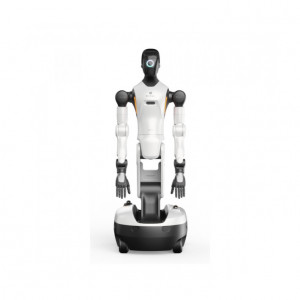
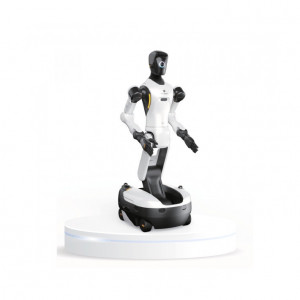
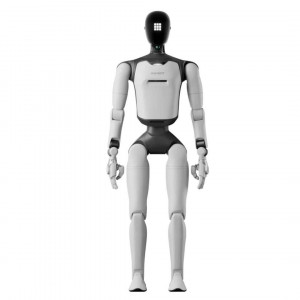
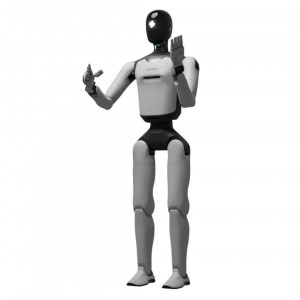
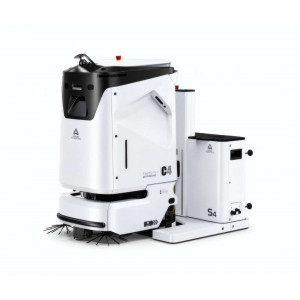
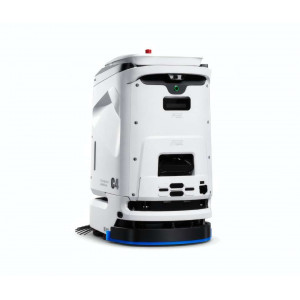
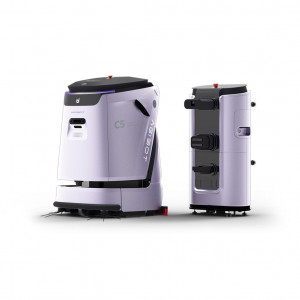
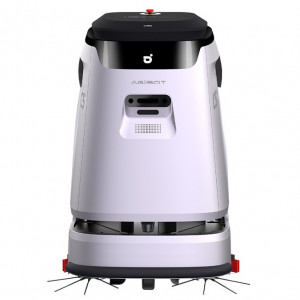
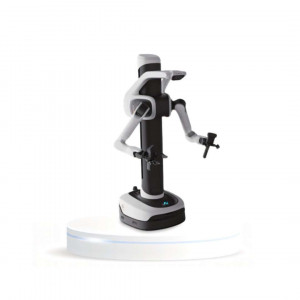
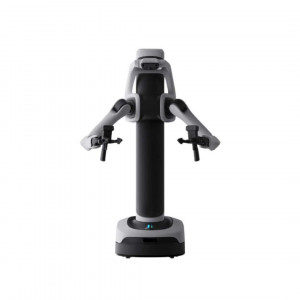
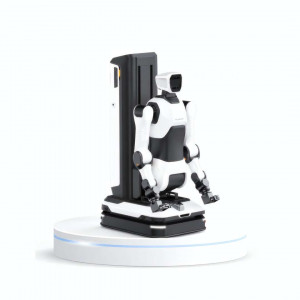
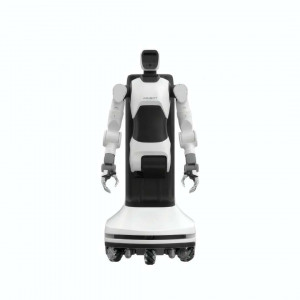
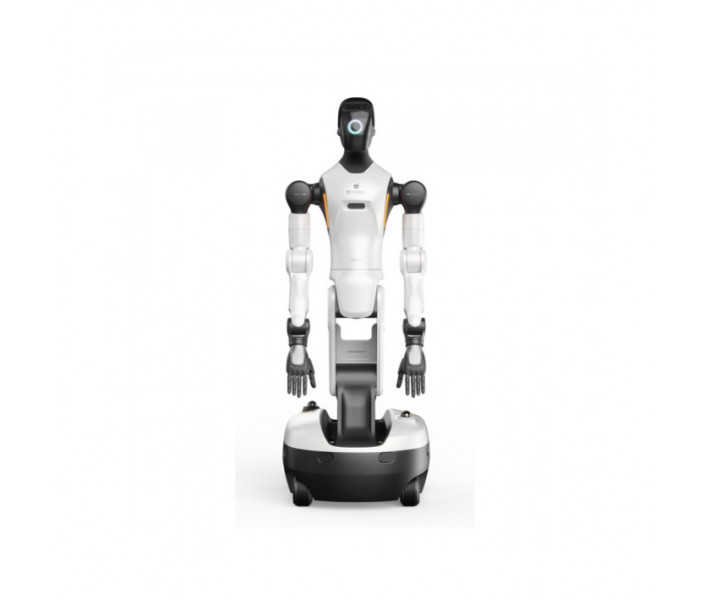
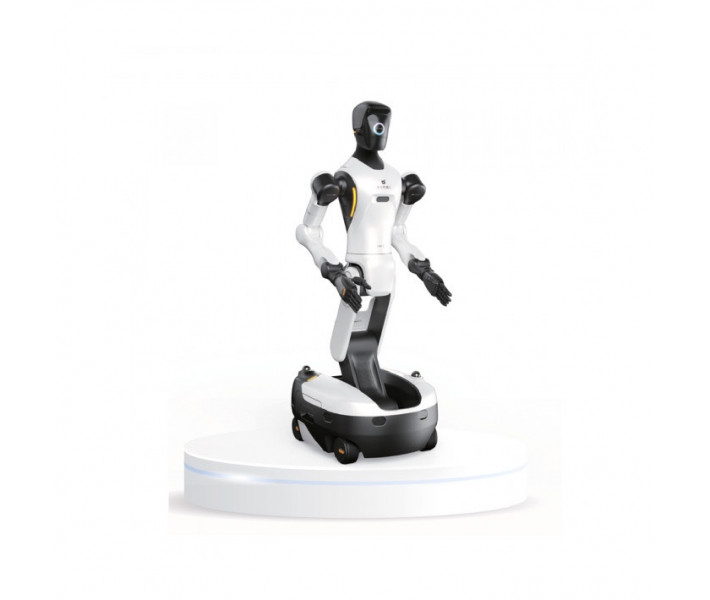
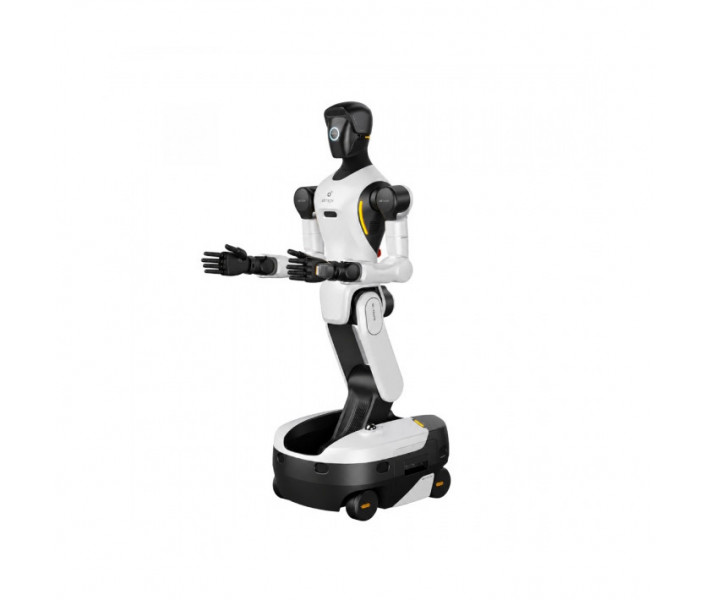
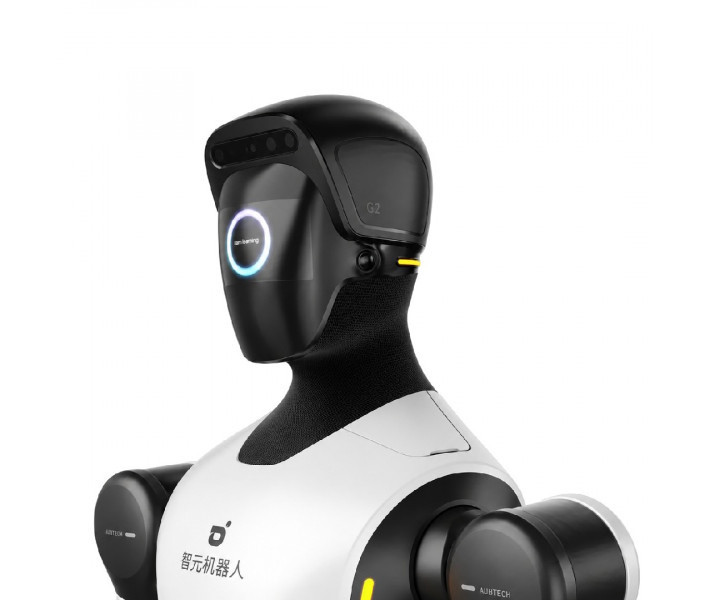
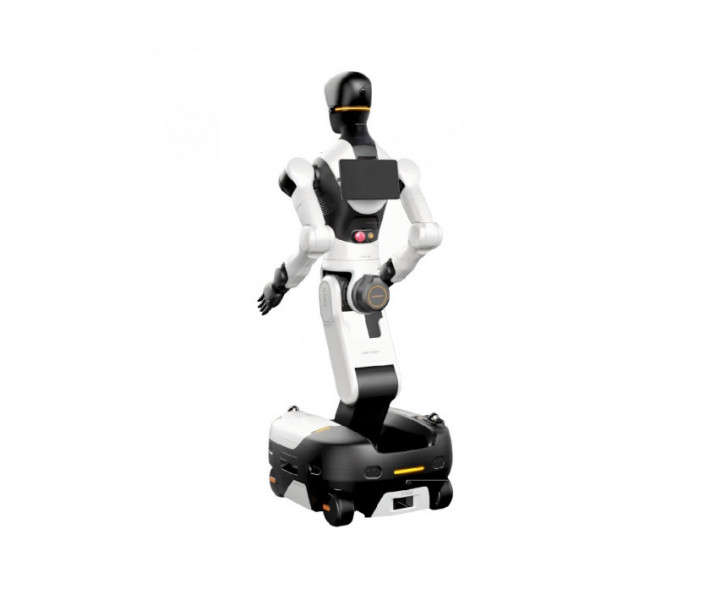
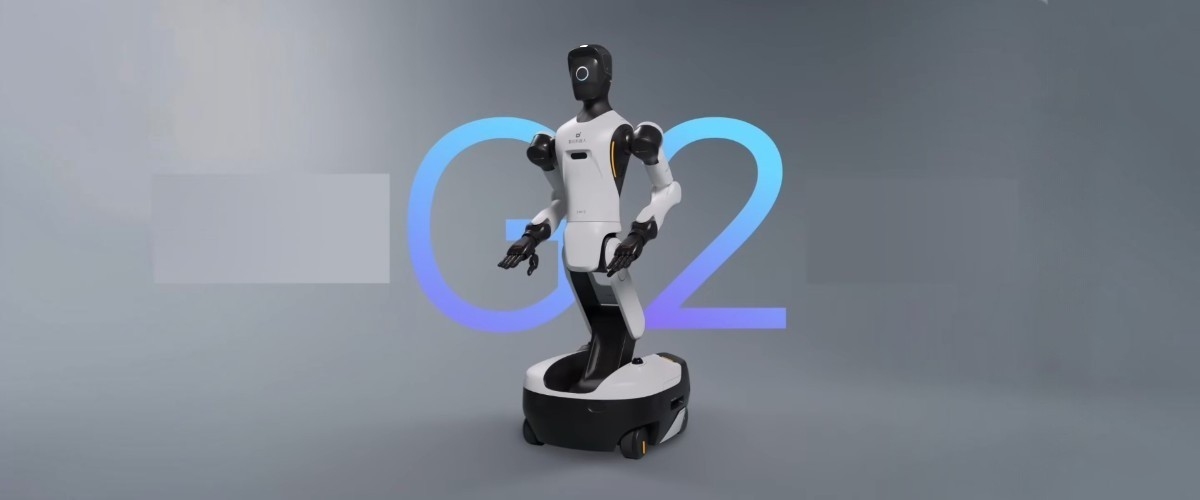
AgiBot G2 — wheeled humanoid robot for industrial automation, designed for the autonomous handling and transport of components between workstations. This system integrates an omnidirectional mobile base with two 7-degree-of-freedom arms equipped with force control. Its advanced architecture takes on continuous machine-loading tasks and millimetre-level positioning without modifying the plant's existing infrastructure.
Key specifications and advantages
- Rated payload: 5 kg per arm (10 kg combined) — Handle tools and technical components in a coordinated way on assembly lines.
- Maximum speed: 1.5 m/s — Speed up material transfer in narrow aisles without delays to the production flow.
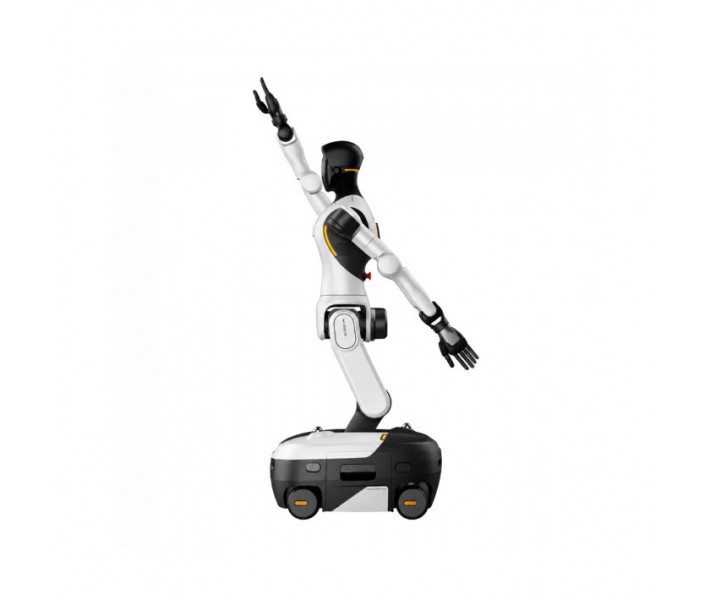
- Vertical reach: 2.3 m — Access trays on upper shelves and industrial hoppers without resorting to external lifts.
- Computing power: up to 2,070 TFLOPS in FP4 — Process multimodal models and complex kinematic algorithms locally in real time.
- Bimanual force control: protects the integrity of delicate parts and tooling by means of dedicated torque sensors in every joint.
- Multilayer perimeter safety: instantly detects people and obstacles using LiDAR and ultrasound to preventively modulate travel.
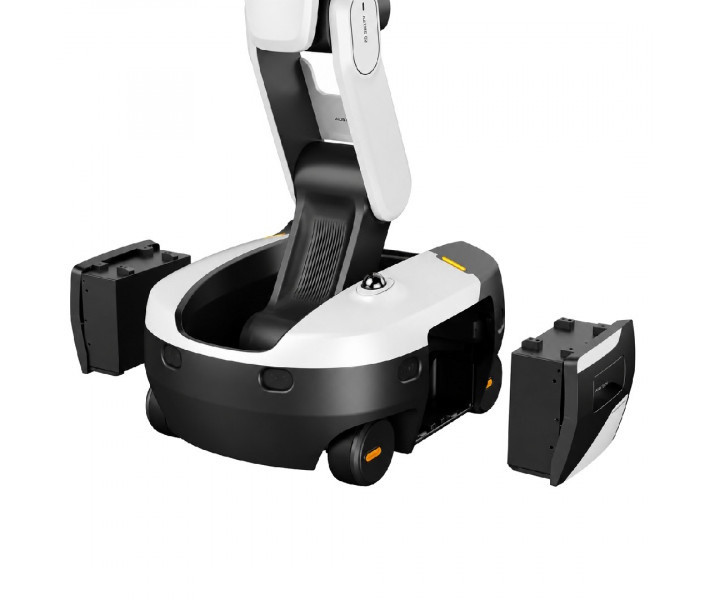
- Hot-swappable batteries: maintain operational continuity throughout full shifts without technical stops for recharging.
Kinematics and operating capabilities of AgiBot G2
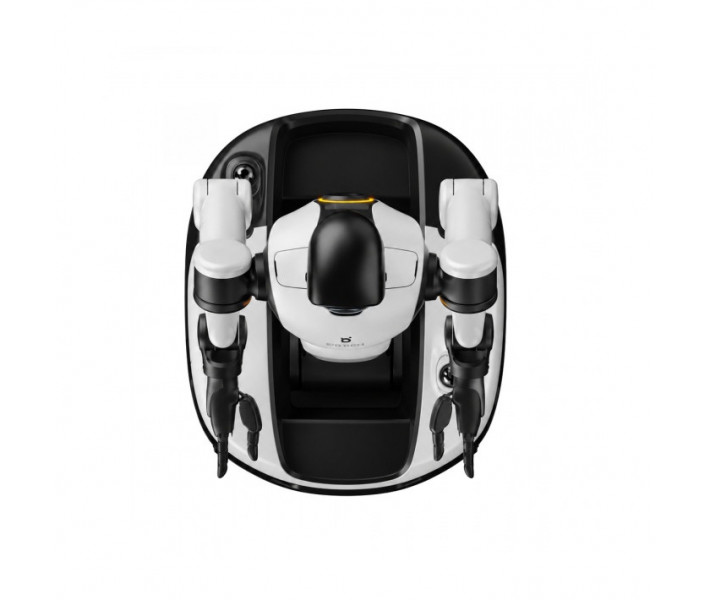
The combination of a rolling chassis with an articulated torso gives this robot adaptable mobility in established factory environments. Its base with four omnidirectional wheels allows smooth lateral and diagonal movements without needing to turn the body, making it easier to approach workbenches, test benches and conveyor belts accurately.
High-precision manipulators and working range
The system has 26 degrees of freedom in total, strategically distributed to emulate the dexterity of the human upper body. Each arm has 7 axes of movement with a horizontal span of 2.35 m, which allows it to cover wide material pick-up and delivery areas without constantly forcing the drive base to reposition.
The integration of torque sensors in every joint ensures gentle physical interaction with both the machinery and the parts being handled. This mechanical sensitivity prevents overloads when fitting components with tight tolerances, maintaining sub-millimetre repeatability in repetitive cycles.
Machine vision and plant navigation
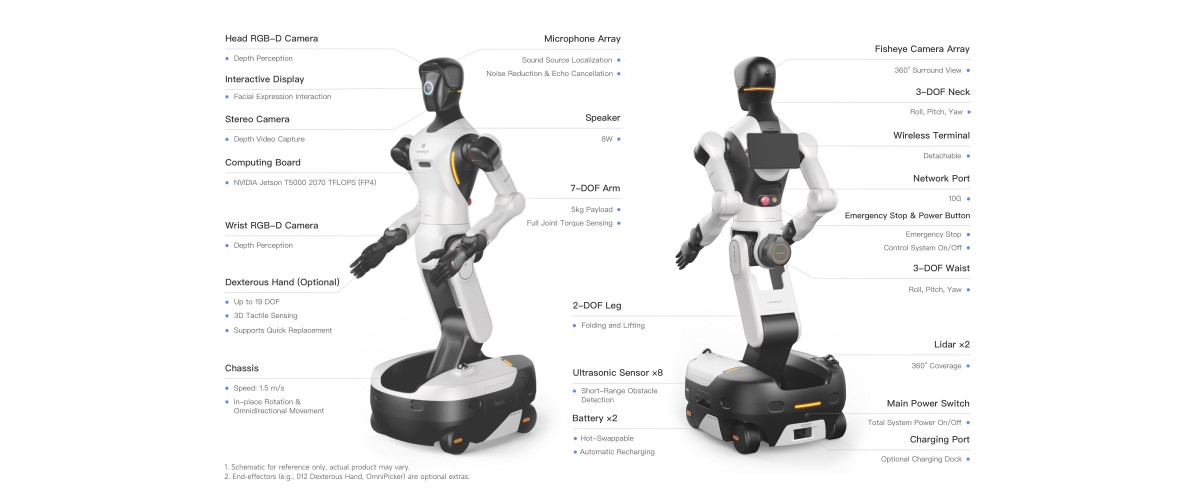
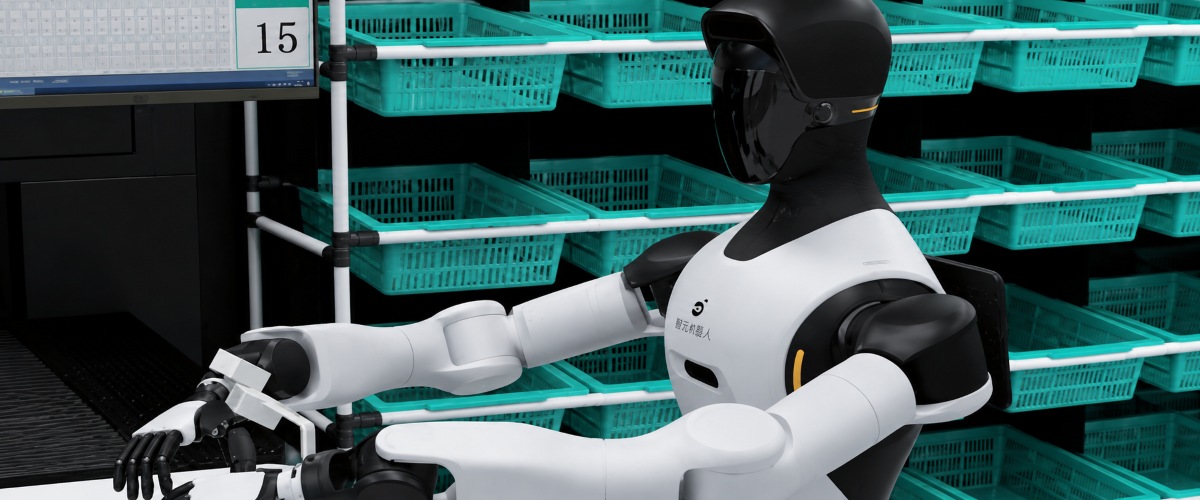
The sensor suite combines spatial vision cameras with perimeter LiDAR scanning and ultrasonic sensors. Using this optical equipment, the unit models the facility in three dimensions in real time, identifying the exact position of parts in the feed trays and correcting grasping trajectories if objects are unexpectedly misaligned.
Autonomous navigation dynamically recalculates trajectories when operators or auxiliary machinery are present, ensuring an orderly logistics flow within shared facilities.
Computing unit and power management
Internal processing is driven by the NVIDIA Jetson Thor T5000 module, a high-performance computing platform that runs deep learning and inverse kinematics algorithms locally, without depending on external network latency. This capability allows an instantaneous motor response to any physical disturbance detected by the sensors.
To sustain industrial activity, the device incorporates two batteries with hot-swap technology that provide a combined capacity of 1,652 Wh. This arrangement delivers around 4 hours of continuous autonomy per cycle, allowing depleted batteries to be replaced with charged units in a few seconds without needing to shut down the operating system.
A full recharge takes approximately 2 hours and supports both manual connection using an industrial charger and integration with automated charging bases.
Construction and industrial protection
The robot's chassis has an IP42 protection rating against solid particles and liquid splashes, while the articulated arms are IP50 certified, protecting them against dust build-up in machining cells and technical assembly areas.
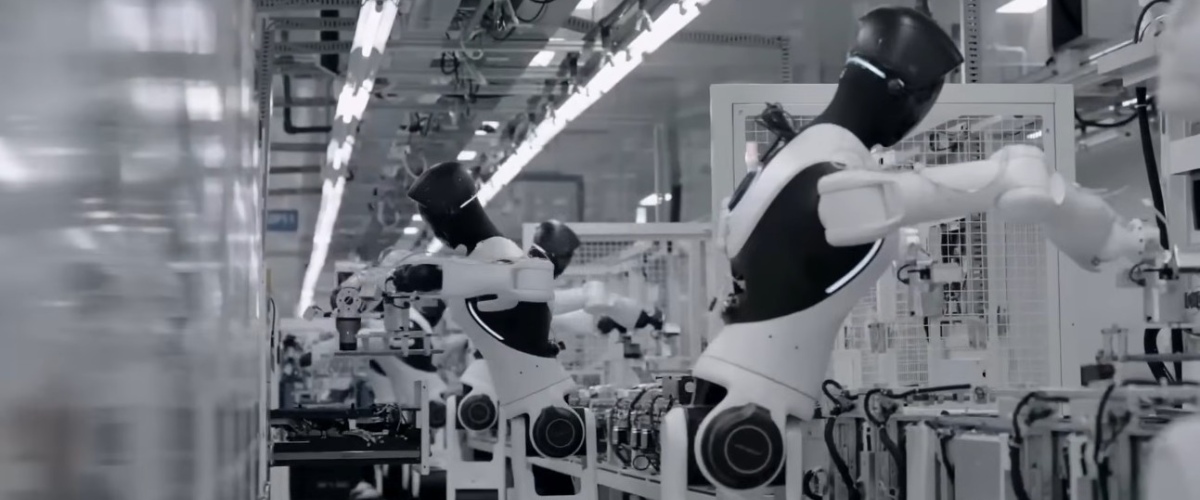
The audiovisual demonstrations show the robot's dynamic behaviour while carrying out transport, sorting and handling cycles in advanced manufacturing scenarios:
Industrial application sectors
- Machine loading: autonomous pick-up of unprocessed parts from pallets or conveyors and precise placement in the clamping fixtures.
- Unloading and subsequent sorting: removal of formed or machined parts for categorisation and direct transfer to the packing area.
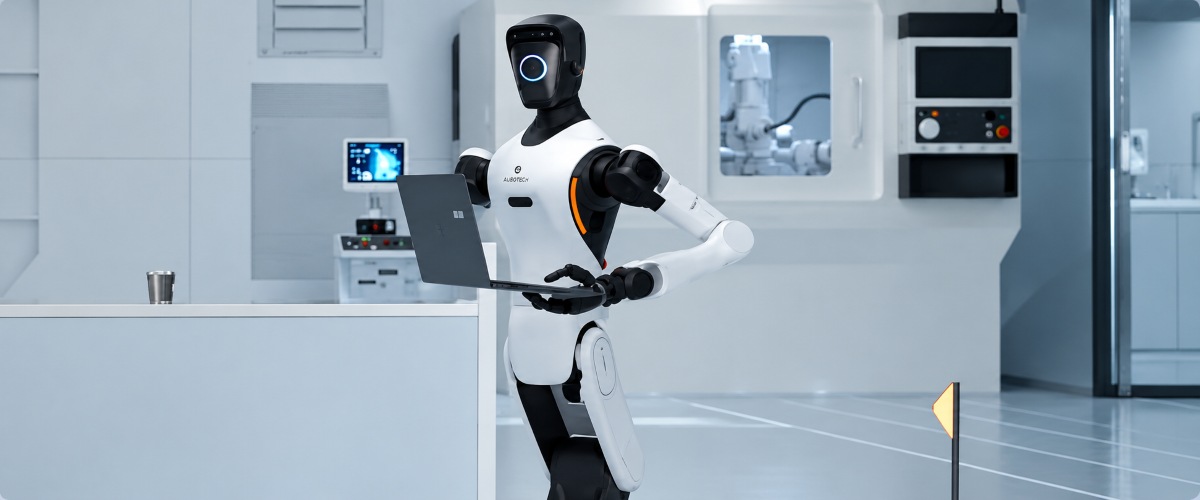
- Consumer electronics (3C) inspection: integration with specialised software suites such as Genie Studio to position devices on test benches with average cycle times of 18 s ± 2 s.
- Semiconductor handling: careful handling of standardised JEDEC trays and microchip carriers between environmental test chambers.
Accessories and physical compatibility
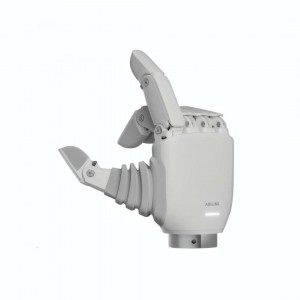
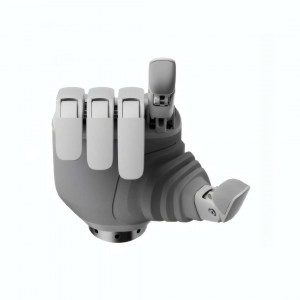
For requirements that demand high-precision anthropomorphic handling, the arm structure supports the connection of AGIBOT OmniHand Series robotic hands with 19 degrees of freedom, available as an optional accessory for gripping small objects and advanced dexterity tasks.
Package contents
- AgiBot G2 humanoid robot main unit.
- Industrial charging station and cable.
- Technical certificate of conformity and standard marking.
- Official manufacturer warranty card.
- Inventory sheet and packing breakdown.
- Technical tool kit for initial maintenance.
Technical specifications
Structure and kinematics
| Parameter | Value |
| External dimensions | 640 × 760 × 1,795 mm |
| Unladen weight | 185 kg |
| Degrees of freedom (DoF) | 26 |
| Drive and kinematics | Mobile chassis with 4 omnidirectional wheels |
| Maximum travel speed | 1.5 m/s |
| Technical repeatability | Sub-millimetre level |
Handling and payload
| Parameter | Value |
| Rated payload per arm | 5 kg (10 kg combined) |
| Maximum vertical reach | 2.3 m |
| Horizontal span | 2.35 m |
Control system and sensors
| Parameter | Value |
| Computing unit | NVIDIA Jetson Thor T5000 |
| Processing capacity | Up to 2,070 TFLOPS (FP4) |
| Sensor suite | Spatial vision cameras, LiDAR and ultrasonic sensors |
| Secondary development (SDK) | Compatible with open architectures |
Power and energy
| Parameter | Value |
| Battery configuration | 2 hot-swappable modules |
| Total rated capacity | 1,652 Wh |
| Autonomy per cycle | Approx. 4 hours |
| Recharge time | Approx. 2 hours |
Operating parameters and connectivity
| Parameter | Value |
| Power supply requirements | 100–240 V AC; charger output 54.75 V, 15 A |
| Network connectivity | Wi-Fi, Bluetooth, industrial 4G / 5G |
| Operating temperature range | 0 °C to 40 °C |
| Ingress protection rating | Body IP42; articulated arms IP50 |
Why integrate AgiBot G2 into your production flow?
Adopting this humanoid allows you to optimise the technical transfer of components without undertaking costly changes to the factory's architecture. We offer comprehensive robotic integration engineering advice to assess loads, workflows and cycle times. We provide qualified technical support, a continuous supply of spare parts and bespoke configuration options to ensure maximum productivity from the first start-up at your facilities.