

- Stock: In stock
- Product code: 920372000001458477
- Weight Brutto: 98.00kg

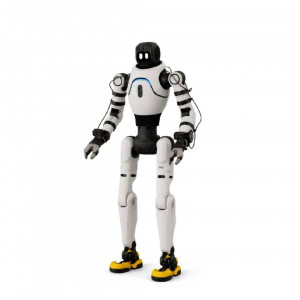
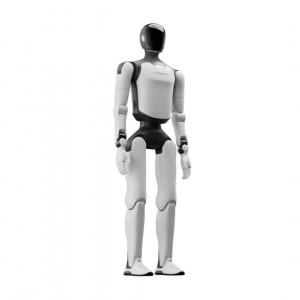
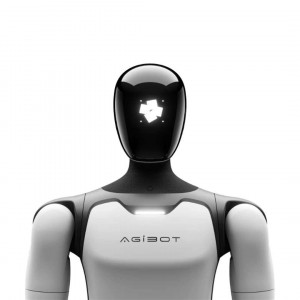
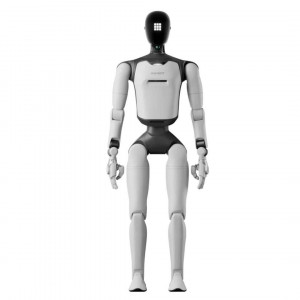
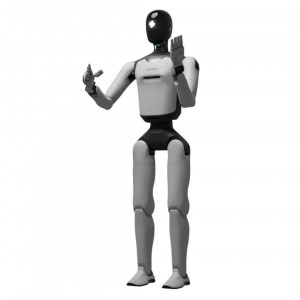
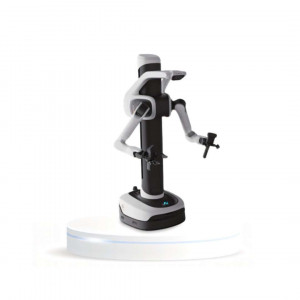
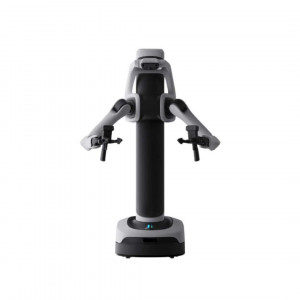
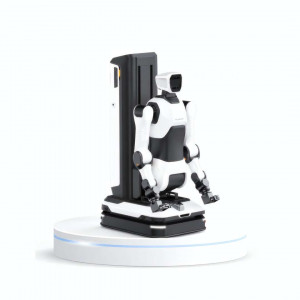
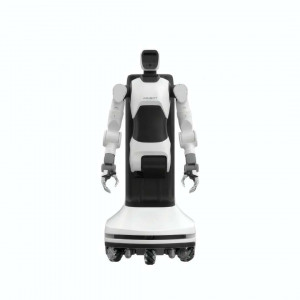
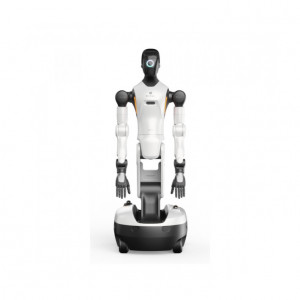
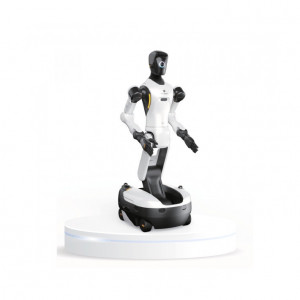
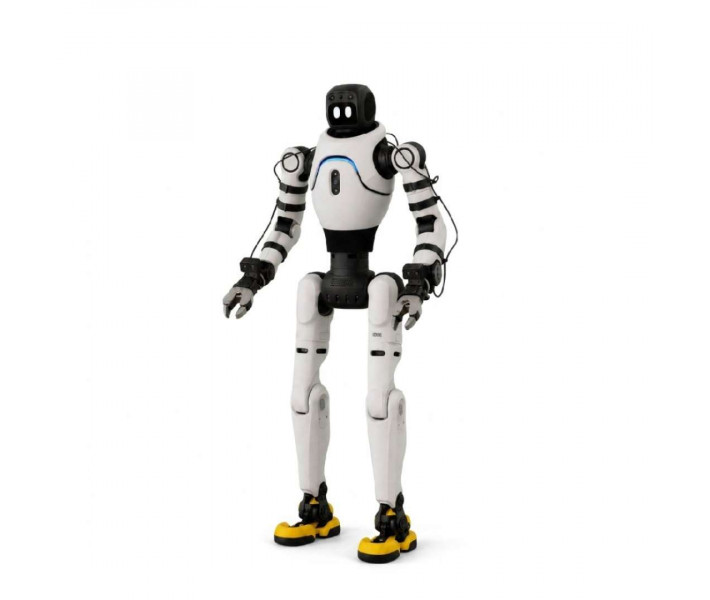
AgiBot X2 REC — a humanoid robot for physical data capture and embodied artificial intelligence training, equipped with 30 degrees of freedom and integrated computing. This system records direct demonstrations through teleoperation to feed action, language and vision models without synthetic intermediaries. Its anthropomorphic architecture makes it easy to collect large volumes of precise joint telemetry in real research environments.
Key features and advantages
- Total degrees of freedom: 30 DoF — Reproduces coordinated whole-body movements across locomotion, torso and limbs.
- Payload capacity: 3 kg per arm — Handles tools and components with sustained dexterity in each upper limb.
- Processing unit: NVIDIA Orin NX 16 GB — Processes massive sensory streams and runs local inference with no external latency.
- Chassis mass: 40 kg — Ensures safe, agile manoeuvres in collaborative laboratories without structural risk.
- Direct generation of physical datasets: Records real demonstrations involving friction and contact to train robust neural networks.
- Multimodal sensory perception: Integrates LiDAR, IMU and distributed cameras to eliminate blind spots during manipulation.
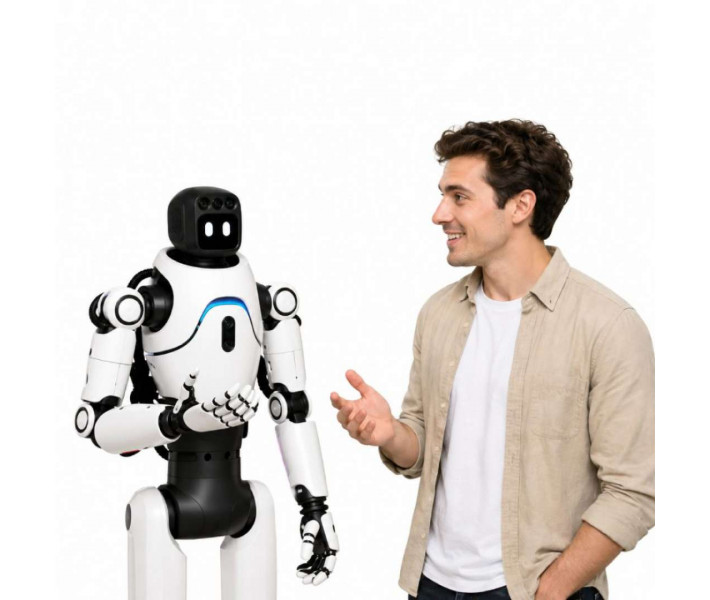
- Synchronous immersive teleoperation: Links virtual reality headsets and motion capture suits to record complete telemetry in real time.
- Direct integration with Genie Studio: Centralises trace import, machine learning and motor policy deployment.
AgiBot X2 REC robot architecture
The structural design of the unit balances a compact anthropomorphic scale of 1310 × 460 × 210 mm with agile kinematic distribution. Its 30 degrees of freedom allow precise coordination between the lower body, spine and upper limbs, optimising dynamic stability in the laboratory.
The platform's mechanical layout favours safe interaction in conventional collaborative research and robotics spaces.
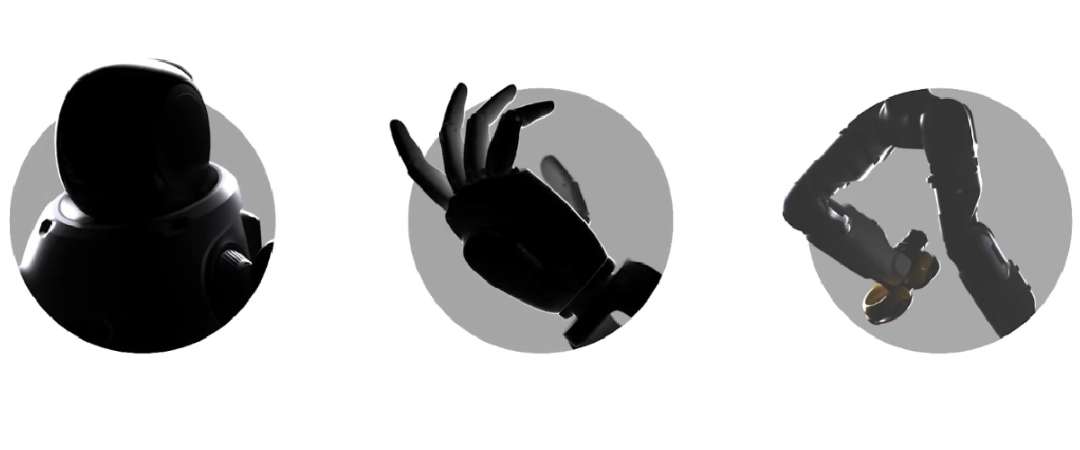
Dexterous manipulation
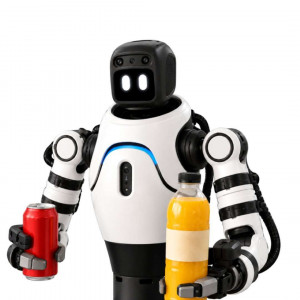
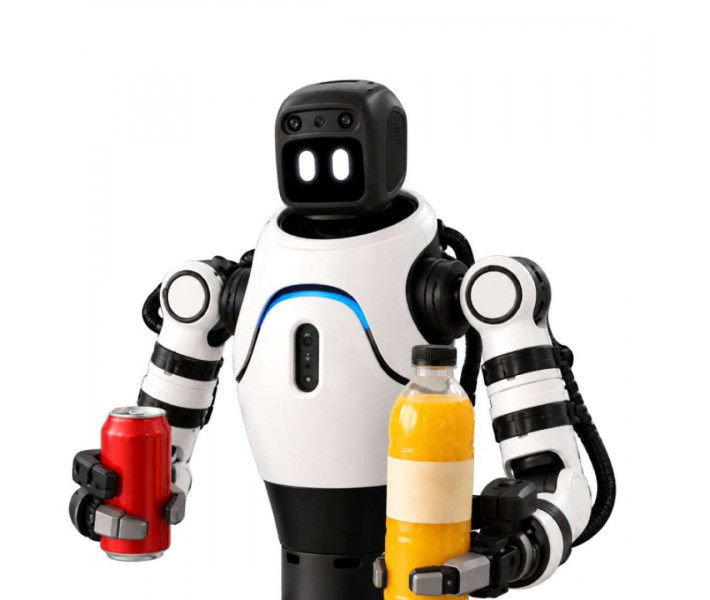
Each upper limb has 7 degrees of freedom and supports a payload of 3 kg per arm, reproducing the kinematics of the human arm without singularity lockups. This mechanical configuration makes it possible to test inverse kinematics algorithms and complex grasps with millimetre precision.
Its dynamic behaviour under physical contact adapts precisely to the requirements of experimenting with everyday or industrial objects.
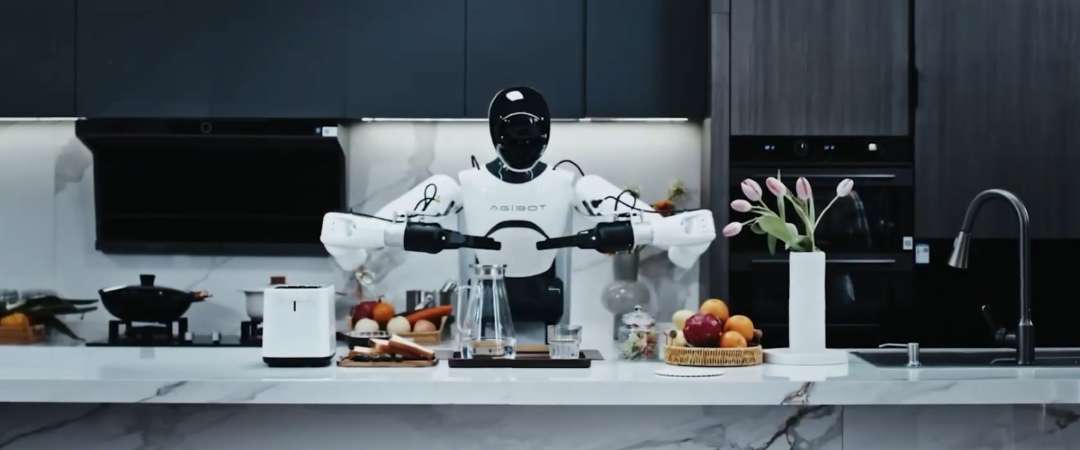
Sensory perception and peripheral vision
The system incorporates RGB sensors, RGB-D cameras, stereo modules, an integrated LiDAR scanner and robotic IMU units. The optical capture devices are strategically located on the head, torso, back and both wrists, offering a complete egocentric perspective without blind spots during manipulation.
This arrangement provides high-fidelity raw data for the autonomous development of odometry, spatial mapping and three-dimensional reconstruction algorithms.
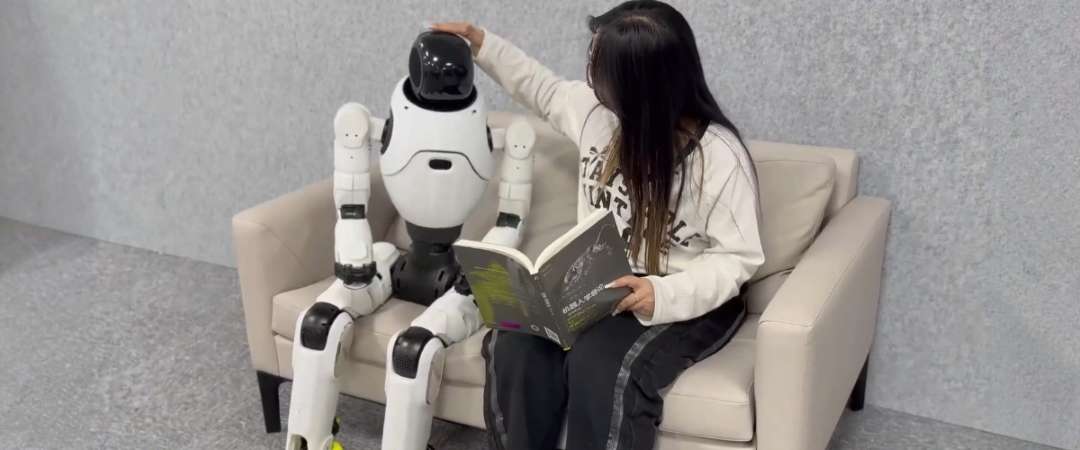
Computing unit and data cycle
An NVIDIA Orin NX processor with 16 GB of computing memory operates on board the chassis, managing continuous sensor acquisition and preliminary inference. Kinematic synchronisation is channelled to Genie Studio, integrating telemetry from virtual reality headsets, dedicated joysticks and mocap suits.
When executing tasks via remote control, the platform synchronously packages joint angles, LiDAR point clouds, inertial acceleration and video sequences to train VLA models directly.
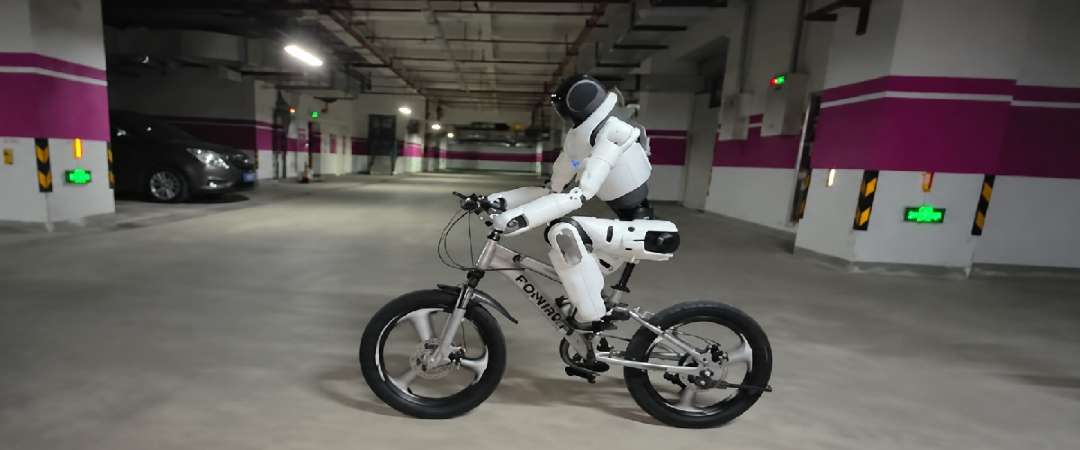
The kinematic response and real-time teleoperation synchronisation can be seen in the system's technical demonstration:
Application areas
- Data mining for robotics: generates kinematic and visual datasets in real environments without the discrepancies of synthetic simulation.
- VLA model training: records synchronous traces linking language, peripheral vision and motor execution trajectories.
- Manual dexterity research: optimises fine grasping policies and bilateral teleoperation on complex parts.
- Computer vision development: calibrates and fuses heterogeneous depth and continuous spatial scanning sensors on dynamic chassis.
- Advanced robotic biomechanics: evaluates postural control schemes and whole-body motor coordination under real physical conditions.
- University and corporate laboratories: speeds up thesis validation and proofs of concept, avoiding the need to develop in-house hardware.
Accessory compatibility
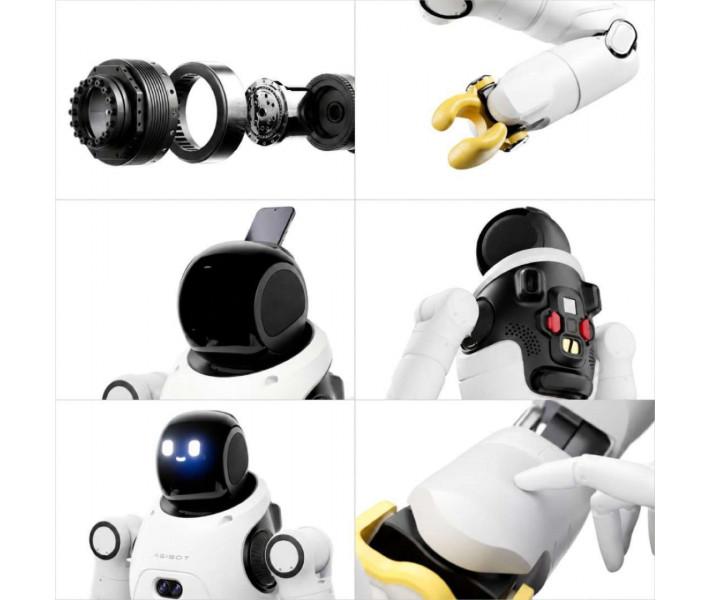
The platform supports direct physical integration with interchangeable end tools and is compatible with OmniHand multi-finger dexterous hands and OmniPicker 3 industrial grippers for specialised grasping tests.
Technical specifications
Chassis, weight and mobility
| Parameter | Value |
| Physical dimensions | 1310 × 460 × 210 mm |
| Total weight | 40 kg |
| Overall degrees of freedom | 30 DoF |
| Degrees of freedom per upper limb | 7 DoF |
| Load capacity per arm | 3 kg |
| Kinematic control | Coordinated whole body |
Sensors, computing and effectors
| Parameter | Value |
| Compatible effectors | OmniHand, OmniPicker 3 |
| Visual sensors | RGB, RGB-D and stereo cameras |
| Optical capture points | Head, torso, rear area and wrists |
| LiDAR sensor | Integrated |
| Inertial unit | Robotics-grade IMU |
| Processing unit | NVIDIA Orin NX |
| Computing memory | 16 GB |
| Software environment | Genie Studio |
| Algorithm compatibility | Proprietary and open VLA models |
| Methodological cycle | Acquisition, training, validation and deployment |
Connectivity and teleoperation
| Parameter | Value |
| Remote control methods | VR headsets, dedicated joysticks, mocap suits |
| Remote operation mode | Full kinematic synchronisation |
Why buy the AgiBot X2 REC from EXPERT3D?
EXPERT3D supplies advanced professional equipment for research centres and technology laboratories. We provide prior technical advice to define the optimal configuration and resolve kinematic compatibility issues according to each project. We guarantee specialised after-sales support and direct technical management to integrate effectors and software seamlessly. We manage supply with official service, spare parts and consumables to ensure the continuity of your robotics tests.