

- Stock: In stock
- Product code: 920372000001458874
- Weight Brutto: 3.00kg

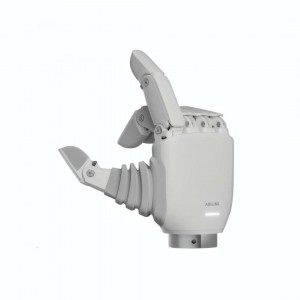
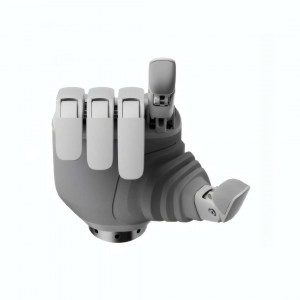
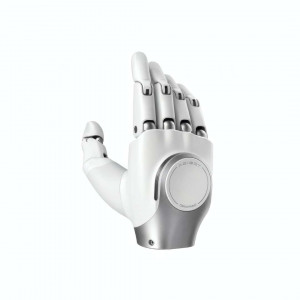
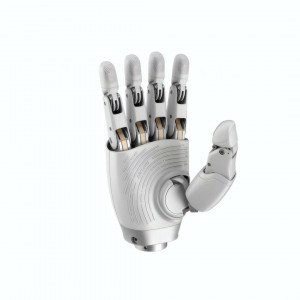
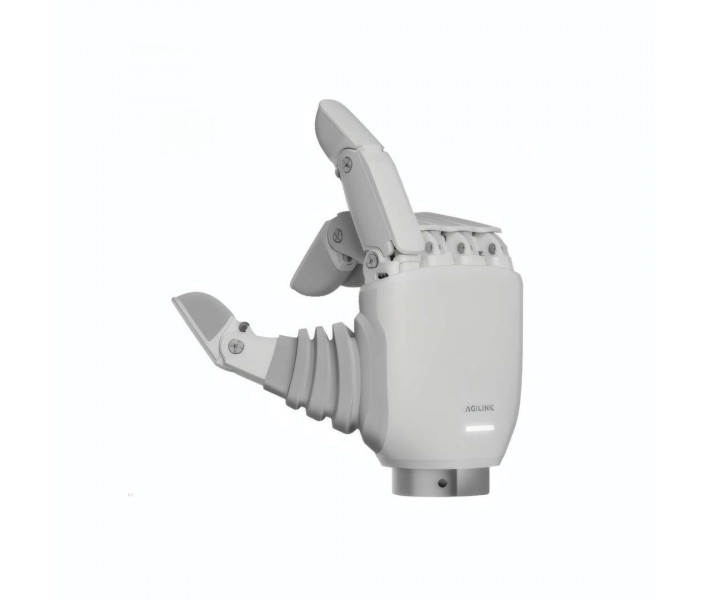
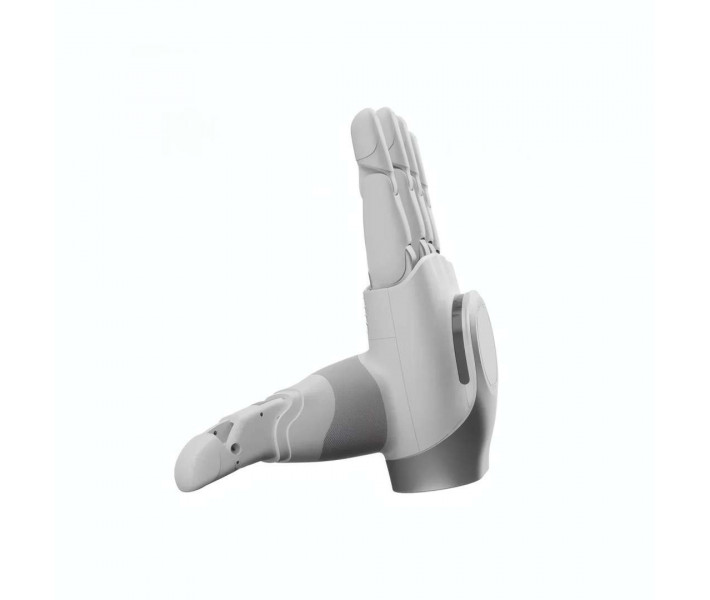
AgiBot OmniHand 3 Lite — a lightweight robotic hand for compact humanoids, with active and passive joints. Its low weight reduces the load and inertia at the end of the arm. A tactile sensor confirms real contact with the object. It also suits mobile manipulators with a robotic arm.
Key advantages and specifications
- Weight: 350 g — The arm joints bear less strain with every movement.
- Degrees of freedom: 4 active + 7 passive — The fingers carry out your commands and adapt on their own when they touch the object.
- Payload: 1 kg — Sets the maximum weight of the objects the hand can handle.
- Tactile sensor: one-dimensional, 0.1 resolution — Detects when the fingers actually touch the part, as well as where they are.
- Metal frame with a silicone layer: a continuous silicone layer protects the internal components when the hand interacts with objects, and the assembly has passed impact and drop tests.
- Dex-UMI compatibility: the hand is used in teleoperation and motion capture for robot research and training.
- Open tools: an open toolset lets you create and test your own control algorithms.
AgiBot OmniHand 3 Lite: weight and kinematics
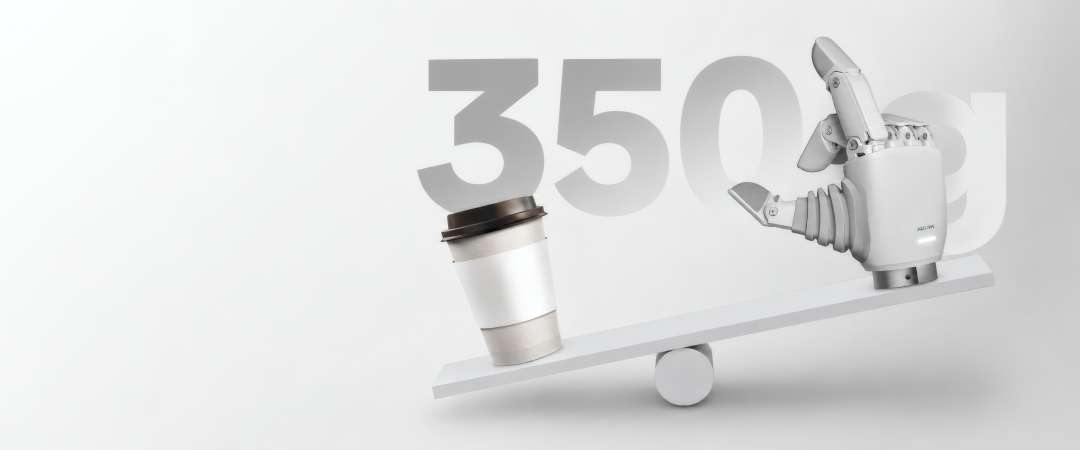
This robotic hand weighs 350 g and is designed for compact humanoids and mobile manipulators. With less mass at the end of the manipulator, the arm works with less inertia and less strain on the joints. Its compact size allows it to be mounted on compact robotic arms, where every gram counts.
The image shows the 350 g hand, the module that is mounted at the end of the arm.
Active and passive degrees of freedom
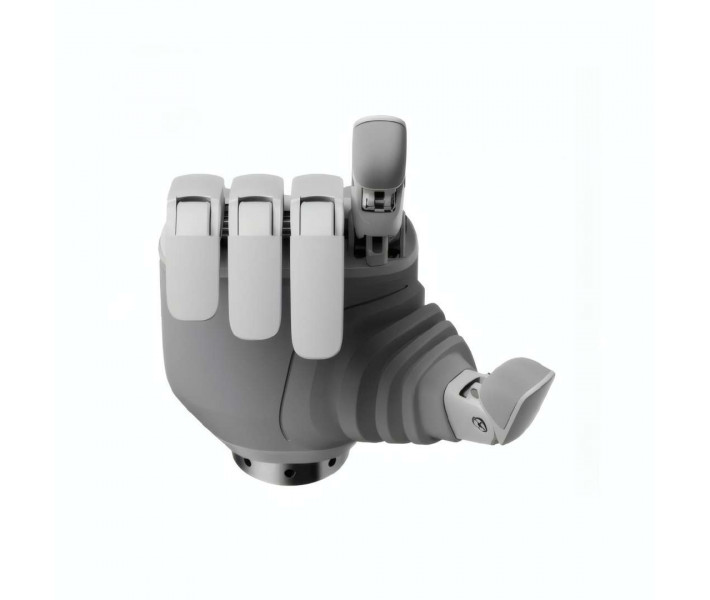
A degree of freedom (DOF) is an independent movement that the hand's mechanics can perform or allow. This hand combines 4 active and 7 passive DOF. The actuators move the active ones following the commands of the control system. The passive ones respond to the design of the joints, the position of the fingers and contact with the object.
With this combination, the fingers conform to the part while you grasp and hold it. You do not have to program every adjustment. This makes it easier to handle objects of very different shapes.
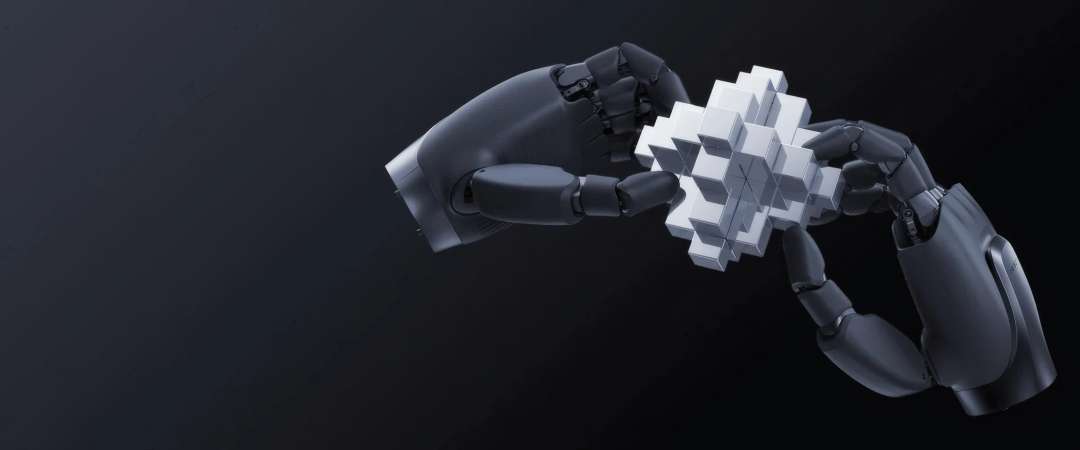
The hands in the image are handling an object with complex geometry, the kind of part with varied shapes that we have just mentioned.
Metal structure and silicone layer
The base of the hand is a high-strength, aerospace-grade metal frame. It provides the rigidity needed to withstand the stresses of active movements.
On the outside, a continuous silicone layer forms a single contact surface. This layer protects the internal components when the hand interacts with objects. The assembly has passed impact and drop tests. It has also passed collision tests.
One-dimensional tactile sensor
The module incorporates a one-dimensional tactile sensor that detects contact with objects, with a resolution of 0.1. Its readings are added to the finger position data. This way you know not only where the fingers are, but also when they actually touch the part.
That moment matters when grasping and holding an object, and also when moving it. The robot's control system can make use of this data in repetitive handling tasks and with parts of varied shapes.
Software and open tools
Development tools
This module supports an open toolset for development and experimental work with robotic systems. You can integrate it into educational projects and laboratory test benches. It is also suitable for in-house developments.
This approach works well for quickly creating prototypes and fine-tuning control algorithms. It is practical for universities and research laboratories. It is equally so for teams developing their own solutions.
Software environment and interfaces
The software environment is ROS 2. The communication interfaces are CAN FD and RS485.
Dex-UMI compatibility
Dex-UMI compatibility allows the hand to be used in teleoperation and motion capture systems. This is useful in research and in robot training. It is also suitable for testing control algorithms.
Speed and repeatability
The typical opening or closing time is 0.5 s. It is a useful reference for assessing how quickly the hand grasps and releases objects, and repeats operations.
Bear in mind that 0.5 s is a typical working value, not a maximum time guaranteed in every cycle. The actual speed depends on the operating mode and the load. The configuration of the robotic system also has an influence.
The positioning repeatability is ±0.5 mm. This value indicates how much the position of the hand varies when the same movement is repeated.
The following video shows a demonstration of the hand's capabilities.
Application areas
- Service robotics: works as the end module of the manipulator in service robots. It handles objects and carries out auxiliary operations.
- Mobile manipulators: installed on mobile platforms with an arm. Its low weight reduces the load on the arm joints.
- Small-format humanoids: provides a lightweight, adaptable hand at the end of compact robotic arms.
- Educational platforms: fits universities and training centres that study robotics and manipulator control. It is also useful for working on interaction with objects.
- Teleoperation and research: thanks to Dex-UMI compatibility, it integrates into teleoperation and motion capture systems for robot research and training.
- Robotic system prototyping: the open tools make it possible to create and test your own control algorithms. They can also be used to set up experimental test benches and validate new working scenarios.
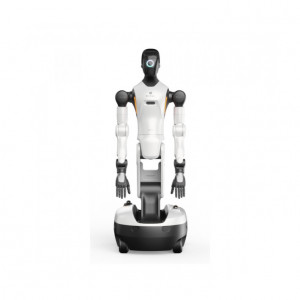
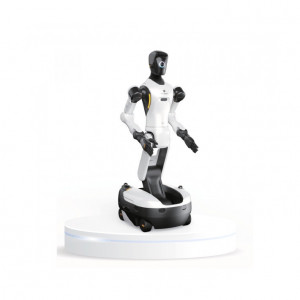
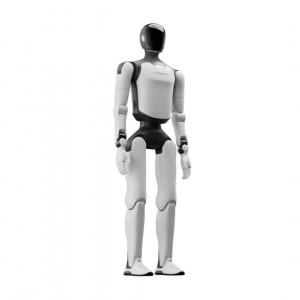
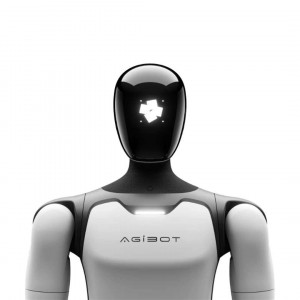
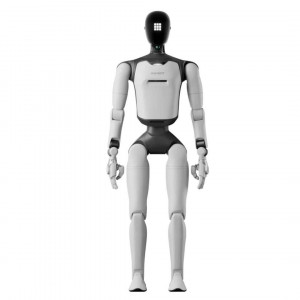
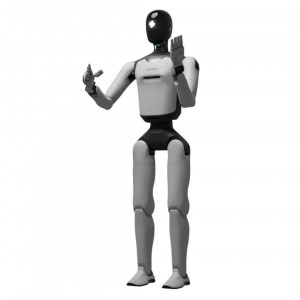
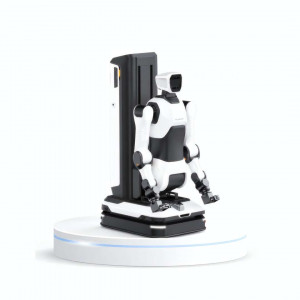
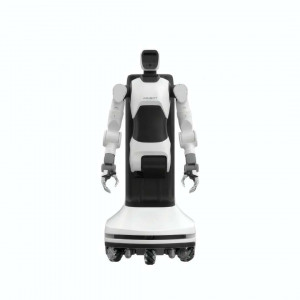
Humanoid robots, like the one in the following image, are one of the platforms this hand is aimed at.

Compatibility and accessories
A wrist camera is available as an optional accessory. Before integrating the hand into a mobile manipulator, check the mounting type, the weight and the net dimensions of 140 × 70 × 32 mm. Also check the permissible load and interface compatibility.
Technical specifications
Movement and load
| Parameter | Value |
| Degrees of freedom | 4 active + 7 passive |
| Payload | 1 kg |
| Typical opening/closing time | 0.5 s |
| Positioning repeatability | ±0.5 mm |
Sensor and communication
| Parameter | Value |
| Tactile sensor | One-dimensional |
| Sensor resolution | 0.1 |
| Communication interfaces | CAN FD, RS485 |
Software and compatibility
| Parameter | Value |
| Control system compatibility | Dex-UMI |
| Software environment | ROS 2 |
| Development tools | Open toolset |
Construction and dimensions
| Parameter | Value |
| Frame material | Aerospace-grade metal frame |
| Outer coating | Continuous silicone layer |
| Net dimensions | 140 × 70 × 32 mm |
| Net weight | 0.350 kg |
Why buy the AgiBot OmniHand 3 Lite here?
We have been supplying professional 3D equipment since 2012. Our specialists offer pre-sales advice and help with setup. After purchase, we provide after-sales support and operator training. We also offer financing and leasing to help you plan your investment. We stock consumables and spare parts for equipment maintenance. Request a consultation and find out whether the AgiBot OmniHand 3 Lite suits your manipulator.