

- Stock: In Stock
- Product code: 00-00011596
- Weight Brutto: 140.00kg

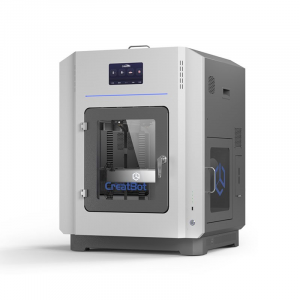
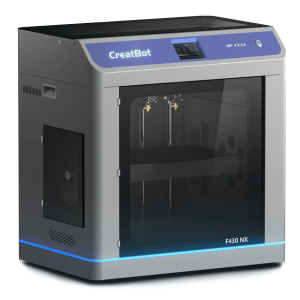
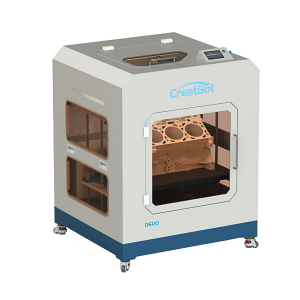
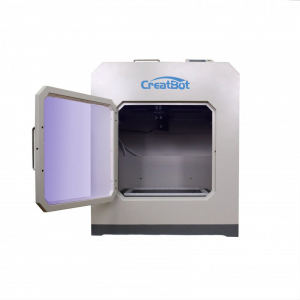
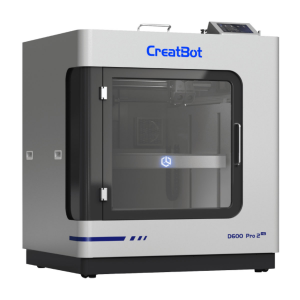
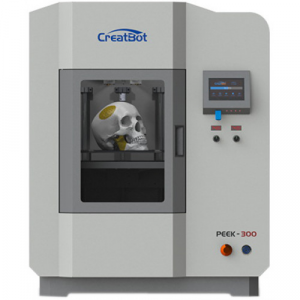
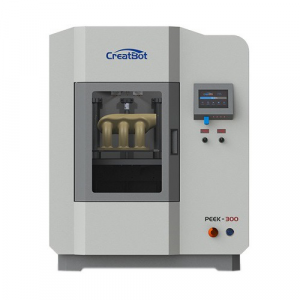
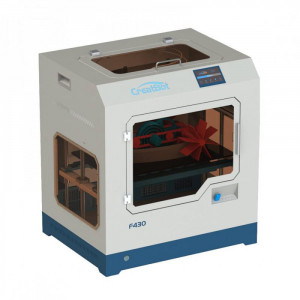
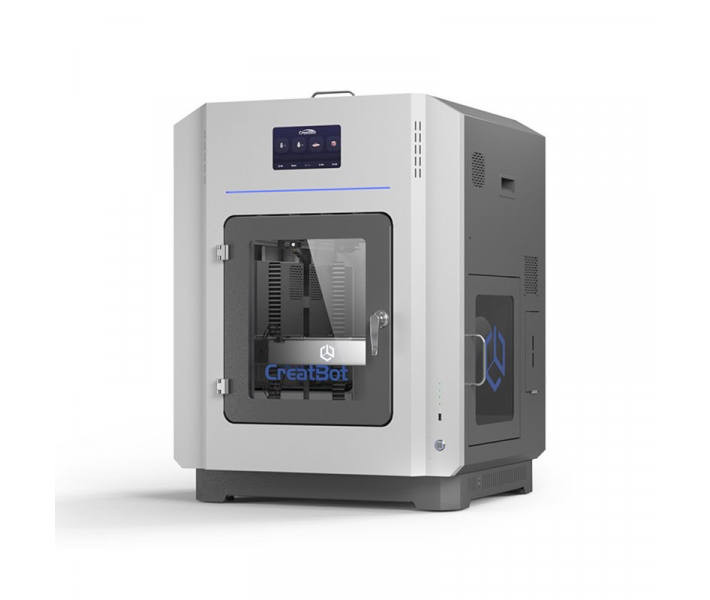
CreatBot PEEK-250 Ultra-High-Temperature 3D Printer
Introducing the new CreatBot PEEK-250 high-temperature 3D printer: a redefinition of industrial-grade 3D printing.
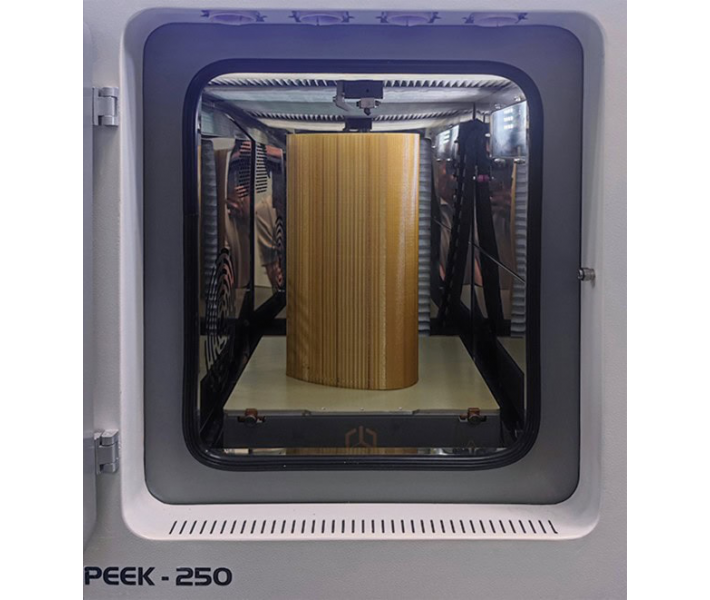
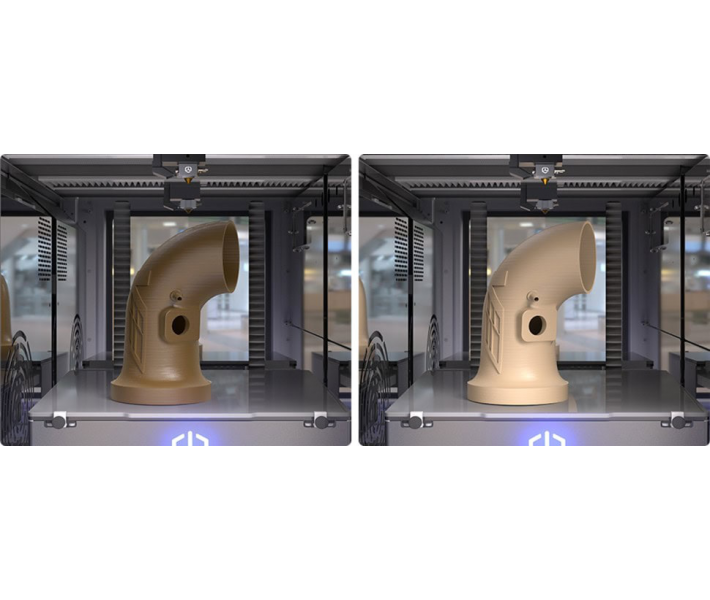
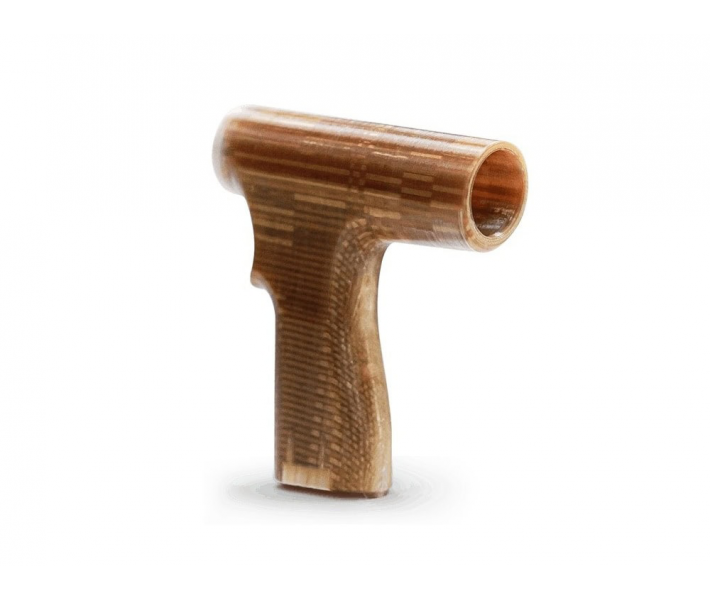
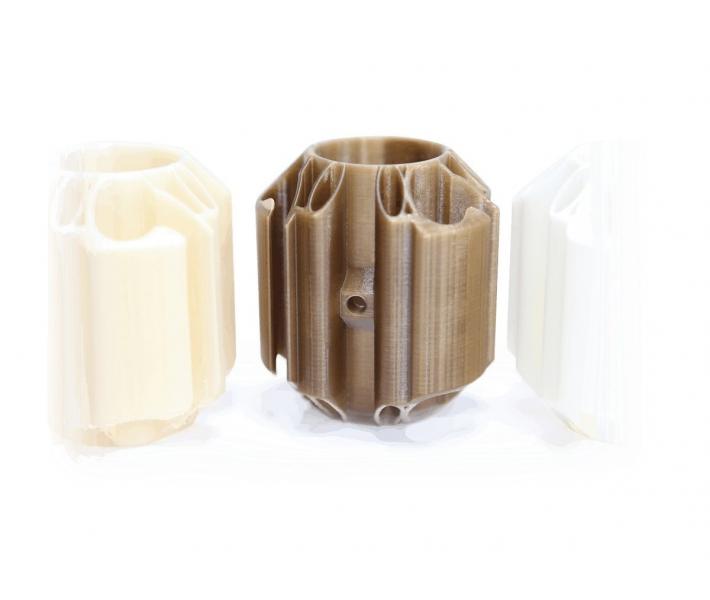
The CreatBot PEEK-250 is an innovative professional-level 3D printer, specifically designed to work with high-temperature engineering materials. The world's first desktop high-temperature 3D printer with a maximum chamber temperature of 200 °C, it handles PEEK, PEI, and other high-performance thermoplastics with ease.
Thanks to its unique design and advanced technologies, it delivers high print accuracy, excellent material adhesion, and a broad range of application possibilities.
Key Features of the PEEK-250
- Build volume: 250×250×300 mm.
- Ultra-high-temperature 3D printer: nozzle – 480 °C, build plate – 200 °C, chamber – 200 °C.
- Positioning accuracy: ±0.012 mm.
- Print speed: up to 200 mm/s.
- Nozzle diameter: 0.4 mm (standard), other options available.
- Water-cooling/thermal insulation system.
- When the heated chamber reaches 180 °C, the exterior surface temperature remains below 40 °C (after 5 hours of heating).
- Chamber heats to 180 °C in just 20 minutes.
Advantages of Printing with a Leading Professional Printer
- Substantial build volume. The generous 250×250×300 mm build volume accommodates large and complex parts.
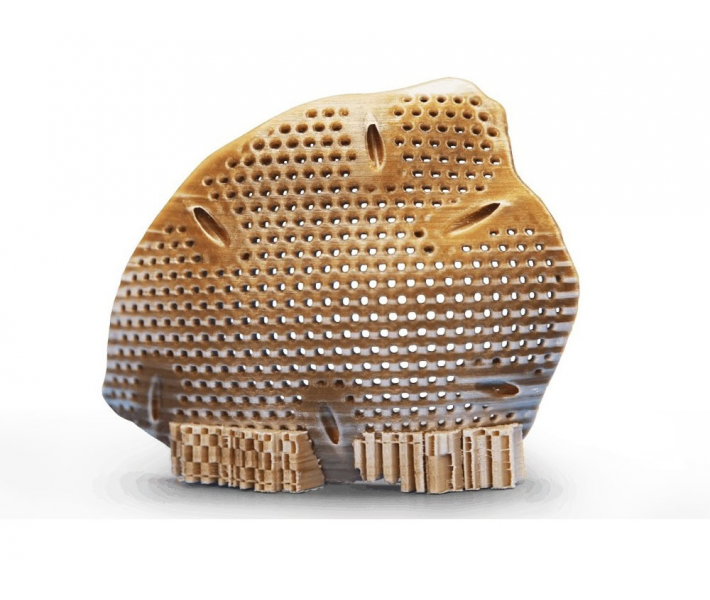
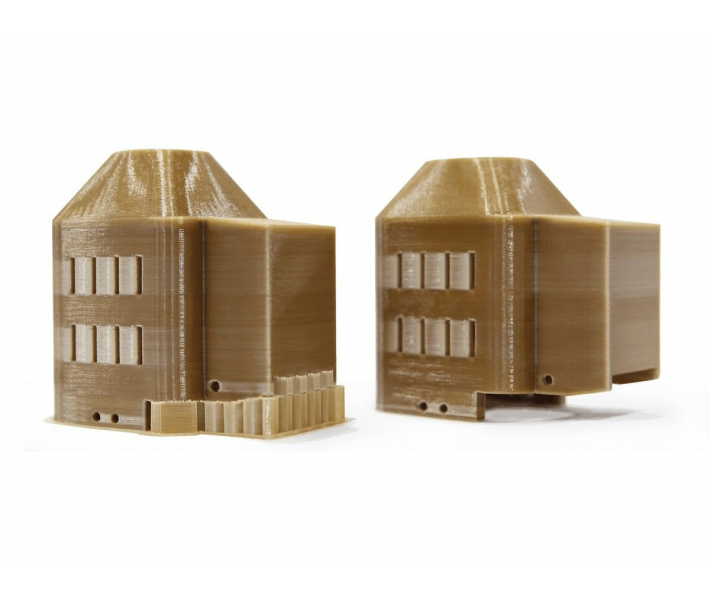
- High-temperature capabilities. Print with a wide range of engineering-grade materials: PEEK, PEI, ULTEM, CF-PEEK, GF-PEEK, PEKK.
- Excellent part quality. High positioning accuracy and temperature stability produce parts with outstanding surface finish and strength.
- Enclosed chamber. Ensures temperature stability within the chamber — essential for printing high-temperature materials.
- Easy to use. An intuitive interface and automated processes simplify operation.
- Unrivalled temperature control. Achieves precise temperature uniformity throughout the entire build chamber for superior part quality.
- Optimised workflow. Take advantage of automated post-processing functions, such as in-chamber annealing, to relieve stress and improve part properties.
- Industrial-grade components. Built for durability and reliability, equipped with a high-torque direct-drive extruder and advanced temperature control.
Applications
- Medicine. Manufacturing of prosthetics, surgical instruments, dental models, and custom implants.
- Aerospace. Prototyping of engine components, avionics, and production of high-performance parts.
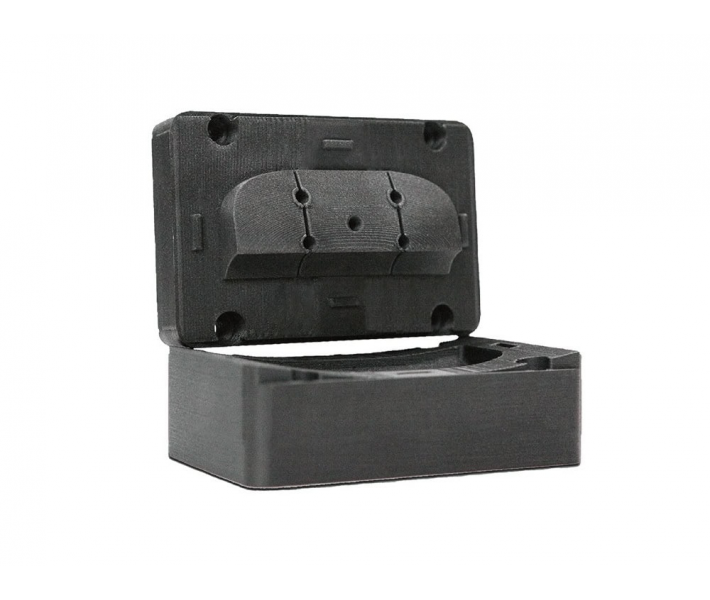
- Automotive. Tooling, part prototypes, and functional prototypes.
- Industrial design. Creation of high-precision models and prototypes.
- Research and development. Study of new materials and applications.
Why Choose the PEEK-250?
- Maximum part quality. The high-temperature chamber ensures optimal material flow and adhesion, resulting in stronger, more durable parts.
- Time savings. Eliminate the need for external annealing ovens thanks to the integrated post-processing capabilities.
- Easy to use. Intuitive controls and a user-friendly interface simplify operation for both beginners and experienced users alike.
Why Is a 180 °C Heated Chamber So Important?
1. An ambient temperature of 180 °C is the temperature required for annealing PEEK material.
Therefore, once the device has printed a PEEK model, it can be annealed directly inside the machine.
Advantages:
- There is no need to remove the model from the build plate to avoid loss of adhesion between the bottom of the model and the plate — which would cause the internal stress of the lower model to lose its platform fixation, leading to deformation of the model's base after post-processing.
- Avoid switching off and cooling the model in order to remove it. There is no exchange between hot and cold environments, which would cause the model to experience a large temperature differential in a short period of time, fixing the internal stress and making effective heat treatment impossible.
- After printing, the annealing process can be configured directly within the printer without delay. For example, it can be pre-set to hold at 180 °C for 5 hours after printing, followed by 120 °C for 5 hours for complete annealing of PEEK parts.
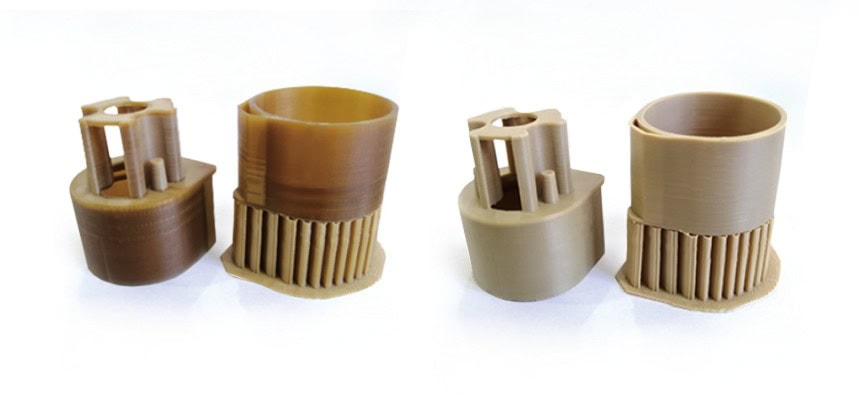
2. 180 °C is the temperature at which PEI material can be printed to perfection.
- Print environment temperature requirements: generally set between 160 °C and 200 °C to ensure the material can be fully extruded and adhered, and to reduce internal stress after moulding, preventing cracking. An ambient temperature of 180 °C is recommended to improve flowability, achieve greater bond strength between lines, and improve heat and chemical corrosion resistance by reducing moulding internal stress.
- PEI has hygroscopic properties and can cause material degradation. The moisture content must be below 0.02%. Drying conditions are 150 °C for 4 hours; drying can be carried out directly within the chamber.
- PEI materials also typically require post-moulding annealing to eliminate internal stress arising during the moulding process. The advantages of direct annealing are the same as for PEEK.
Why Is It So Difficult to Raise the Chamber Temperature to 180 °C?
With the benefit of prior knowledge, we know that a high-temperature chamber is a necessary condition for quality moulding of polymer materials such as PEEK and PEI. But why do large industrial machines struggle to reach a chamber temperature of 180 °C?
70–80 °C is the temperature limit for most printed circuit boards, motors, belts, and other components. Exceeding the ambient temperature will cause these parts to fail. This is why the cavity temperature of common printers is kept at this level.
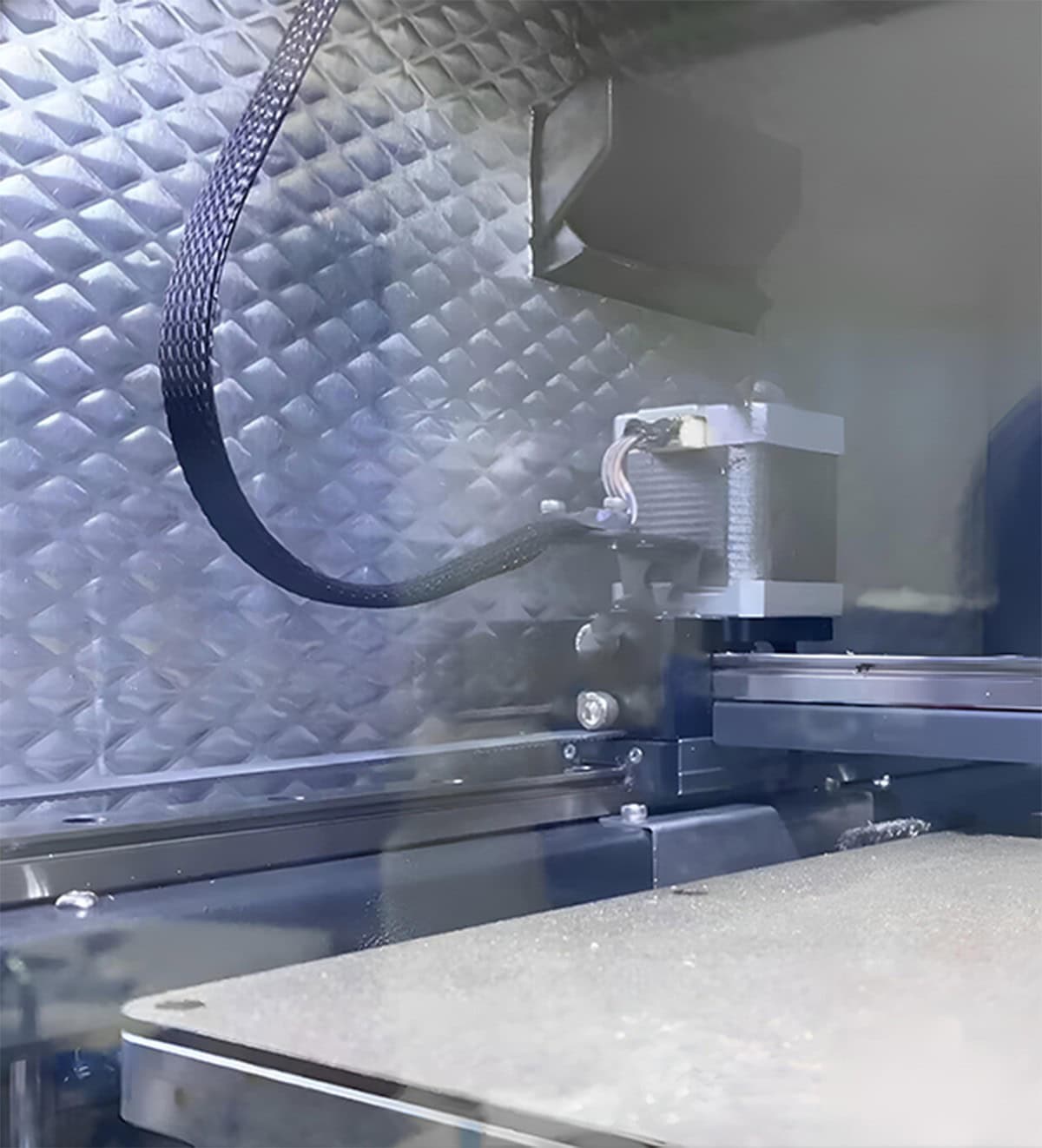
120 °C is the temperature limit for high-temperature motors and belts. At the same time, they must be adequately cooled, shielded, and thermally insulated — or heat-dissipated for circuit components — along with thermal insulation for the cavity.
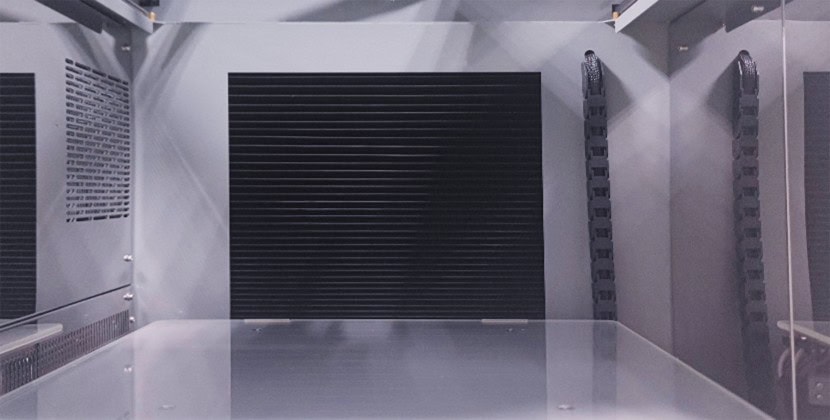
150 °C requires a fully independent enclosed chamber design and thermal insulation design. In addition to thermal shielding and heat dissipation design for all heat-resistant components, long-term durability and heat uniformity of the heating device are also required. A multi-layer thermal insulation design of the equipment housing is likewise necessary.
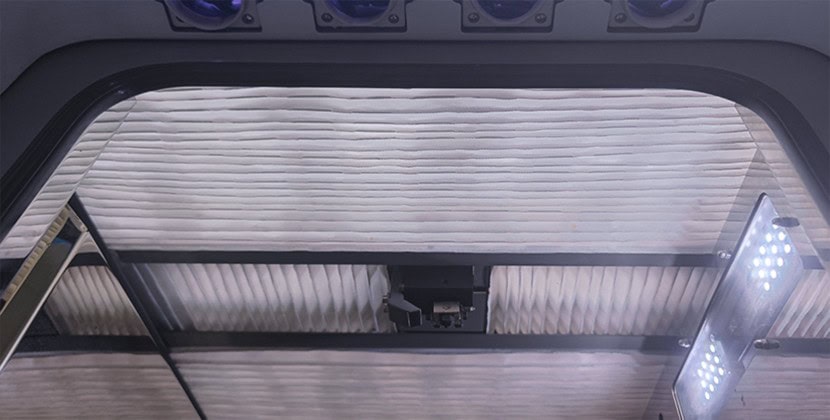
For an ambient temperature of 180–200 °C, an aerospace-grade thermal insulation protective cover is also required. The excellent aerospace thermal insulation material can completely isolate the air below and above the nozzle, as well as circulate and replace the hot air accumulated in the upper cavity with hot air from the housing under balanced pressure. This ensures that the exterior temperature of the housing meets safety standards for human use.
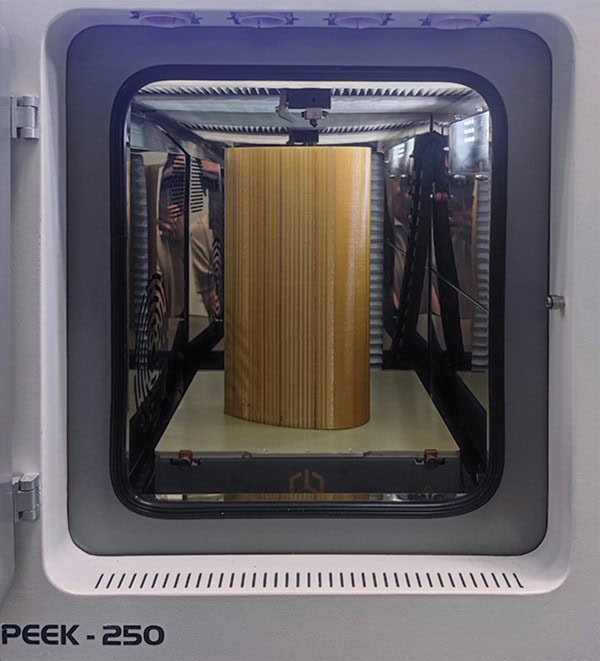
Ultra-High-Temperature Extruder System
Equipped with a dual-tooth silicon carbide extruder, it features high torque, exceptional wear resistance, and zero step loss. It can print all filaments at temperatures below 500 °C, including carbon fibre and glass fibre materials.
A water-cooling device is required — this is the key to smooth printing of high-temperature filaments. The hotend is an injection-moulded wear-resistant integrated nozzle that can be replaced in 30 seconds without removing any other parts or screws.
Thermally Uniform 200 °C Chamber
A specially designed baffle device allows hot air to circulate 360° within the cavity, ensuring uniform heating throughout, so that the polymer material model crystallises uniformly at any angle and achieves an ideal form.
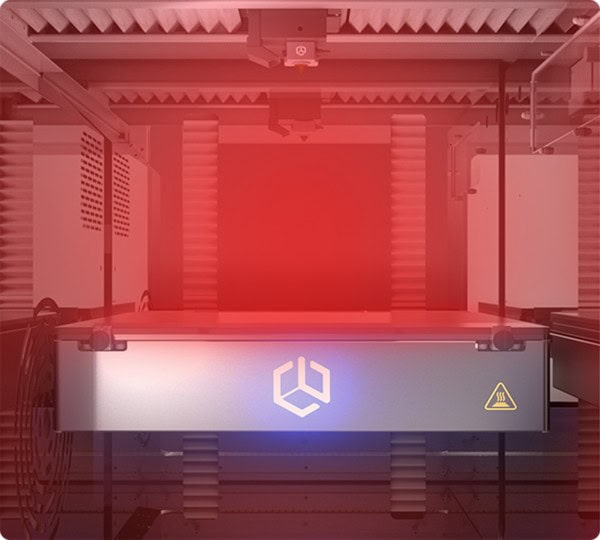
Excellent Chamber Thermal Insulation and Safety
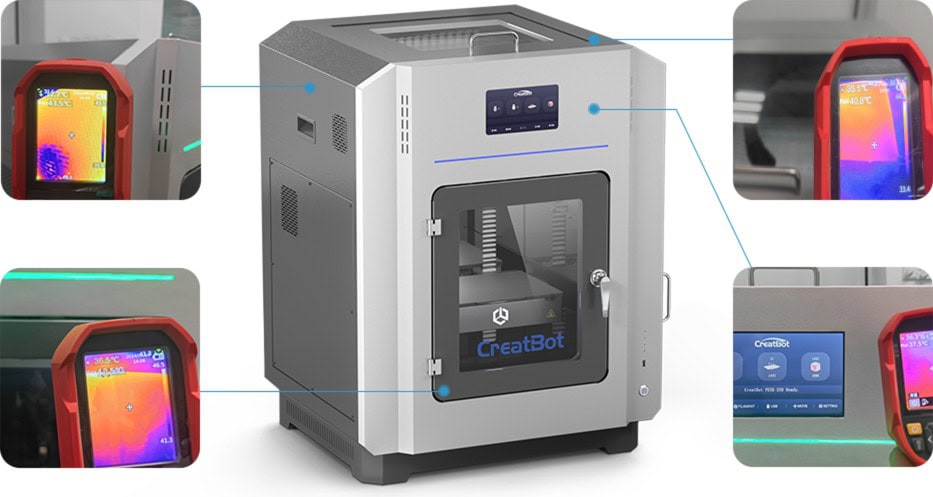
This professional-grade machine is the first to use an aerospace-grade thermal insulation protective cover. Thanks to its intelligent design, multi-channel heat dissipation, custom high-temperature-resistant components, and multi-layer thermal insulation materials, when the chamber temperature reaches 180 °C, the temperature of the front door, top door, screen, housing, and side panels remains within 40 °C — ensuring user safety.
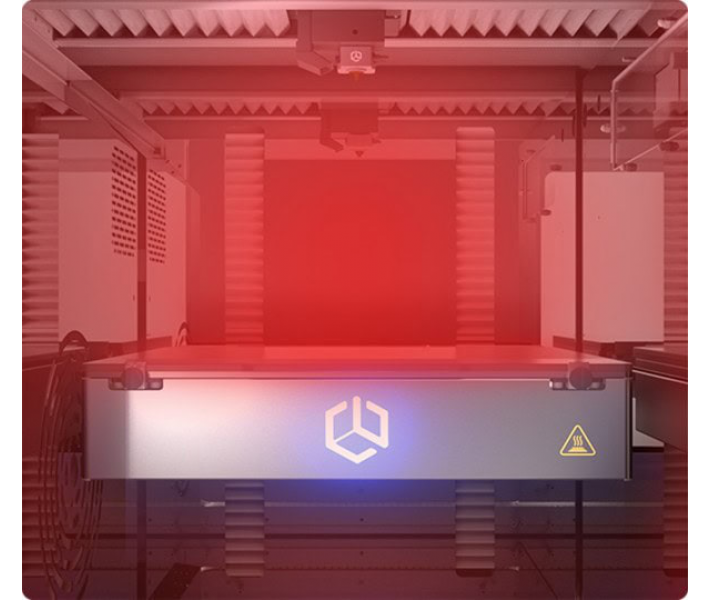
200 °C High-Temperature Build Plate
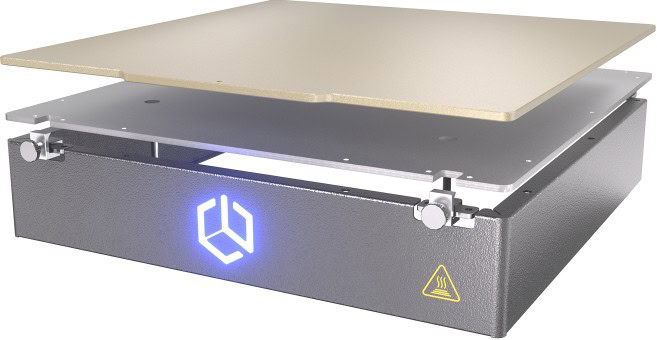
- Aerospace-class ultra-flat build plate + polymer coating.
- Natural flatness of 0.05 mm.
- High-temperature flatness of 0.1 mm (chamber temperature 180 °C).
- No manual or automatic levelling required, avoiding manual levelling or sensor failure under high-temperature conditions.
All-in-One Annealing Function
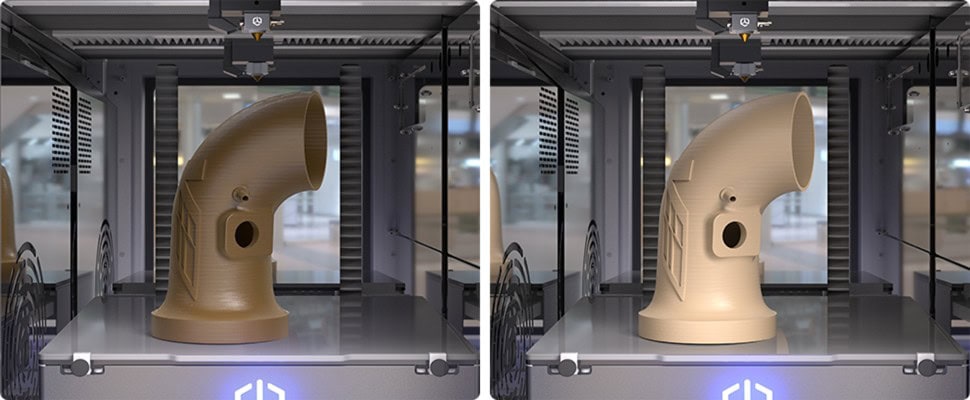
After printing the model, there is no need to remove it from the build plate, cool it naturally, or anneal it in a separate annealing oven.
You can pre-select the "direct annealing after printing" function on the screen for the appropriate material, such as PEEK, PEI, etc. You can also adjust the built-in annealing temperature and time in the settings to achieve one-click annealing.
Technical Specifications
| Build volume | 250×250×300 mm |
| Filament diameter | 1.75 mm |
| Number of extruders | 1 |
| Nozzle diameter | 0.4 mm (0.3 ~ 1.0 mm available) |
| Material compatibility | PLA, ABS, ASA, PC, Nylon, PETG, PVDF, carbon fibre; PET-CF, PET-GF, UltraPA, UltraPA-GF, UltraPA-CF, PPSU; PEI (full ULTEM™ range), PEEK, PEEK-CF (carbon fibre), PEEK-GF (glass fibre), PEKK, etc. |
| Max. nozzle temperature | 480 °C |
| Chamber temperature | 200 °C |
| Max. build plate temperature | 200 °C |
| Optimal print speed | 55 mm/s |
| Max. print speed | 200 mm/s |
| Cooling | Air pump cooling and water cooling |
| Build plate | Aluminium PCB + PEEK printed circuit board |
| Positioning accuracy | XY 0.0127 mm, Z-axis 0.00125 mm |
| Extruder | Direct drive |
| Machine design | Fully enclosed heated chamber |
| Special features | Power failure recovery. Filament detection (pauses print when filament runs out). |
| Thermal insulation | Three-layer insulation + active air cooling (chamber temperature reaches 180 °C, exterior surface temperature below 40 °C) |
| High-temperature accessories | High-temperature-resistant motors, linear guides, belts, and circuits for extended high-temperature printing |
| Door cooling | Active air cooling |
| Software | Creatware, Simplify3D, Cura, Slic3r |
| Operating systems | Windows (all), macOS |
| Print file types | STL, OBJ, AMF, Gcode |
| Input power | 200V–240V, 20A |
| Rated power | 2500 W |
| Display | 7" full-colour touchscreen, multilingual |
| Connectivity | USB connection / USB drive |
| Machine dimensions | 630×555×815 mm |
| Weight | 120 kg |