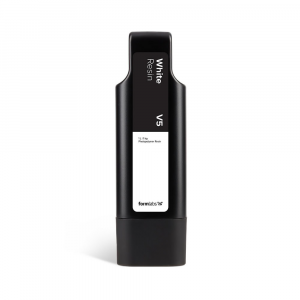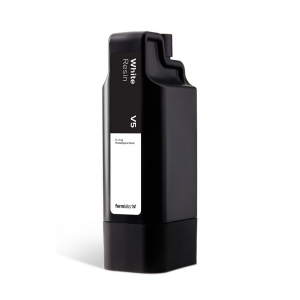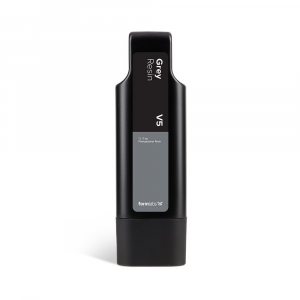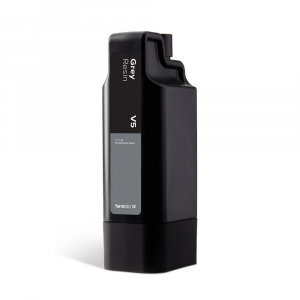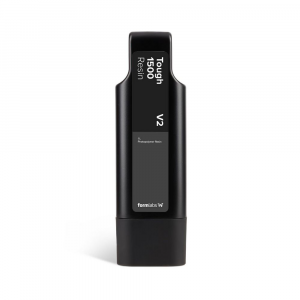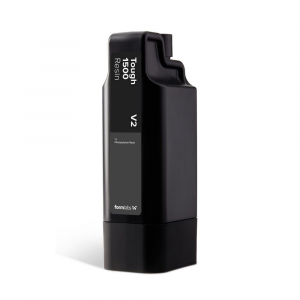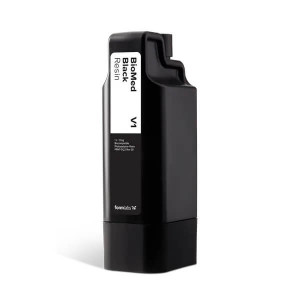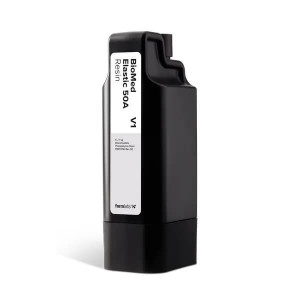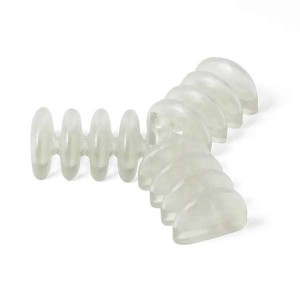


- Stock: In Stock
- Product code: 00-00011361
- Weight Brutto: 1.50kg
- SKU: RS-C2-SI40-01

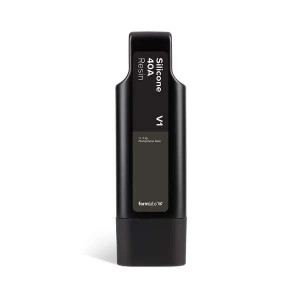
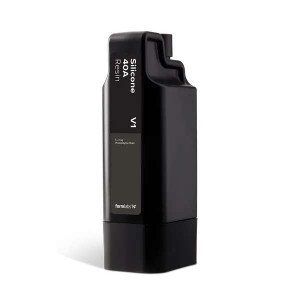
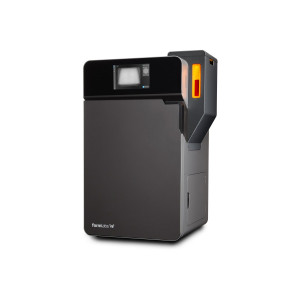
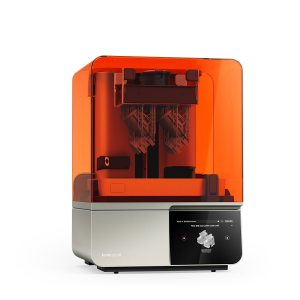
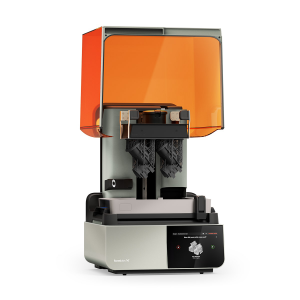
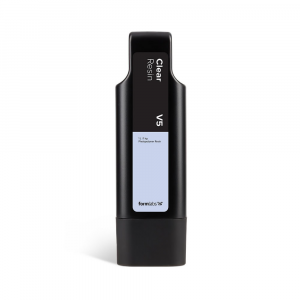
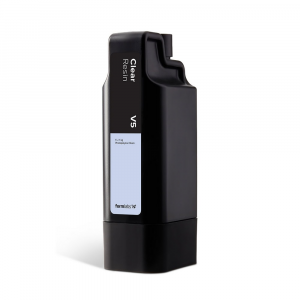
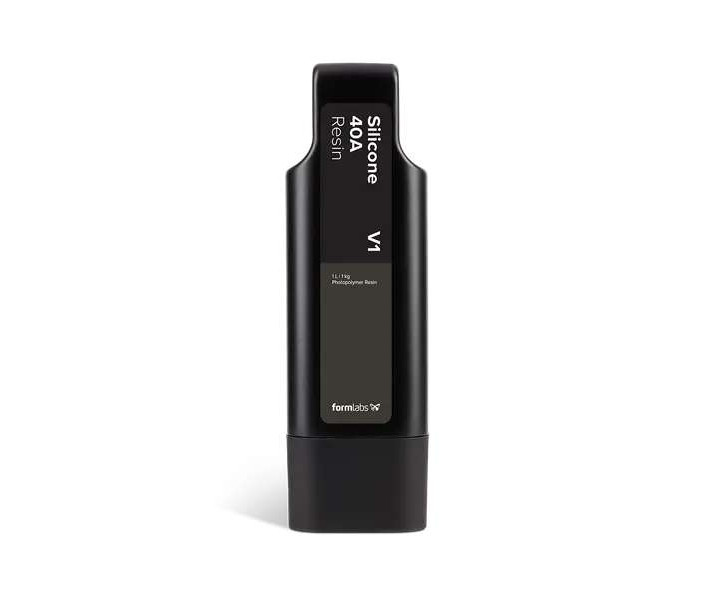
Unlock True Elastomeric Production with Formlabs Silicone 40A Resin Form 4, 1 L
Break free from the limitations of traditional casting and moulding. The Formlabs Silicone 40A Resin Form 4, 1 L is the industry's first accessible solution for printing 100% pure silicone in-house. By leveraging Formlabs' Pure Silicone Technology™ (patent pending), this material eliminates the need for costly moulds and labour-intensive pouring processes, enabling you to produce soft, flexible, and chemically resistant parts in a matter of hours, not days.
Real Silicone Performance, No Compromises
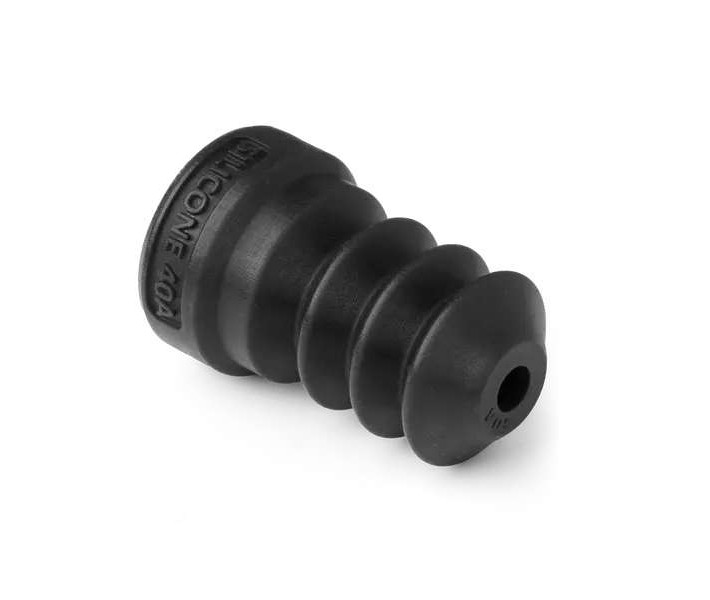
Unlike other elastomeric resins that merely simulate rubber-like properties using acrylates, this material is genuine silicone. It offers a Shore 40A hardness, delivering the tactile softness and flexibility required for end-use parts. With an impressive elongation at break of 230% and a tear resistance of 12 kN/m, parts printed with the Formlabs Silicone 40A Resin Form 4 can withstand repeated cycles of stretching, bending, and compression without failure. This makes it superior for dynamic applications where "rubber-like" photopolymers often crack or degrade over time.
Engineering-Grade Durability and Resistance
Engineers choose this resin for its exceptional stability in demanding environments. It maintains optimal performance across a wide thermal range, from -25°C to 125°C, and exhibits excellent chemical resistance. Whether you are prototyping automotive seals exposed to heat and fluids, or manufacturing custom gaskets, the material properties remain isotropic and reliable. This thermal stability also opens the door to producing masking tools and fixtures used in industrial painting or coating processes.
Design Freedom and Complex Geometries
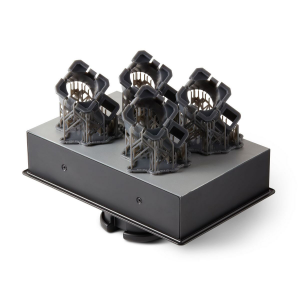
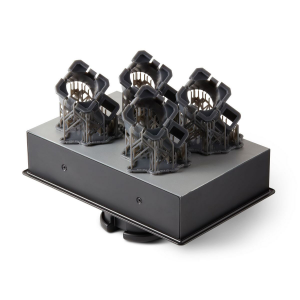
The additive nature of SLA printing with the Formlabs Silicone 40A Resin Form 4, 1 L allows you to create geometries that are physically impossible to mould. You can design internal channels, lattice structures, and fine features as small as 0.3 mm. This capability is critical for producing advanced soft robotics, custom audiology models, and intricate dampers that traditional moulding cannot achieve due to undercuts or draft angle limitations.
Workflow and Post-Processing Requirements
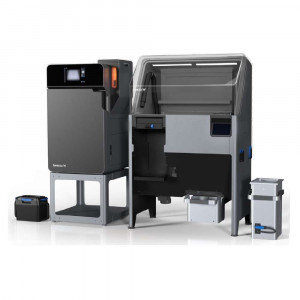
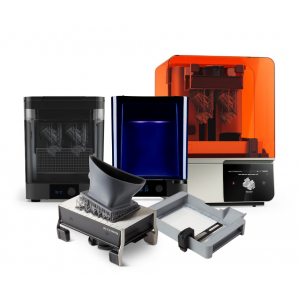
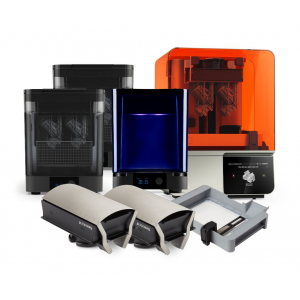
To achieve the material's full mechanical potential, specific post-processing protocols are required. Printing requires a dedicated build platform and resin tank to prevent cross-contamination. Washing involves a specialist solvent mixture (80% IPA and 20% n-butyl acetate) or specific ultrasonic cleaning methods to ensure the tacky surface is fully resolved. Post-curing is carried out by submerging the part in water to inhibit oxygen exposure, ensuring a fully cured, tack-free surface ready for end use.
Ideal Applications
This material is designed for functional prototyping and low-volume manufacturing across industries ranging from healthcare to consumer goods. Common use cases include:
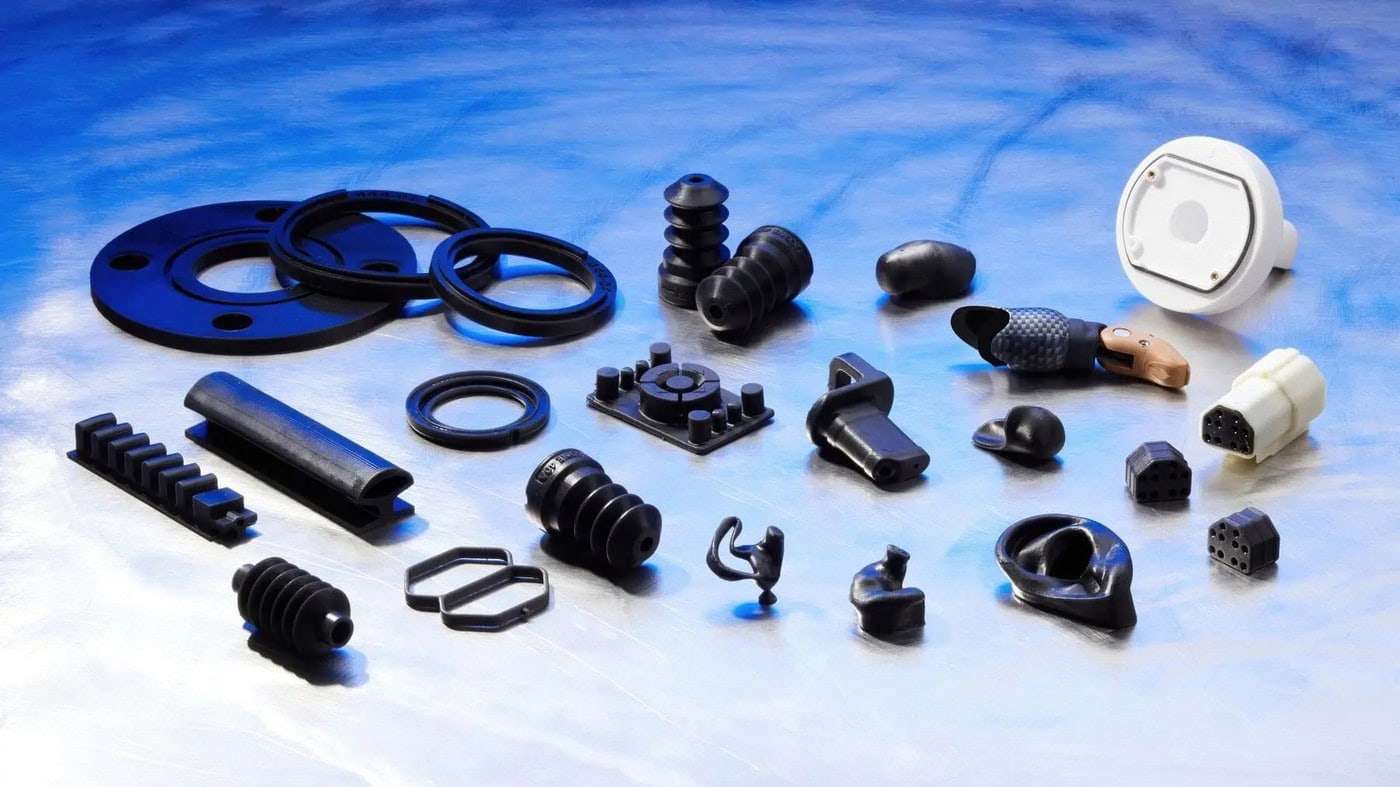
- Seals and Gaskets: Custom grommets, O-rings, and connectors for fluid handling systems.
- Wearable Technology: Skin-safe wristbands, headphone components, and ergonomic grips (Biocompatible per ISO 10993).
- Medical Devices: Patient-specific prosthetics, orthoses, and anatomical models.
- Soft Robotics: Actuators, grippers, and flexible sensor housings.
Technical Specifications: Silicone 40A Resin Form 4
| Technical Properties Data Sheet | |
|---|---|
| Mechanical Properties (Post-Cured) | |
| Ultimate Tensile Strength | 5 MPa / 725 psi ASTM D412-06 Type C |
| Elongation at Break | 230% ASTM D412-06 Type C |
| Tear Resistance | 12 kN/m / 68 lb/in ASTM D624-00 Type C |
| Stress at 50% / 100% / 150% | 0.4 MPa / 1 MPa / 2.1 MPa Respectively (ASTM D412-06) |
| Compression Set | 20% ASTM D395-03 (B) – 23 °C for 22h |
| Bayshore Resilience | 34% ASTM D2632 |
| Ross Flex Fatigue (23 °C / -10 °C) | > 500,000 cycles ASTM D1052 (60° Flex, notched) |
| General and Thermal Properties | |
| Shore Hardness / Colour | 40A / Dark Grey |
| Viscosity (@ 35 °C) | 7800 cP |
| Glass Transition Temperature (Tg) | -107 °C / -161 °F ASTM D4065 |
| Thermal Stability | Rubbery plateau observed up to 180 °C |
| Certifications and Outgassing | |
| Biocompatibility (ISO 10993) | Passes: Non-cytotoxic (-5), Non-irritant (-23), Non-sensitising (-10) |
| Outgassing (ASTM E595) | TML: 1.34% | CVCM: 0.61% | WVR: 0.2% |
| Solvent Compatibility (Weight Gain after 24h) | |
| High Resistance (< 1%) | Water (Distilled/Saline), Bleach, Acetic Acid, Hydrochloric Acid, Hydrogen Peroxide, Sodium Hydroxide. |
| Moderate Resistance (1% – 15%) | Mineral Oil (1.6%), Diethyl Ether (2.5%), Isopropyl Alcohol (5.9%), Hydraulic Oil (10%), Acetone (11.5%). |
| Low Resistance / Incompatible | Skydrol 5 (23.2%), Diesel (32.9%), Petrol (69.8%), Butyl Acetate (92.3%). |
*Note: Properties were obtained from parts printed on a Form 3 at 100 µm settings, washed in 80% IPA / 20% Butyl Acetate for 20 minutes, and post-cured submerged in water at 60 °C for 30 minutes.
At EXPERT3D, we have been at the forefront of the Additive Manufacturing industry since 2012. As an official Formlabs reseller, we guarantee the best price, authorised service, and official warranty on all products. By choosing us, you benefit from the support of a dedicated team of experts committed to the success of your production.