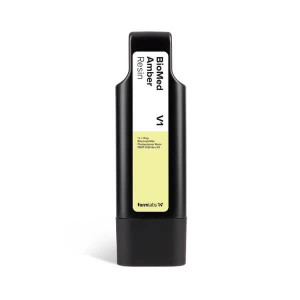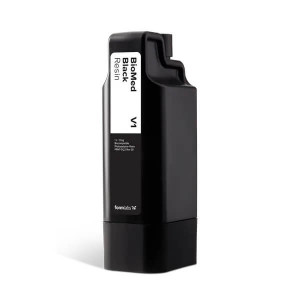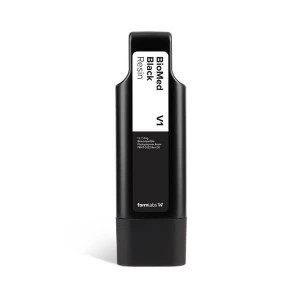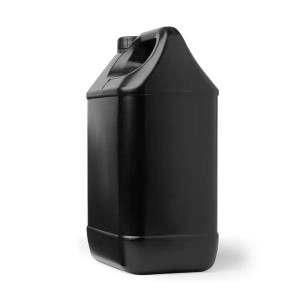


- Stock: In Stock
- Product code: 00-00000255
- Weight Brutto: 5.50kg
- SKU: RS-F2-AL4N-01

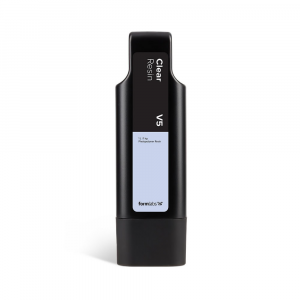
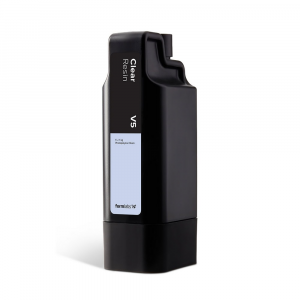
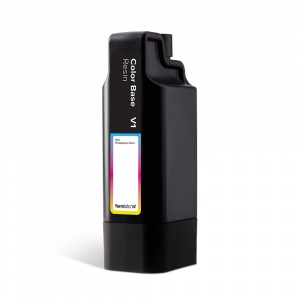
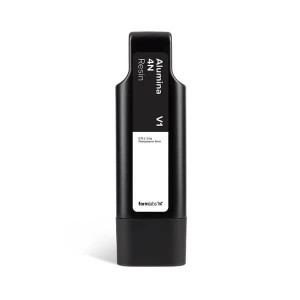
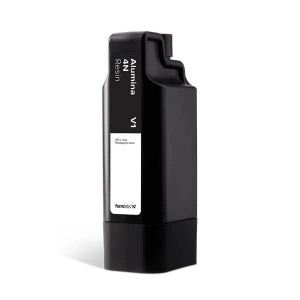
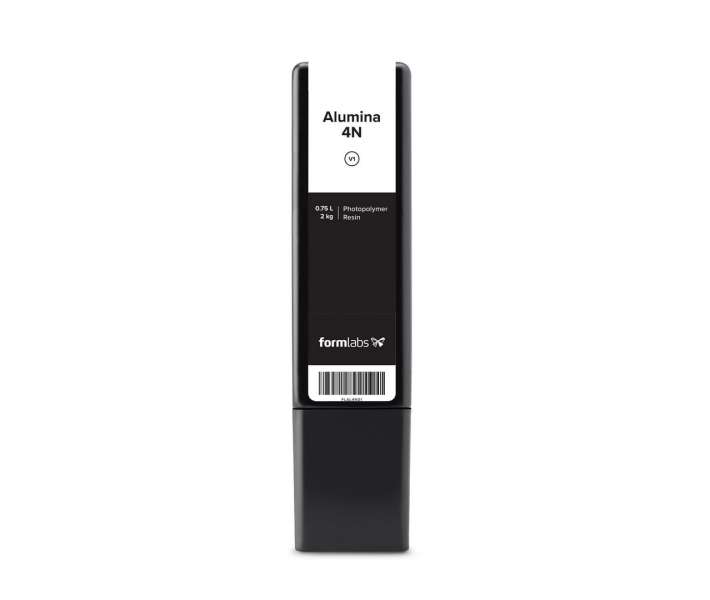
Buy Formlabs Alumina 4N Ceramic Printing Resin
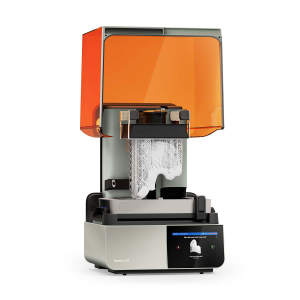
At EXPERT3D, you can purchase Alumina 4N resin — the innovative Formlabs material that makes 3D printing of technical ceramic parts more accessible than ever for your business.
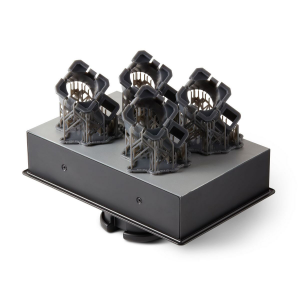
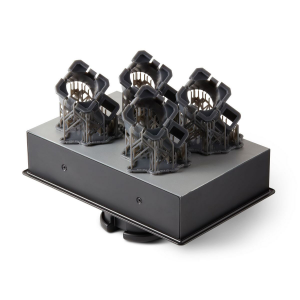
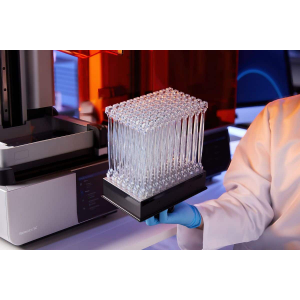
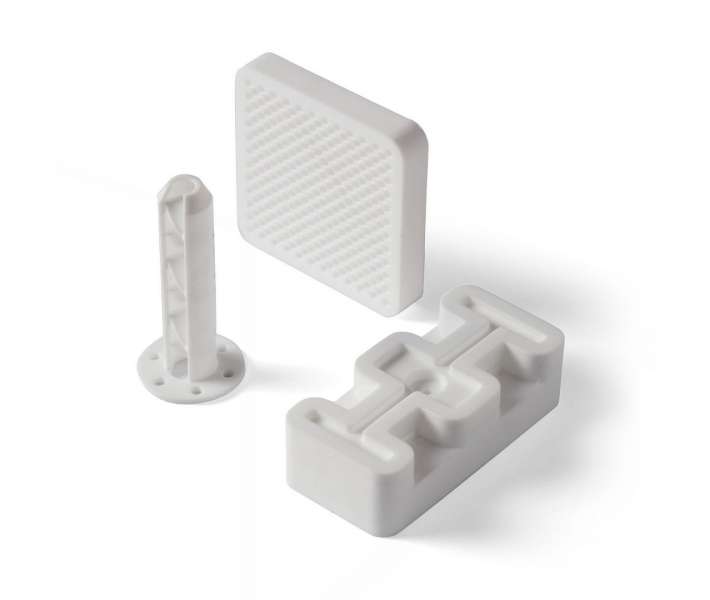
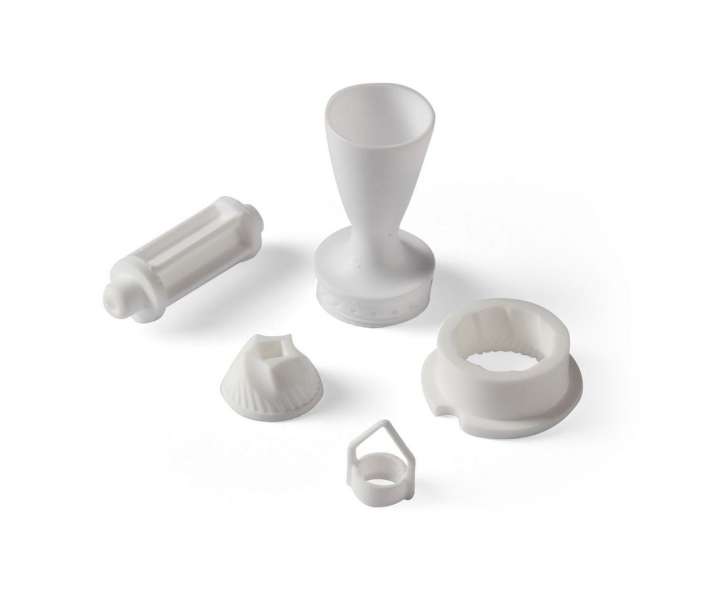
Formlabs Alumina 4N Resin is a high-density, high-purity technical ceramic material, designed for the precise 3D printing of high-performance components that must operate under extreme conditions*.
*This material requires a post-firing stage to be transformed into real ceramic.
Advantages of 3D Printing with Ceramic Resin
This material is heat-resistant, extremely hard, abrasion-resistant, mechanically robust, and chemically inert. With it, you can manufacture complex-geometry parts for your production facility, chemical laboratory, workshop, or foundry at a significantly lower cost.
Leave behind expensive traditional tooling and moulds. Embrace geometric freedom, reduce your manufacturing costs, and accelerate your entire product development cycle.
- Maintains a flexural strength of 400 MPa
- Maximum service temperature: 1500 °C
- Hardness HV10: 1370
- Young's Modulus: 380 GPa
- 99.99% purity and 98.6% relative density
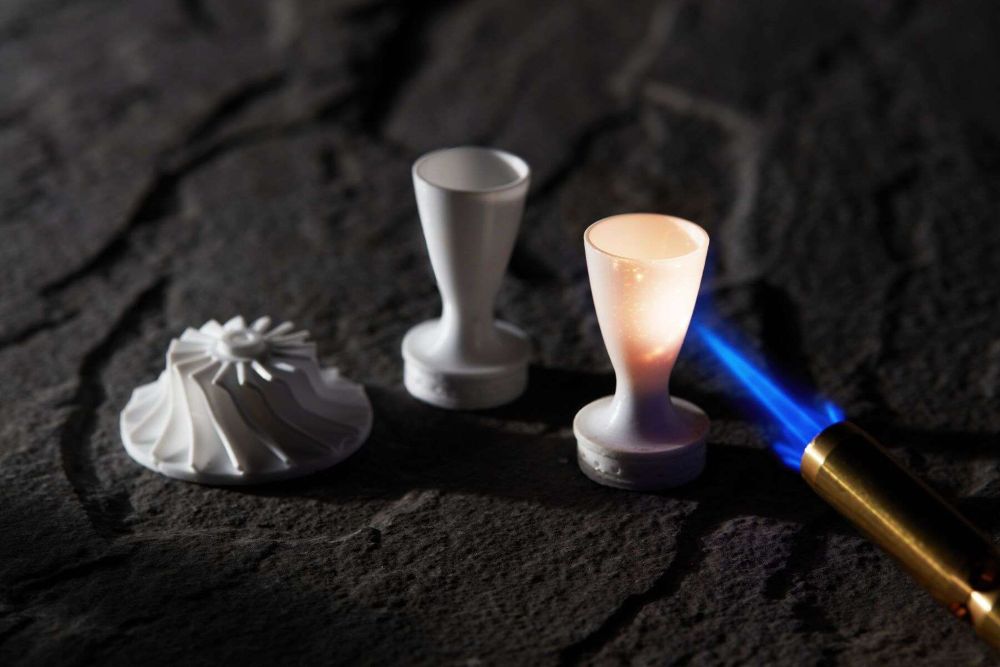
A New Era for Accessible Technical Ceramics
Alumina 4N resin has been developed to meet the technical demands of the high-end engineering market.
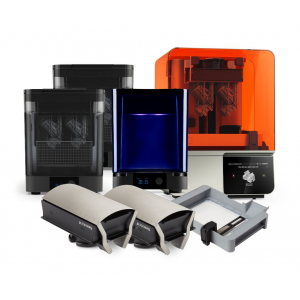
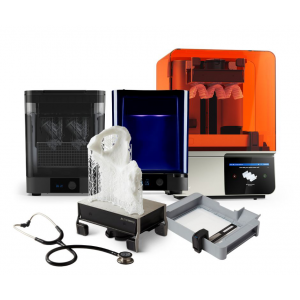
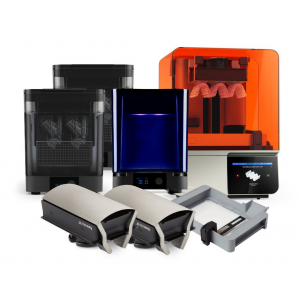
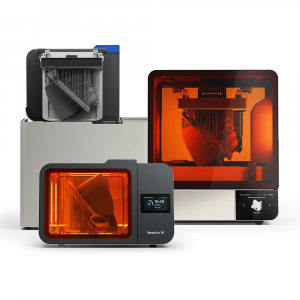
Every component of the system is designed to work in harmony with the resin: from printing through to post-processing, burnout, and achieving the final material properties. This ecosystem enables the production of aluminium oxide parts with complete design freedom and minimal lead times — all at a fraction of the cost of leading market alternatives.
Many industrial sectors rely on technical ceramics for their excellent thermal, electrical, and chemical performance. Until now, the barriers were cost and the slow pace of traditional manufacturing. With Alumina 4N Resin, any professional can integrate ceramic 3D printing into their processes without needing to invest hundreds of thousands of euros in specialist machinery. Thanks to Formlabs' SLA technology, ceramic projects that were once out of reach are now within everyone's grasp.
Key Applications
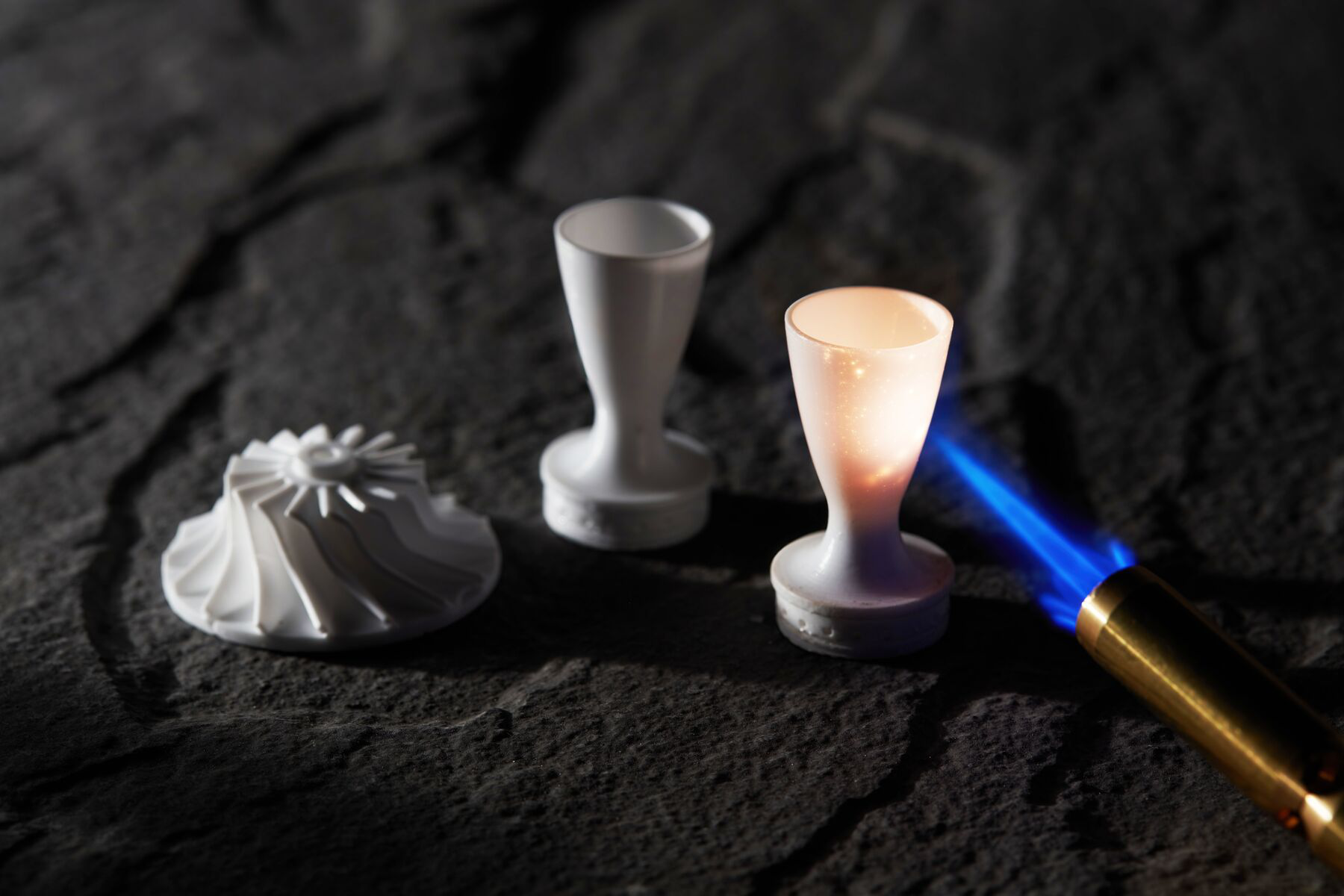
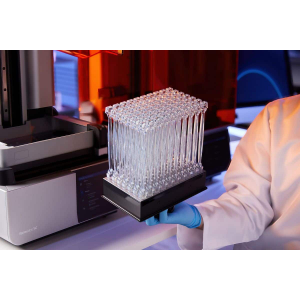
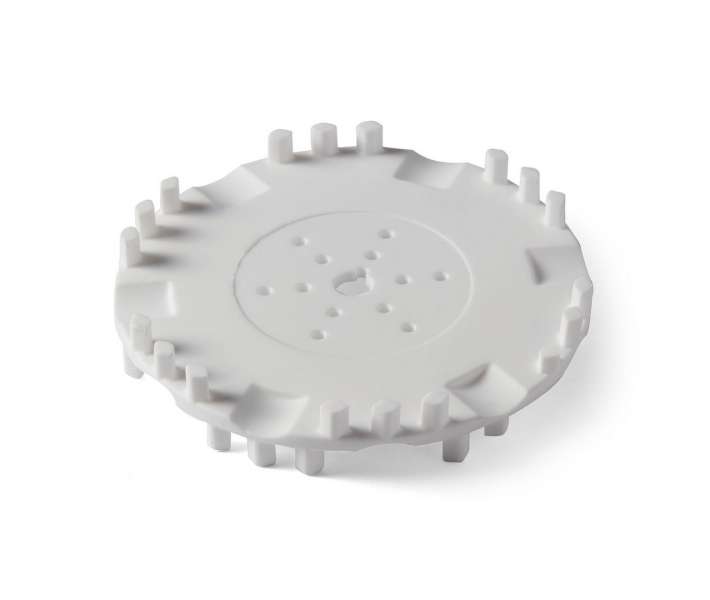
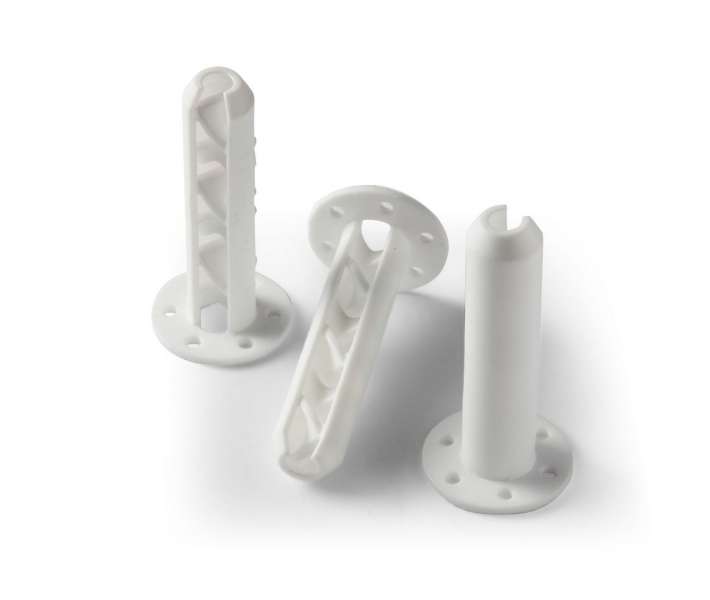
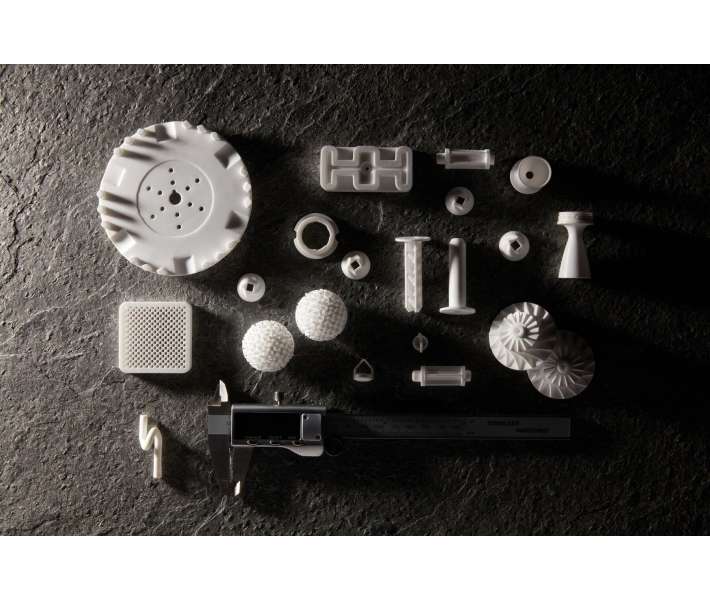
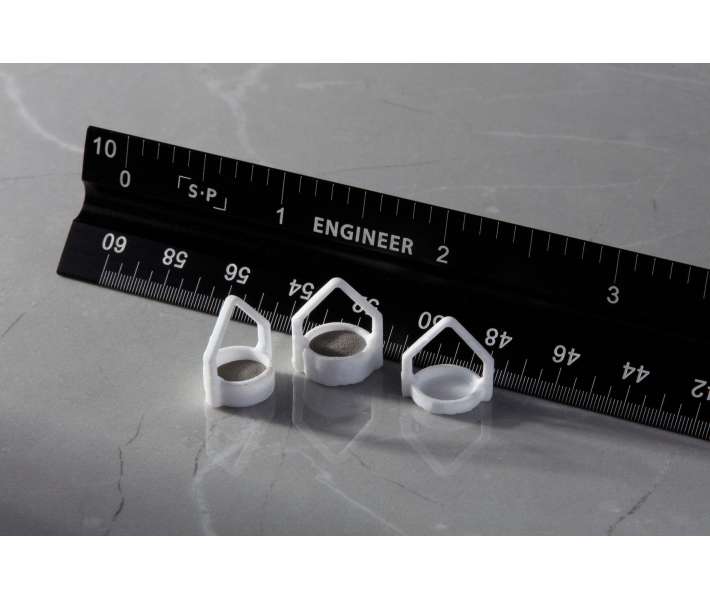
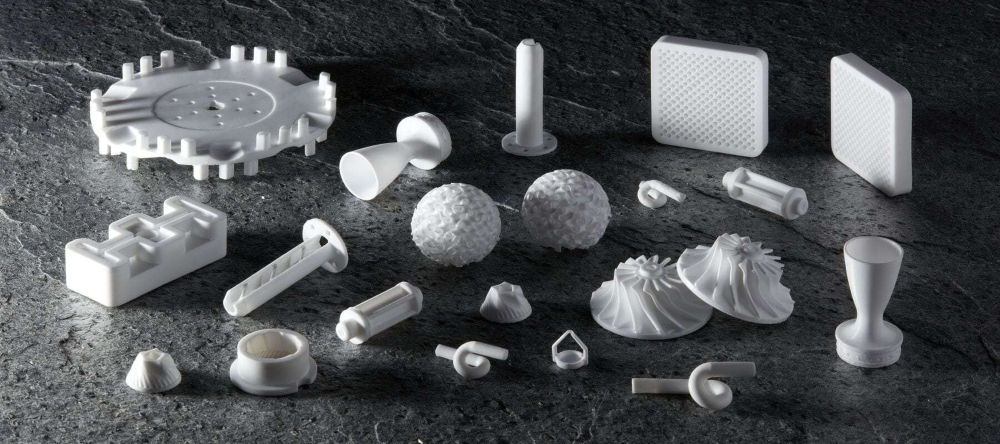
Alumina 4N enables the creation of parts with complex internal channels, lattice structures, and geometries that would be impossible to manufacture using conventional methods. The results are high-performance products with thermal, mechanical, and electrical properties comparable to traditionally produced alumina.
- High-voltage components: housings, connectors, covers, and terminal blocks.
- Chemically resistant components: manifold pipes, mixing paddles, and industrial conduits.
- Heat-resistant components: spark plug insulators, electrical supports, insulating housings, and thermal tubes.
- Metal casting tools: cores, crucibles, mixing tools, thermocouple sheaths, and metal filters.
Washing Parts Printed with Alumina 4N
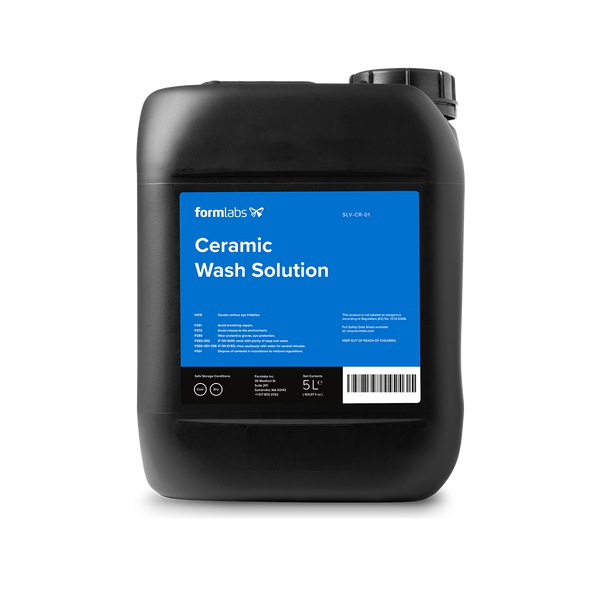
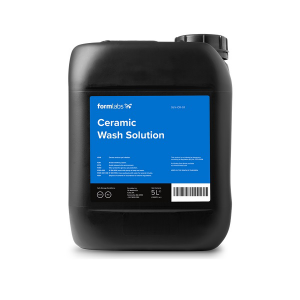
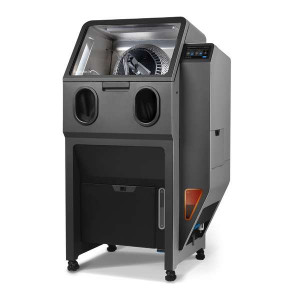
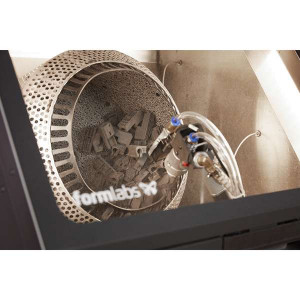
Important: Do not allow parts printed with Alumina 4N to come into contact with water or isopropyl alcohol (IPA), as this will cause cracking in the material. Wash your parts exclusively using the dedicated Formlabs Ceramic Wash Solution.
Firing Process for Alumina 4N Parts
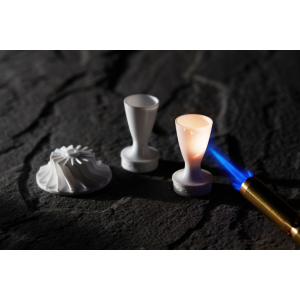
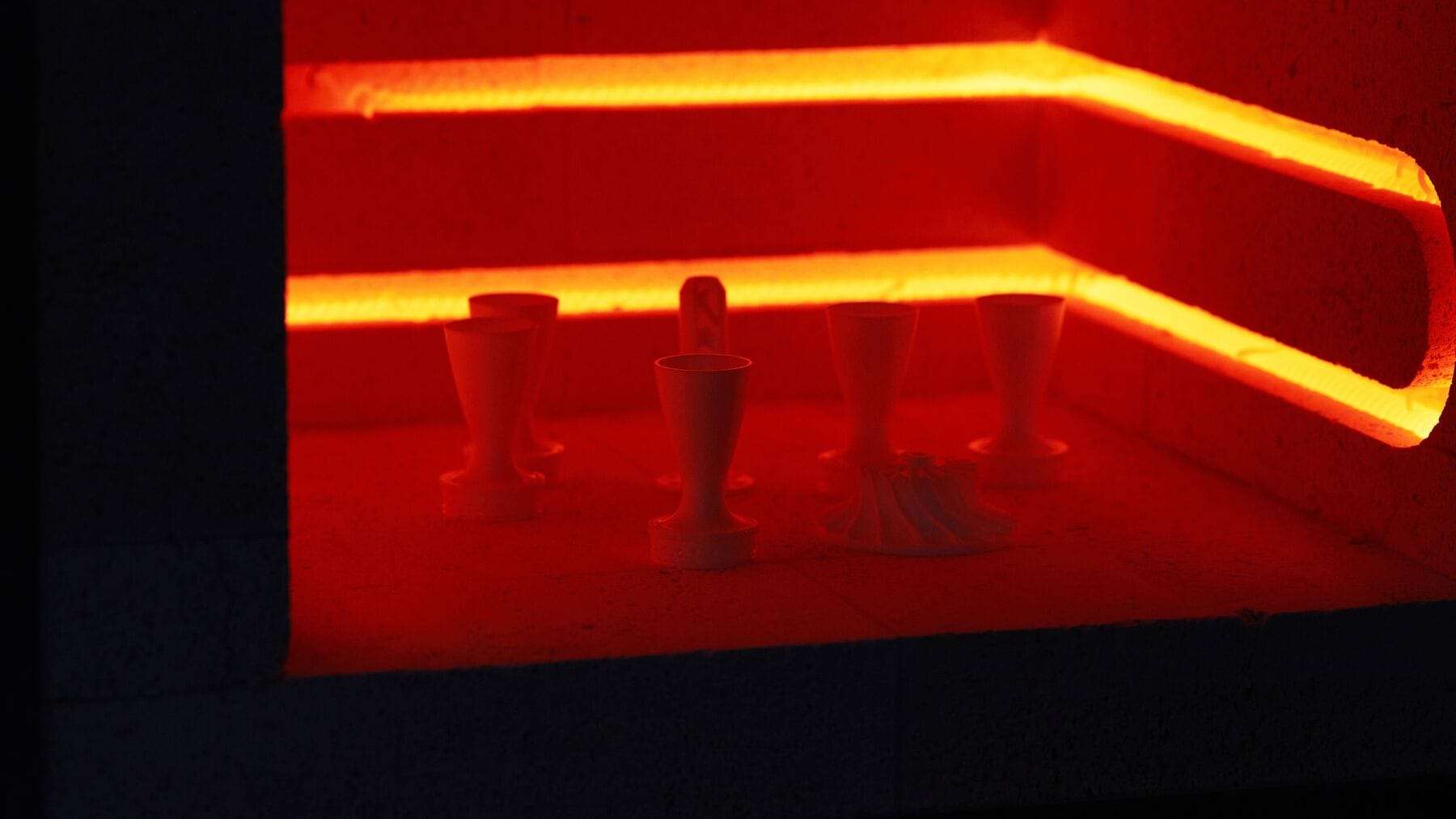
The transformation process involves two fundamental stages: burnout and sintering. The burnout phase is designed to slowly eliminate all photocurable polymer from the part. It is a gradual process lasting a couple of days, raising the temperature in a controlled manner between 150 °C and 600 °C so that the material releases gases without generating internal pressure.
This is typically carried out in a separate kiln for more thorough control, before raising the temperature to 1000 °C for a light pre-sinter. The final sintering process is what converts the compacted powder into a dense, solid part; this step is faster and depends primarily on the time required for heat to penetrate uniformly throughout the entire ceramic structure.
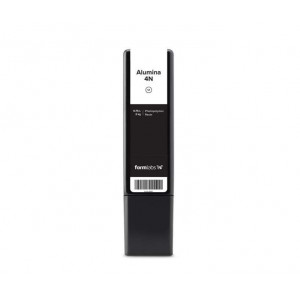
Storing the Alumina 4N Cartridge
Refrigerated storage is recommended for long-term preservation of the material, extending its shelf life to up to 12 months (at room temperature this is reduced to 3 months). Refrigeration does not affect its properties, provided the material is allowed to return to room temperature before use. We recommend shaking the cartridge vigorously (5–10 seconds) before first use or if it has not been used for more than a month. If the resin has been sitting in the tank for more than a month, gently stir it with a spatula that will not damage the film, in order to homogenise any settled sediment.
Technical Specifications
| Printing Technology | SLA |
| Curing | Required |
| Burnout and Firing | Required |
| Flexural Strength | 400 MPa |
| Purity (%) | 99.99% |
| Relative Density | 98.6% |
| CTE (Coefficient of Thermal Expansion) | 5 ppm/K |
| Maximum Working Temperature | 1500 °C |
| Layer Height (microns) | Form 3/3+/3B/3B+ – 50 |
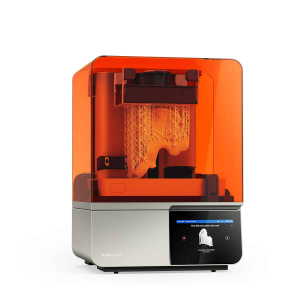
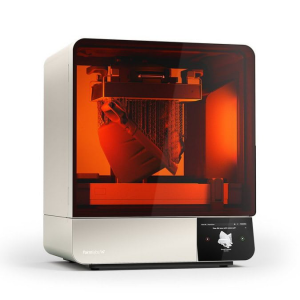
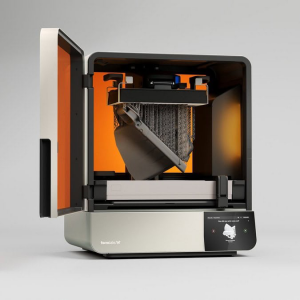
| Printer Compatibility | Form 3/3+, Form 3B/3B+ |
| Tank Compatibility | Form 3/3B Resin Tank V2.1 |
| Build Platform Compatibility | Form 3 Stainless Steel Build Platform |
| Volume (L) | 0.78 |
| Country of Manufacture | USA |
Buy Materials for 3D Printing Thermally and Chemically Resistant Parts
If you need technical advice on Alumina 4N resin or any other Formlabs material, do not hesitate to contact our technical support team.