

- Stock: In Stock
- Product code: C011262
- Weight Brutto: 1.50kg

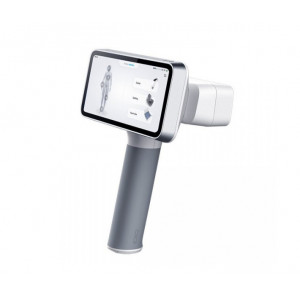
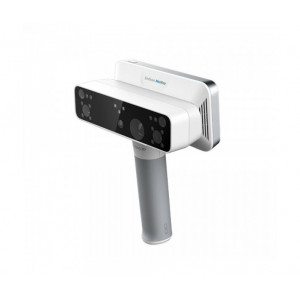
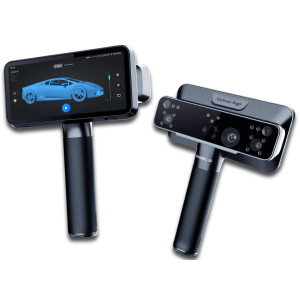
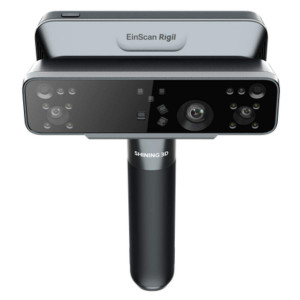
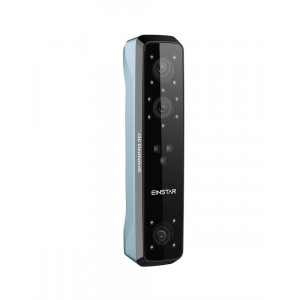
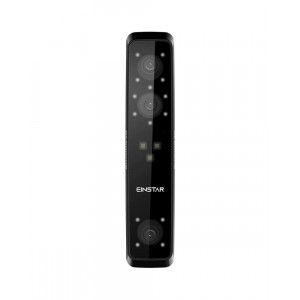
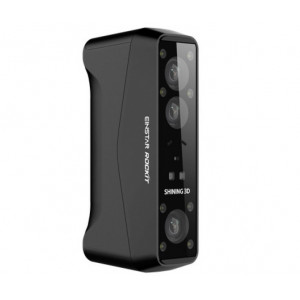
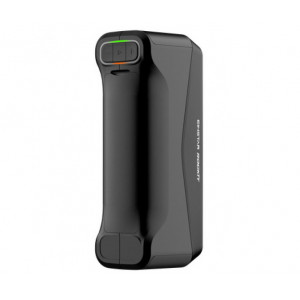
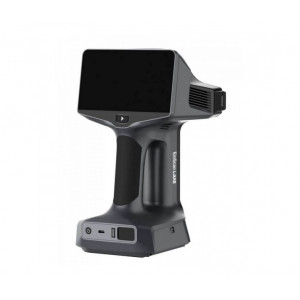
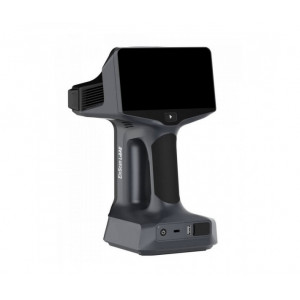
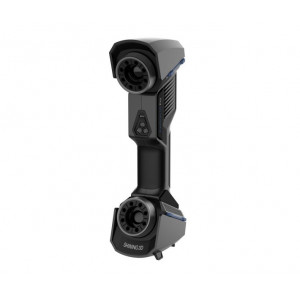
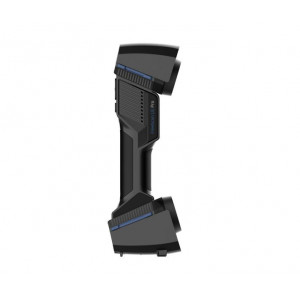
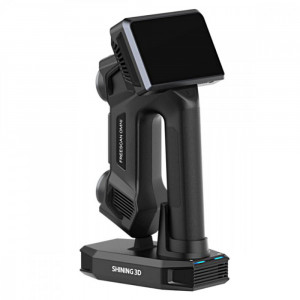
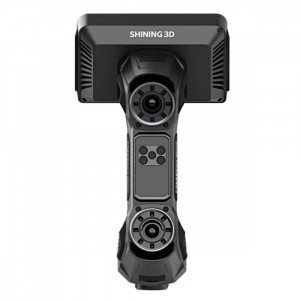
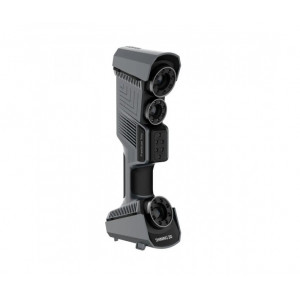
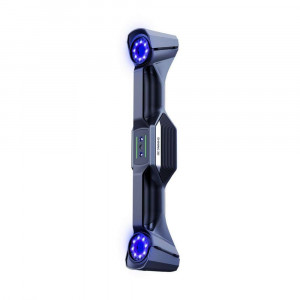
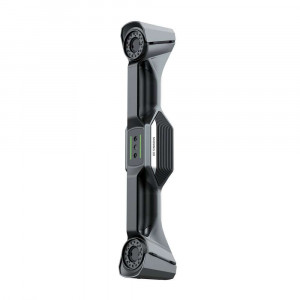
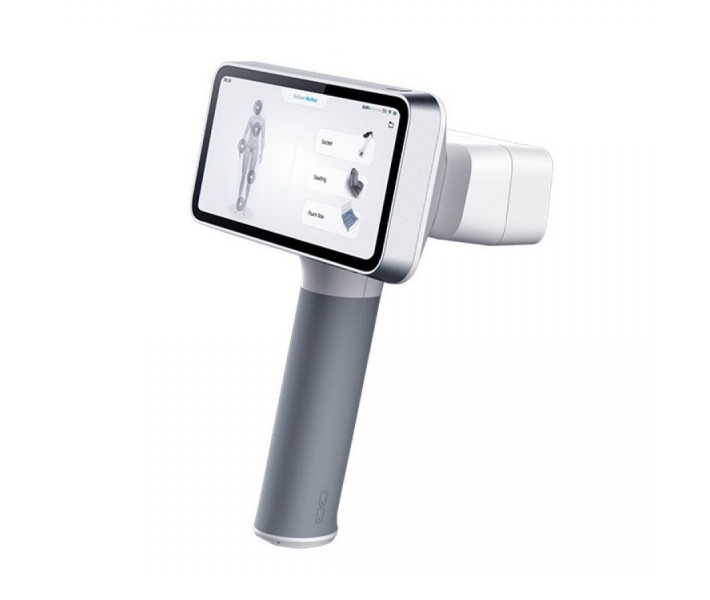
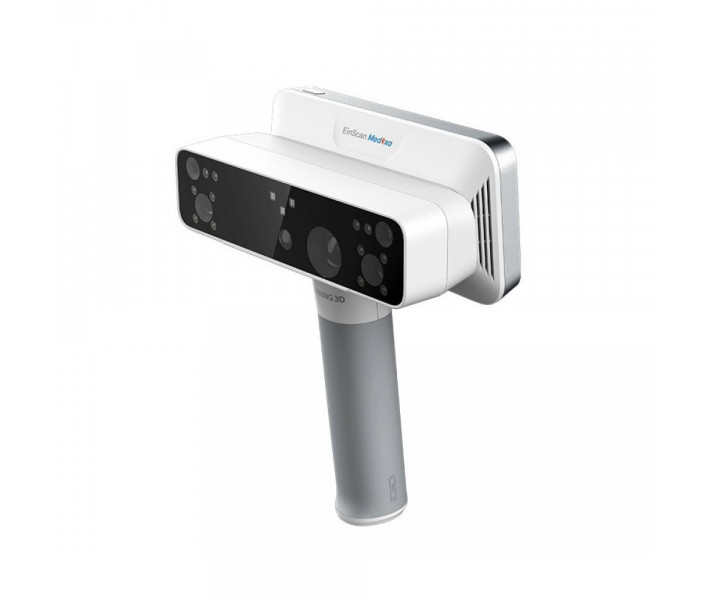
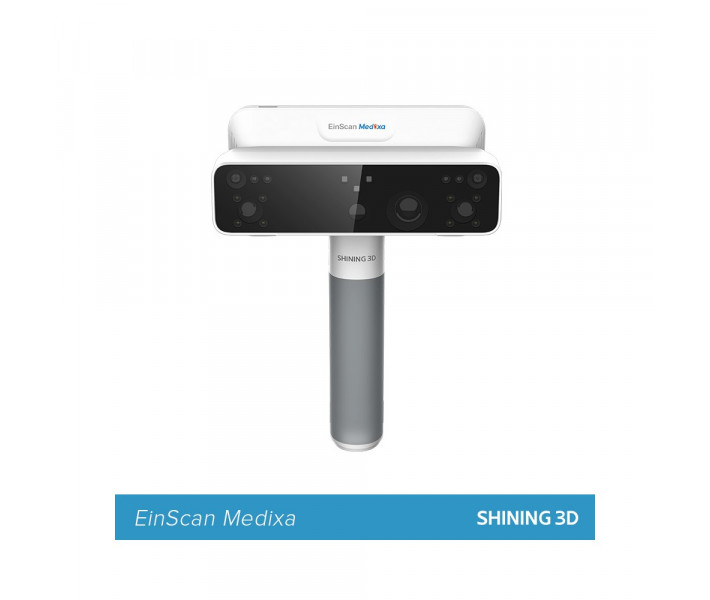
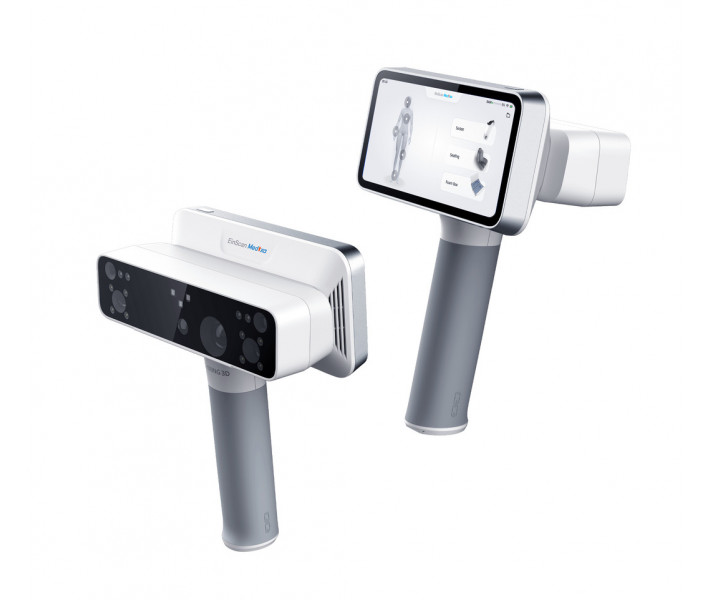
The Shining3D EinScan Medixa is a standalone wireless 3D scanner engineered for orthotics and prosthetics (O&P) clinics, combining scan capture, mesh processing, and file export in a single handheld device. Built around a 6.4" 2K AMOLED touchscreen, an 8-core processor, 32 GB DDR5 RAM, and a 1 TB SSD, it delivers RMS accuracy below 0.3 mm without requiring an external computer — replacing plaster casting with a fully digital, contactless workflow.
| RMS Accuracy | < 0.3 mm |
| Weight (with batteries) | 953 g |
| Display | 6.4" 2K AMOLED touchscreen |
| Storage | 1 TB SSD |
From scan to fabrication-ready file in under one hour
Where the traditional plaster method demands roughly 5 hours per patient case, the EinScan Medixa compresses the same workflow into 1 hour — an 80 % reduction in per-patient time. Rework rates drop from 15–20 % down to under 3 %, cutting follow-up appointments and improving clinic profitability. At 953 g including batteries, the device operates fully autonomously: it scans, processes the point cloud, generates the mesh, and exports STL, OBJ, or PLY files directly from its touchscreen. No laptop, no cables, no additional software needed during capture.
Contactless scanning: patient comfort as a clinical advantage
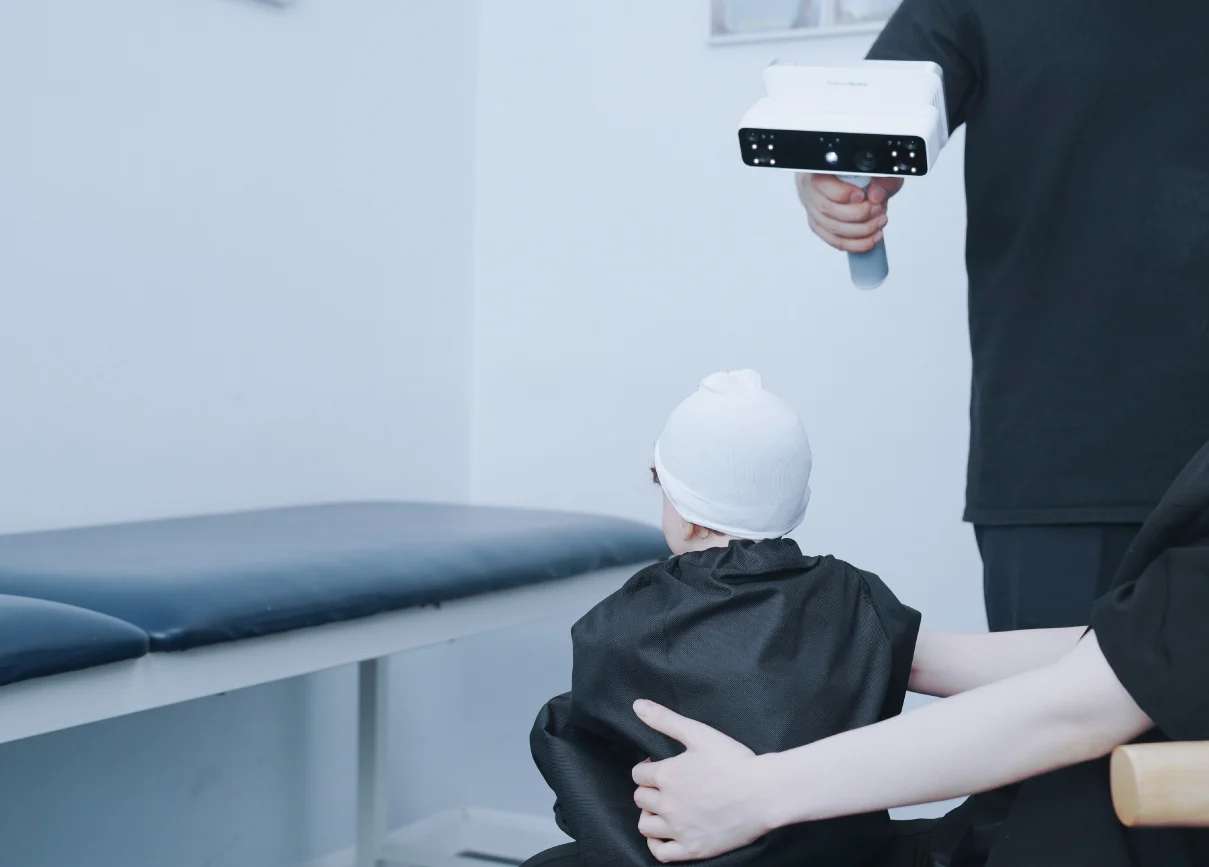
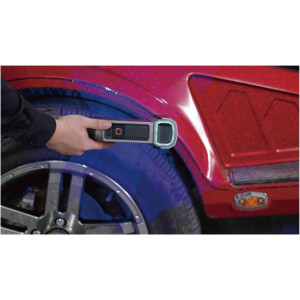
The dual-light system — white light combined with VCSEL infrared — captures precise 3D models without any physical contact with the patient. This matters most in paediatric and geriatric settings where conventional casting causes distress. The white-light field of view reaches 475 × 360 mm, while infrared mode expands coverage to 1090 × 1260 mm, handling everything from a single foot to a full torso in one session.
Motion compensation: reliable scans even with restless patients
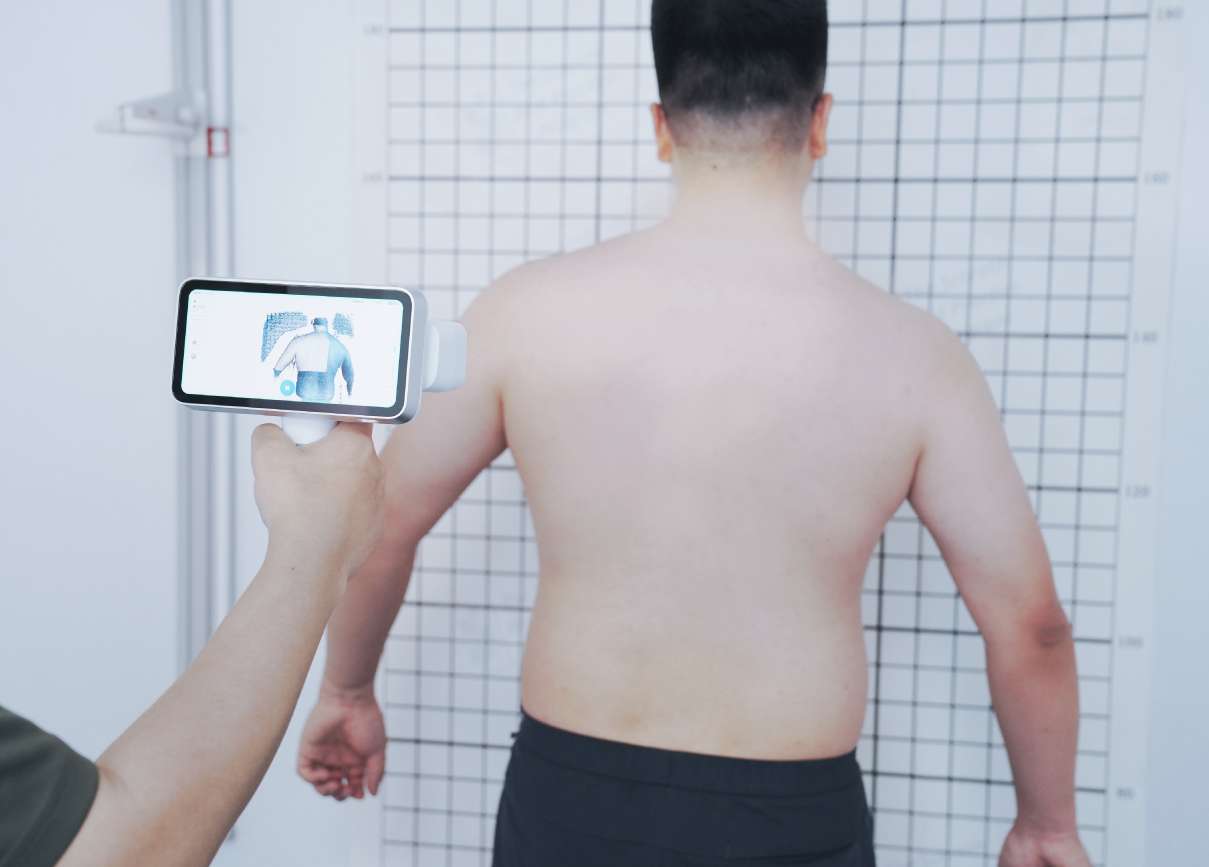
Onboard algorithms compensate for minor patient movement during capture. This is particularly critical when scanning infant heads for cranial helmets or torsos affected by natural breathing cycles. The outcome: consistent, single-pass data without repeat sessions.
5 MP texture camera: geometry and colour in one pass
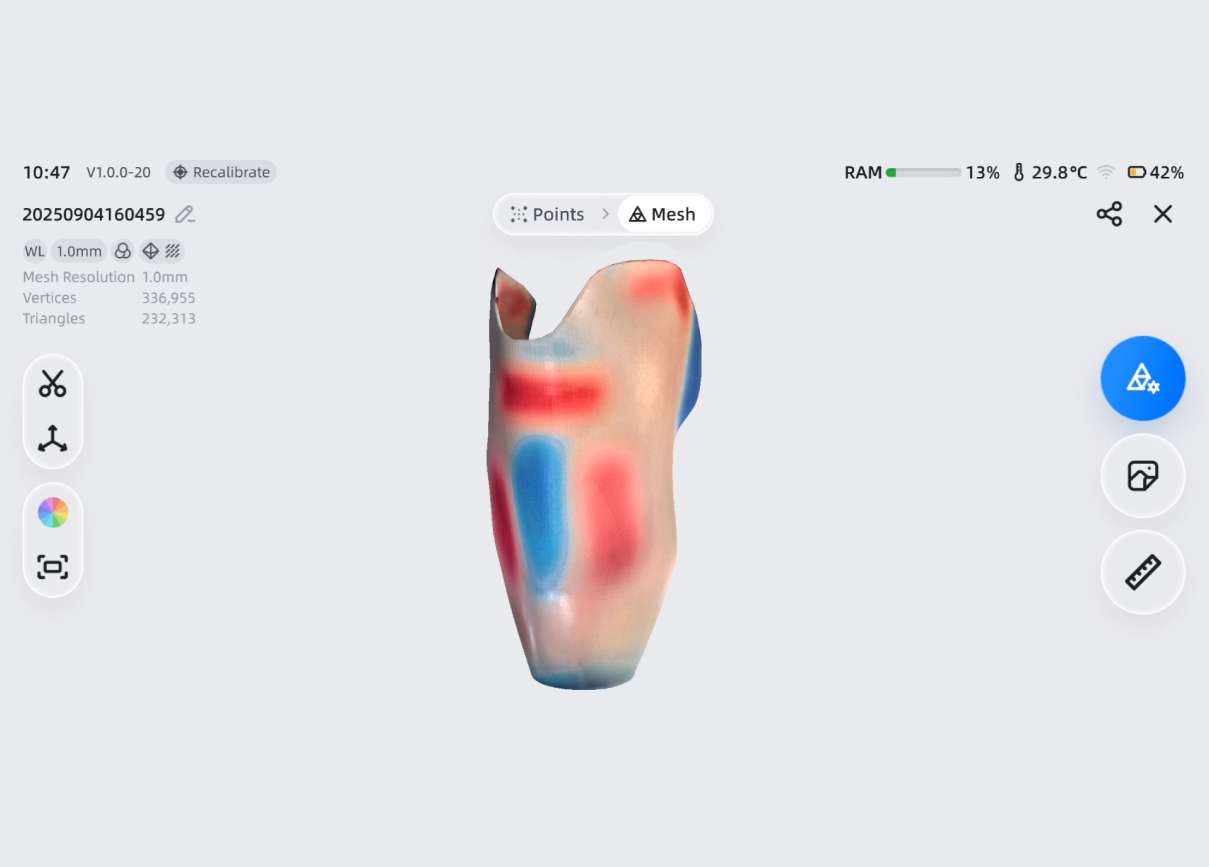
The integrated 5-megapixel camera records both precise geometry and high-resolution surface textures simultaneously. Clinicians can draw anatomical reference marks directly on the patient's body and capture them together with the 3D shape, streamlining the downstream orthotics or prosthetics design process.
Body-zone scan presets
- Cranial
- Facial
- Torso
- Upper limb
- Lower limb
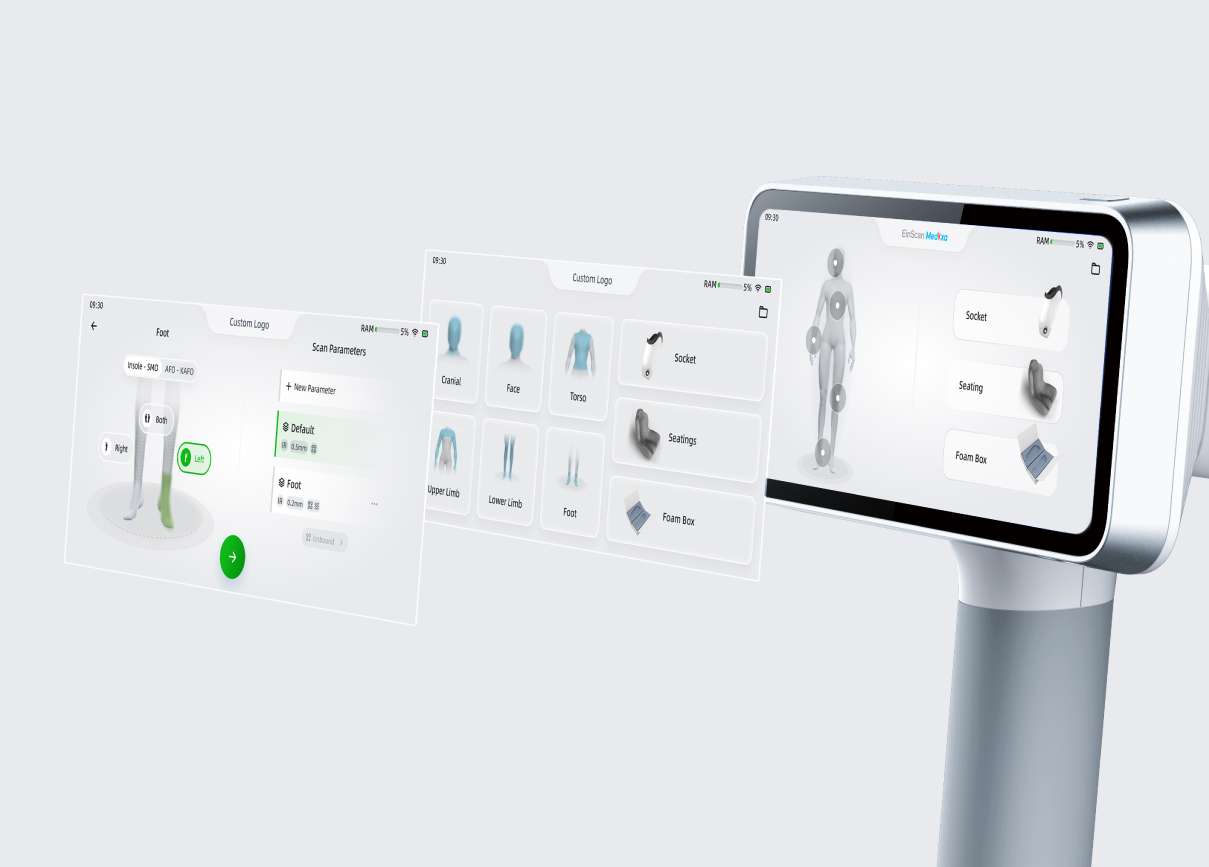
- Foot, socket, seat, and foam box
Each preset automatically adjusts working distance, point resolution, and field of view for the selected body zone. Setup time drops, and the need for manual parameter tuning is virtually eliminated.
Flexible integration with clinical systems
The EinScan Medixa connects via Wi-Fi 6 or USB-C, enabling direct data transfer to hospital ordering platforms, CAD design portals, and the SHINING 3D cloud. The device also supports white-label customisation: logo, visual identity, interface design, and clinic-specific workflow configuration.
Tech Tip: Calibrate the scanner before each clinical session using the included calibration plate. Sub-0.3 mm accuracy is directly dependent on correct calibration. Always back up projects to the SHINING 3D cloud: digitised patient data is essential for longitudinal tracking and follow-up comparisons.
Return on investment: traditional method vs. 3D digitalisation
| Parameter | Traditional method | 3D digitalisation (EinScan Medixa) | Improvement |
|---|---|---|---|
| Time per case | 5 hours | 1 hour | 80 % reduction |
| Patients per day (8 h shift) | 1.6 patients/day | 8 patients/day | 400 % increase |
| Cranial step: capture | 30 minutes (casting) | 30 seconds (scanning) | Dramatic reduction |
| Cranial step: measurement / post-processing | 1 hour (manual measurement) | 20 minutes (post-processing + CAD) | 66 % reduction |
| Rework rate | 15 – 20 % | < 3 % | Significant reduction |
| Methodology | Plaster, tape measure, manual drawings | Contactless 3D scanning, automatic CAD conversion | Fully digital workflow |
| Materials | Plaster, foam boxes, manual tools | None (fully digital) | Material cost eliminated |
| Accuracy | Inconsistent, operator-dependent | High-accuracy single scan | Guaranteed consistency |
| Data archiving | Difficult to track | Digital documentation for follow-up | Improved clinical traceability |
Technical specifications of the Shining3D EinScan Medixa
Scanning parameters
| Light source | White light, VCSEL infrared |
|---|---|
| RMS accuracy | < 0.3 mm |
| Point distance | 0.2 ~ 3 mm |
| Working distance | 200 ~ 600 mm (White light); 160 ~ 1500 mm (Infrared) |
| Field of view (FOV) | 475 × 360 mm (White light); 1090 × 1260 mm (Infrared) |
| Scan presets | Facial, Cranial, Torso, Upper limb, Lower limb, Foot, Socket, Seat, Foam box |
Hardware
| Alignment | Features, Textures, Markers, Hybrid, Global markers |
|---|---|
| Texture camera resolution | 5 MP |
| Output formats | STL, OBJ, PLY |
| Display | 6.4" 2K AMOLED touchscreen |
| Processor | 8-core, 2.4 GHz |
| RAM | 32 GB DDR5 |
| Storage | 1 TB SSD |
| Interface and power | Wi-Fi 6; USB-C; Battery: 5500 mAh × 2; USB-C 60 W PD3.0 charger |
| Compatible accessory | FootStation 2 |
Eye safety
| Eye safety | LED Light (Eye safe); Class I (Eye safe) |
|---|
Physical dimensions
| Dimensions (H × D × W) | 233 × 180 × 91 mm |
|---|---|
| Weight (with batteries) | 953 g |
Battery
| Battery type | Rechargeable lithium-ion |
|---|---|
| Capacity | 5500 mAh × 2 |
| Nominal voltage | 3.6 V |
| Cycle life | Over 400 cycles |
| Operating temperature | Charging: 0 ~ 45 °C; Discharge: -20 ~ +60 °C |
| Battery dimensions | 75.4 × 21.7 mm (length × diameter) |
What's in the box
- EinScan Medixa 3D scanner
- 2 lithium-ion batteries (5500 mAh each)
- Battery compartment
- 3 mm and 6 mm markers
- Charging cable
- Type-C to Type-C cable for scanner
- Power adapter (60 W PD3.0)
- Calibration plate with universal stand
- Calibration plate
- Cleaning cloth
Frequently asked questions about the Shining3D EinScan Medixa
Do I need a computer to use the EinScan Medixa?
No. The EinScan Medixa is a fully standalone device with an 8-core processor, 32 GB DDR5 RAM, and 1 TB SSD. It performs scanning, point-cloud processing, mesh generation, and file export (STL, OBJ, PLY) directly from its 6.4" touchscreen. A computer connection via USB-C is only needed for wired file transfer.
Is it safe for patients' eyes?
Yes. The scanner uses Class I LED light and VCSEL infrared classified as eye-safe, compliant with FDA standards for laser products under IEC 60825-1 Ed.3.
How many patients can I see per day with the EinScan Medixa?
According to manufacturer performance data, the 3D digitalisation workflow supports up to 8 patients in an 8-hour working day, compared to 1.6 patients/day with traditional casting. This represents a 400 % increase in patient throughput.
Which body zones can I scan?
The device includes optimised presets for: cranial, facial, torso, upper limb, lower limb, foot, socket, seat, and foam box. Each preset automatically adjusts working distance, resolution, and field of view.
Is it compatible with FootStation 2?
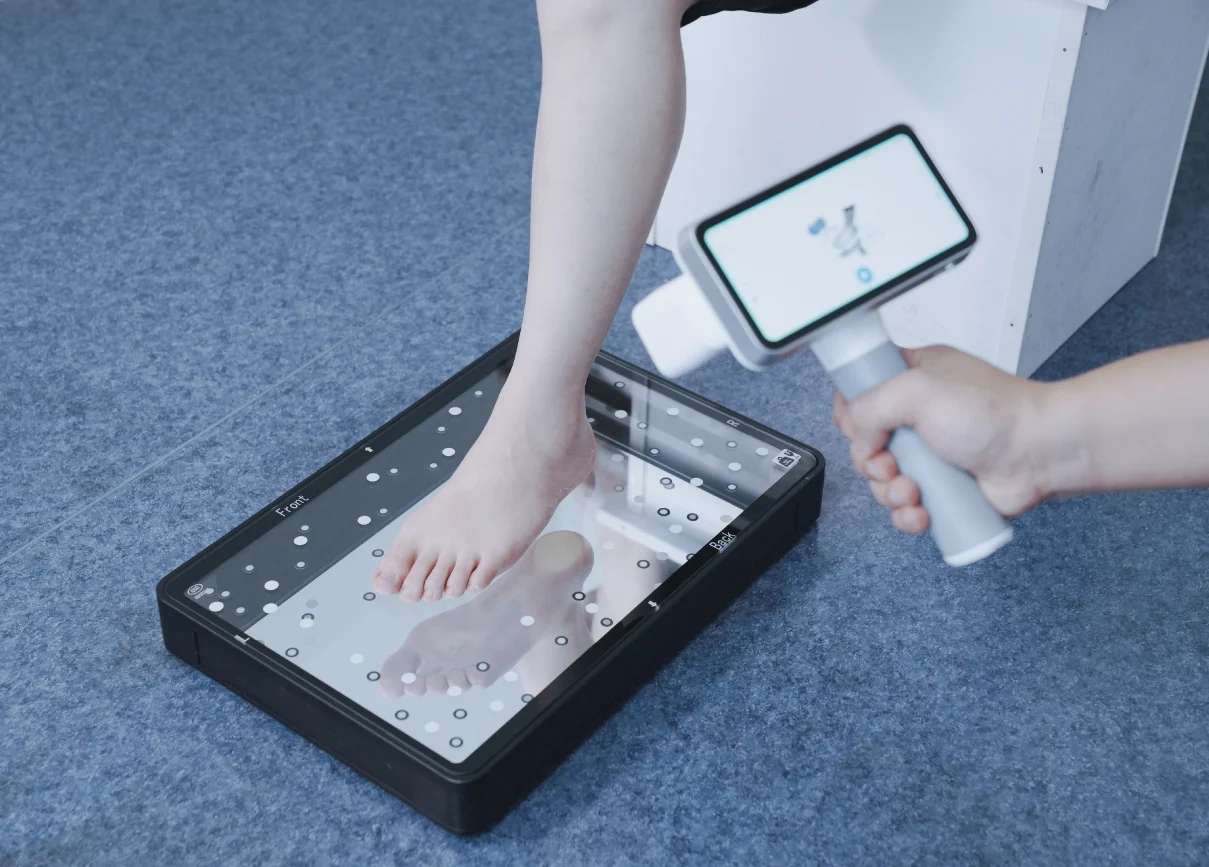
Yes. The EinScan Medixa is compatible with the Shining3D FootStation 2 accessory, designed for standardised foot scanning with consistent patient positioning.
Why choose EXPERT3D?
EXPERT3D has been delivering specialist 3D technology expertise since 2012. Our engineering team provides pre-sales technical consultation, personalised training, and aftersales (posventa) support across Spain. Every system is invoiced officially in EUR (€) and covered by the manufacturer's warranty. Trust professionals who understand the orthotics and prosthetics sector: we help you select the right configuration and integrate the scanner into your clinical workflow.