

- Stock: In Stock
- Product code: 6970163080529
- Weight Brutto: 1.50kg
- SKU: С010562

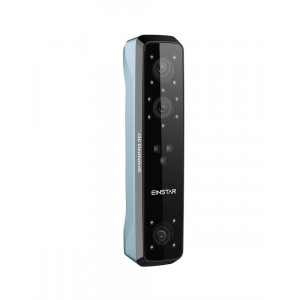
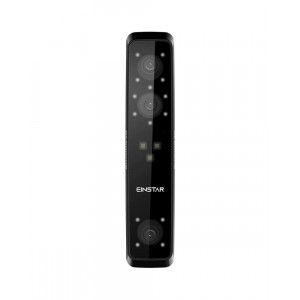
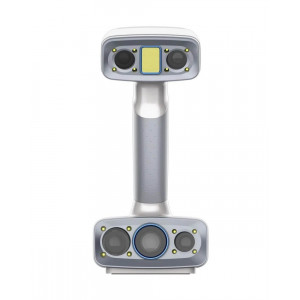
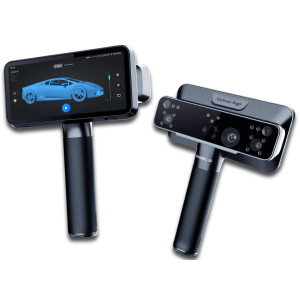
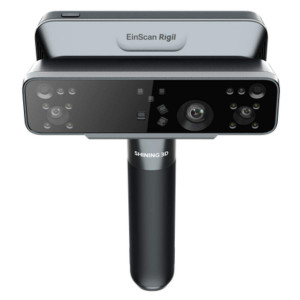
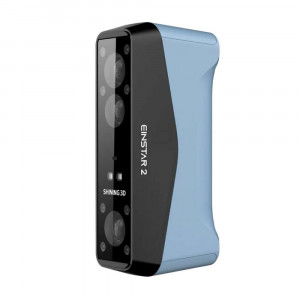
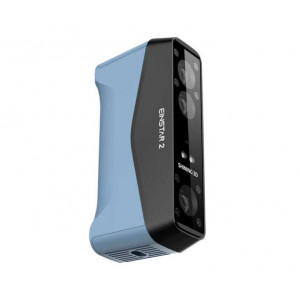
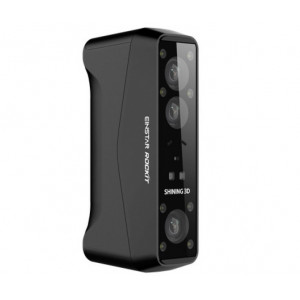
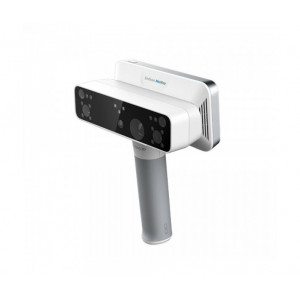
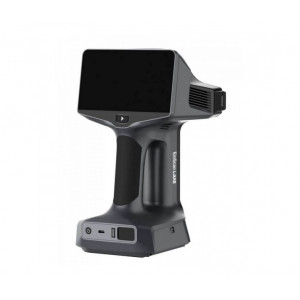
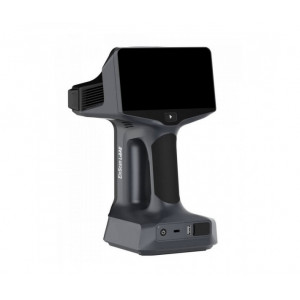
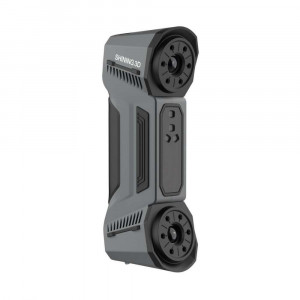
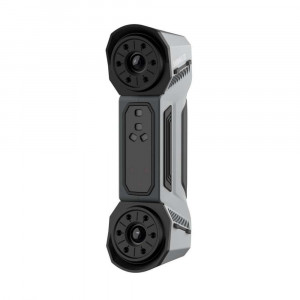
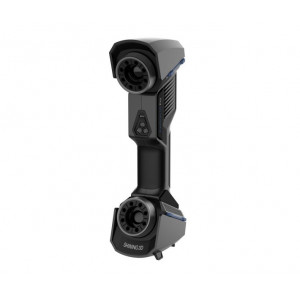
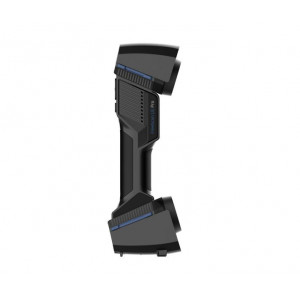
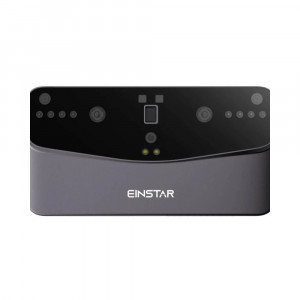
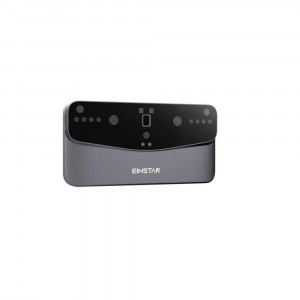
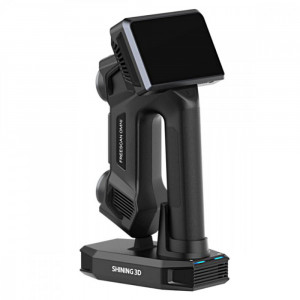
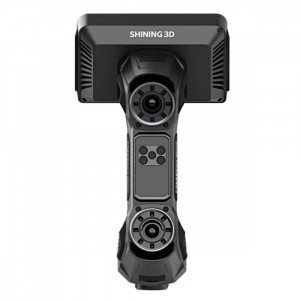
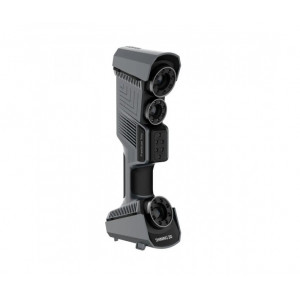
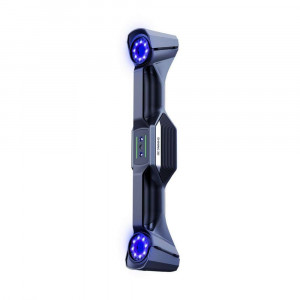
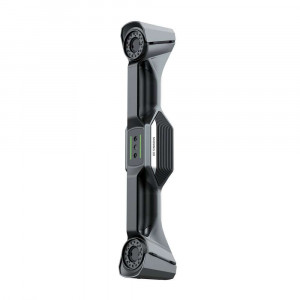
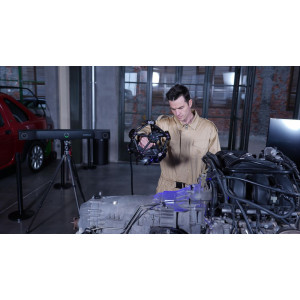
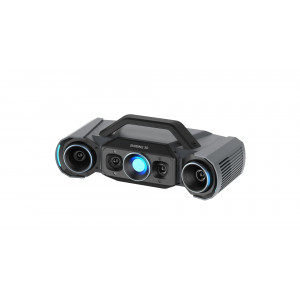
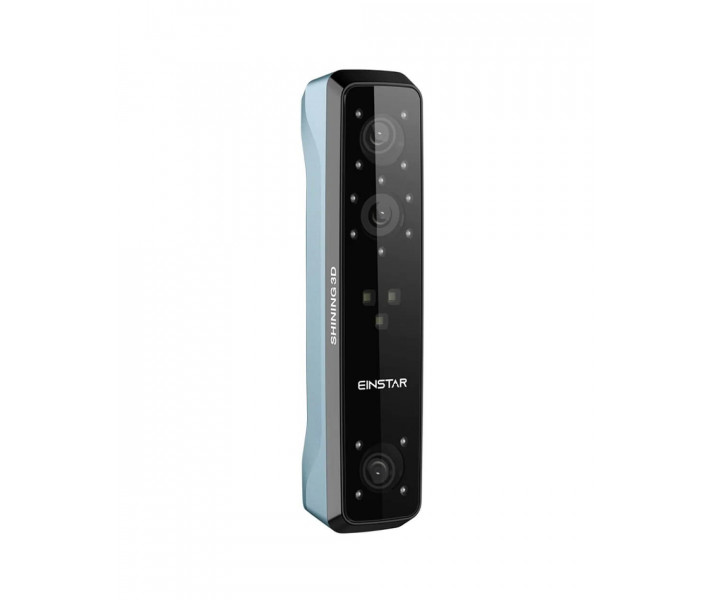
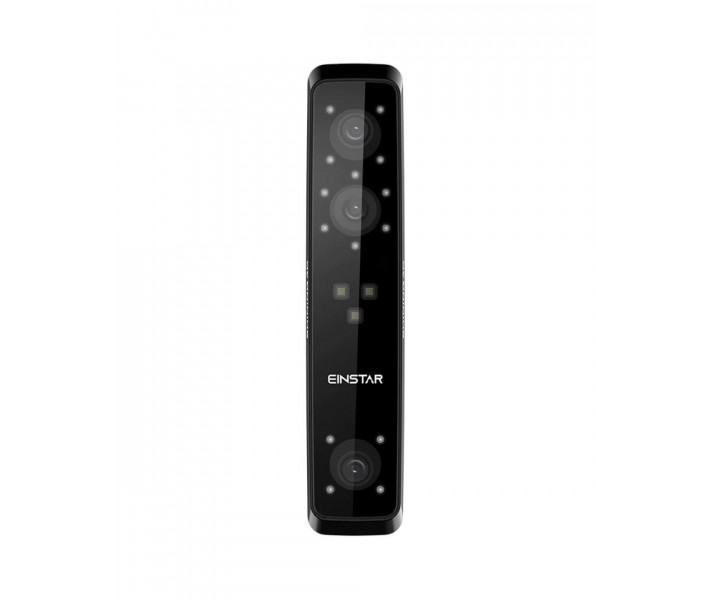
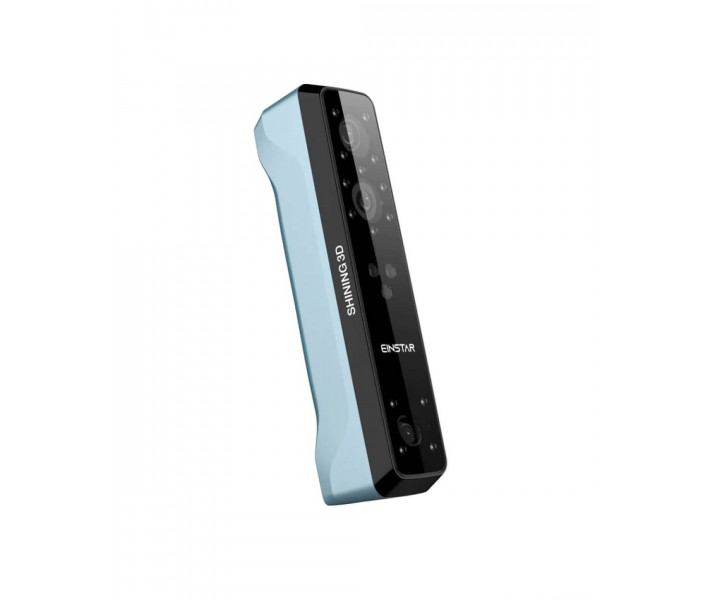
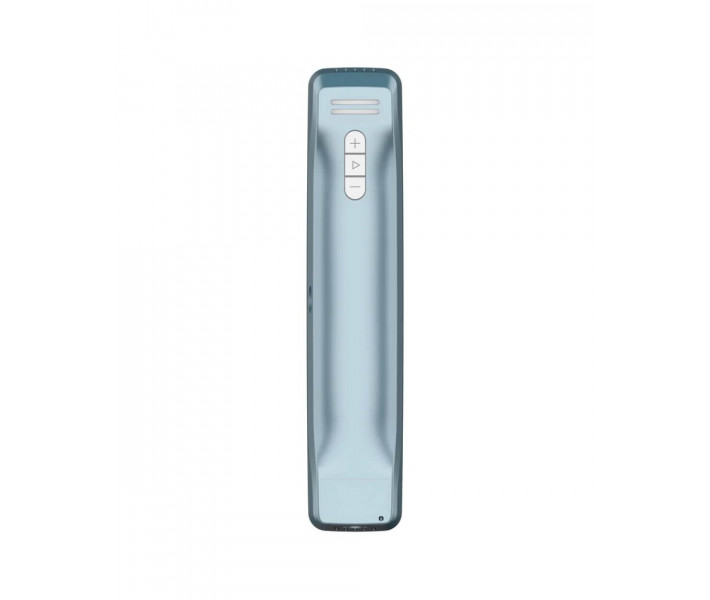
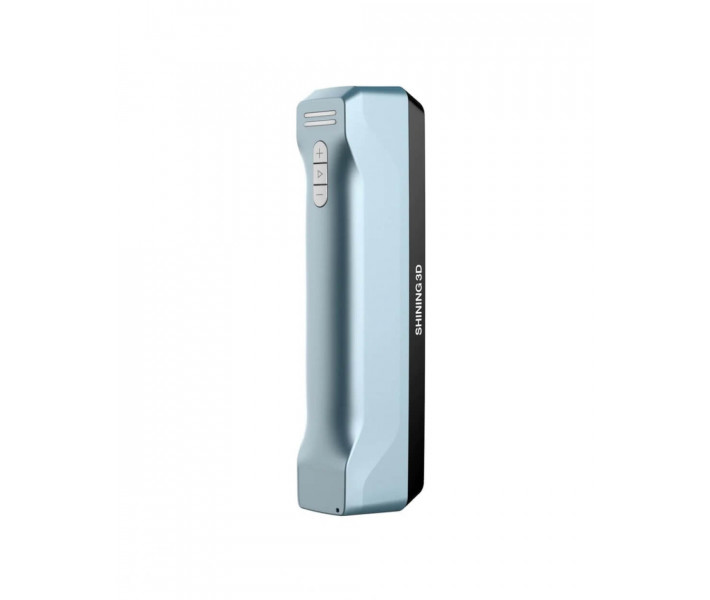
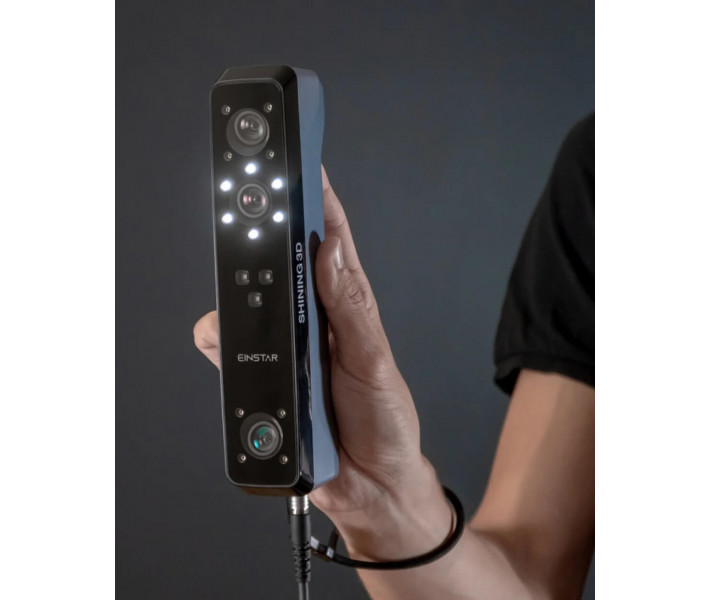
The EinStar 3D Scanner is a portable structured infrared light 3D scanner from SHINING 3D, engineered for accessible digitalization of objects and people with point-to-point distance from 0.1 mm, capture speed of 980,000 points/s at 14 fps, integrated RGB camera for true-color textures, eye-safe scanning (Class 1 laser) and stable outdoor operation thanks to three infrared VCSEL projectors.
High-density point cloud with resolution from 0.1 mm
EinStar registers up to 980,000 points per second with configurable point-to-point distance of 0.1 to 3 mm. This means dense point clouds in rapid passes. For small parts with complex geometry, select 0.1 mm resolution; for medium or large objects, 0.2 mm offers optimal balance between detail and data volume.
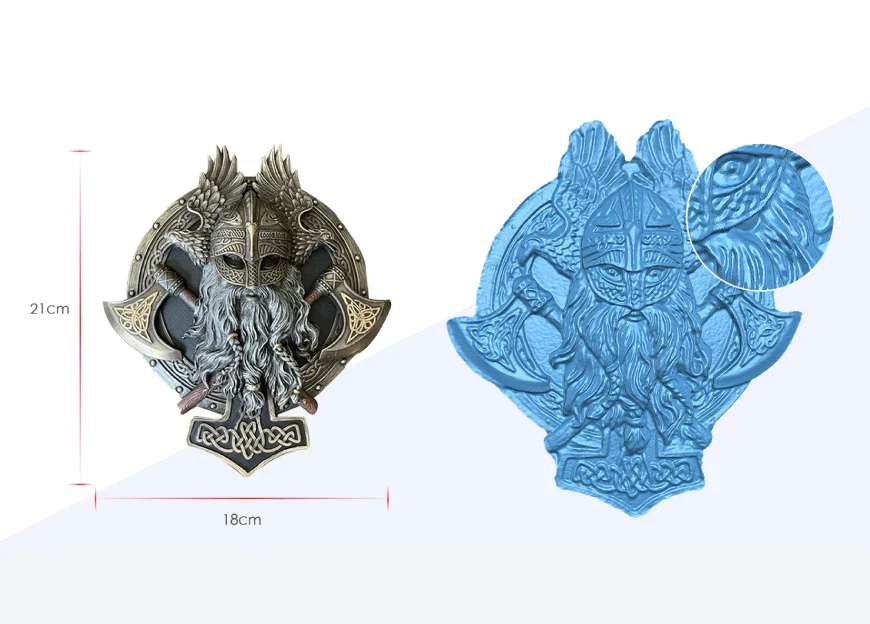
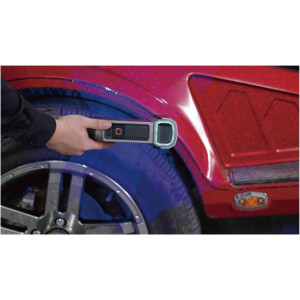
Maximum field of view reaches 434 × 379 mm at optimal working distance of 400 mm, while depth of field spans 160 to 1,400 mm. This enables digitizing from industrial components of just a few centimeters to sculptures or car body panels without equipment changes.
Reliable capture of dark, glossy and reflective surfaces
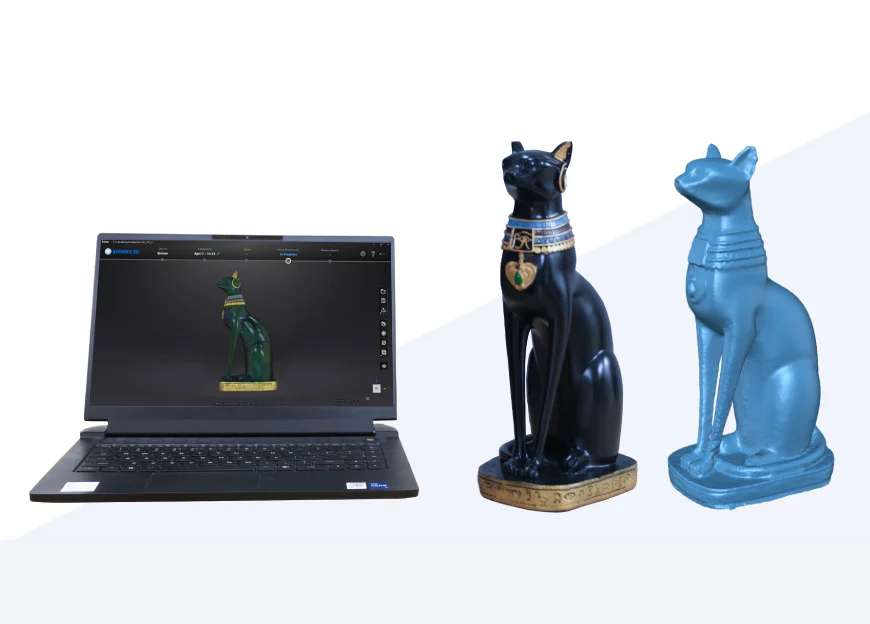
Many budget 3D scanners produce incomplete data when facing dark materials or specular gloss. EinStar employs three VCSEL structured infrared light projectors that penetrate these problematic surfaces and generate stable data without scanning spray in most situations. For transparent or extremely reflective objects, the manual recommends applying matte spray or placing adhesive markers.
Eye-safe scanning and hair capture mode
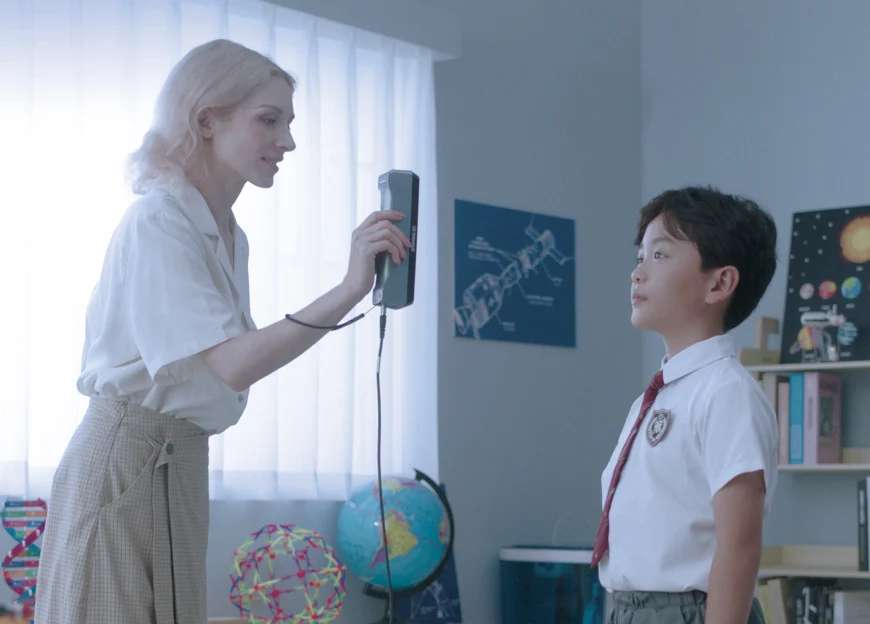
EinStar is classified as a Class 1 laser product: it emits no visible projector light during scanning. This makes it a comfortable tool for digitizing people, as the subject needs not close their eyes or wear protective glasses.
Activating Hair Mode enables capturing sufficient hair data, improving model integrity in portrait scans. It's an especially useful function for medical, orthopedic and animation applications requiring complete head reconstructions. Note that this mode may slightly increase noise in the data, so a post-cleaning step is recommended.
Stable outdoor performance
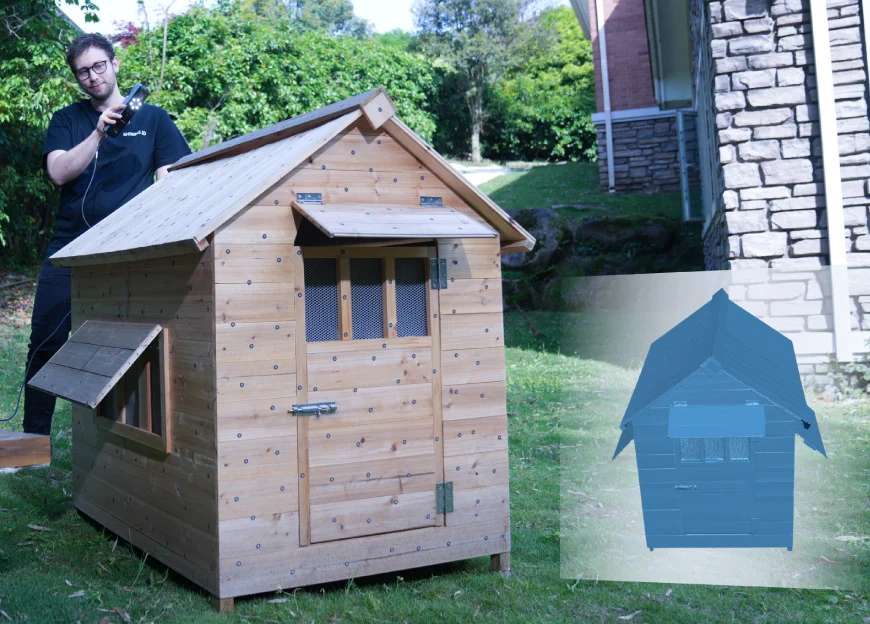
Thanks to a combination of 3 IR VCSEL projectors, 2 stereo depth cameras and 1 RGB camera, EinStar maintains precise tracking and clean data outside the laboratory. Scanning architectural heritage, monuments or vehicles in open-air parking lots is viable without additional setup.
Four alignment modes and intelligent tracking
The scanner offers four alignment modes that adapt to each surface type:
- Geometric Features (Feature): automatic shape and edge recognition. Suitable for most objects with varied geometry.
- Texture (Texture): uses RGB camera color data to align on surfaces with distinctive visual patterns.
- Hybrid (Hybrid): combines geometry, texture and markers for maximum robustness in complex scenes.
- Global Markers (Global Markers): alignment based exclusively on reflective adhesive markers, recommended for parts with little geometric or color variation.
The intelligent tracking algorithm detects reference loss and allows position recovery without restarting the scan thanks to the Data Rewind function, which prevents losing all work done on a single misalignment.
EXStar Software: real-time quality indicator
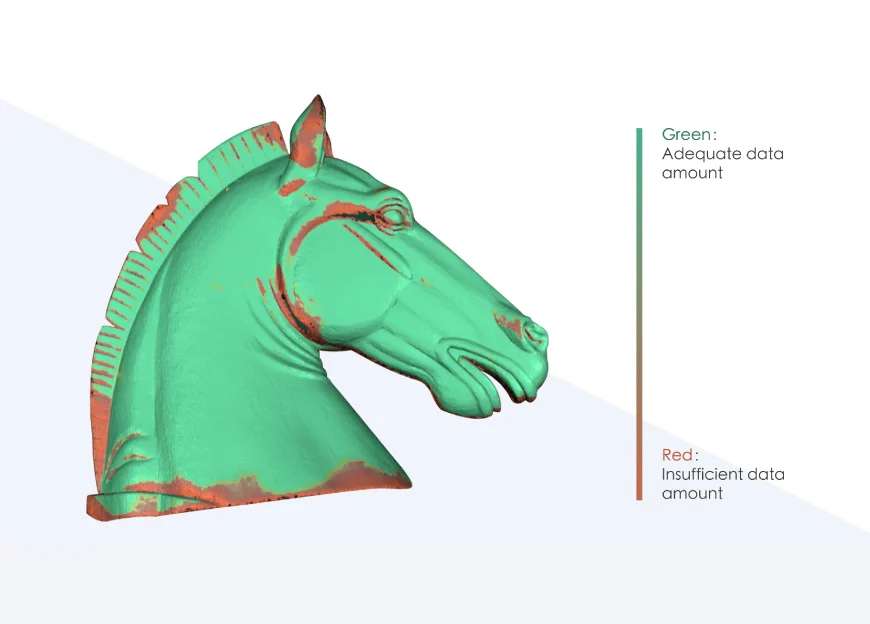
The EXStar program, compatible with Windows 10/11 and macOS 13.0 or higher, guides the user with a chromatic data quality indicator: green signals adequate coverage, red indicates areas requiring more passes. After capture, mesh editing tools (automatic or manual hole-filling, smoothing and simplification), dimensional measurement and direct export are available.
Export formats include OBJ, STL, PLY, 3MF and P3, guaranteeing compatibility with most CAD design programs, 3D printing software and professional visualization platforms. Additionally, models can be shared with one click to Sketchfab or SHINING 3D Digital Cloud.
Quick specifications overview
| Point-to-point distance | 0.1 – 3 mm |
|---|---|
| Scanning speed | 980,000 points/s, up to 14 fps |
| Depth of field | 160 – 1,400 mm |
| Scanner weight | 500 g |
Expert's tip: Calibrate the EinStar before each scanning session, especially if the device has been transported or hasn't been used for more than 7 days. Proper calibration with the supplied plate compensates for thermal and mechanical drift, translating directly to greater dimensional accuracy. For surfaces with little geometry (flat sheets, smooth panels), place adhesive markers at 100-150 mm intervals to ensure robust tracking.
Technical specifications of the EinStar 3D Scanner
Scanning performance
| Scanning mode | Structured Light Scan |
|---|---|
| Point-to-point distance | 0.1 mm – 3 mm |
| Light source | Structured infrared light VCSEL |
| Optimal working distance | 400 mm |
| Depth of field | 160 mm – 1,400 mm |
| Maximum field of view | 434 mm × 379 mm (at optimal working distance) |
| Scanning speed | 980,000 points/s, up to 14 fps |
| Alignment modes | Feature, Hybrid, Texture, Global Markers |
| Safety | Eye-safe (Class 1 laser product) |
| Texture scanning | Yes (integrated RGB camera) |
| Outdoor scanning | Yes (3 VCSEL projectors + 2 stereo cameras) |
Dimensions and connectivity
| Scanner dimensions | 220 mm × 46 mm × 55 mm |
|---|---|
| Scanner body weight | 500 g |
| Connection interface | USB 2.0 or higher |
| Power adapter | 12 V / 5 A |
| Export formats | OBJ, STL, PLY, 3MF, P3 |
System requirements — Windows
| Operating system (minimum) | Windows 10, 64-bit |
|---|---|
| Operating system (recommended) | Windows 10/11, 64-bit |
| Graphics card (minimum) | NVIDIA GTX 1050, 4 GB VRAM |
| Graphics card (recommended) | NVIDIA GTX 1060, 6 GB+ VRAM |
| Processor (minimum) | Intel Core i7-7700H |
| Processor (recommended) | Intel Core i7-11800H or higher |
| RAM (minimum) | 16 GB |
| RAM (recommended) | 32 GB |
System requirements — macOS
| Operating system | macOS 13.0 or higher |
|---|---|
| Processor | Apple M1 or higher |
| RAM (minimum) | 16 GB |
| RAM (recommended) | 32 GB or higher |
| USB interface | USB 2.0 or higher |
| Free disk space | 800 MB or higher |
What's in the box?
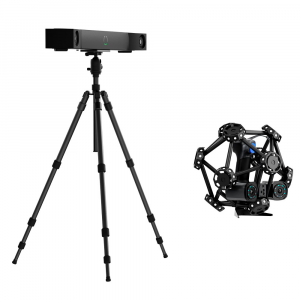
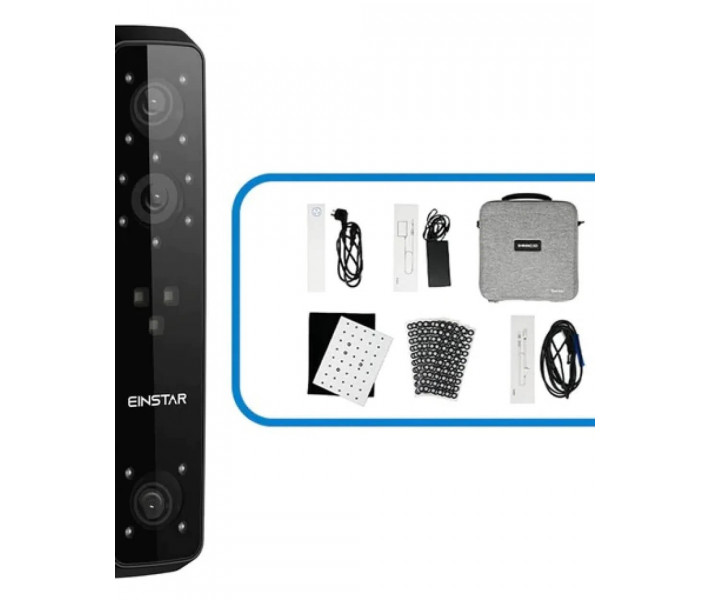
- EinStar scanner body (with protective case)
- Wrist strap
- USB cable
- Power adapter (12 V / 5 A)
- Power cable
- Calibration plate
- Reflective adhesive markers
- Quick start guide
Frequently asked questions about the EinStar 3D Scanner
What types of objects can EinStar scan?
EinStar is designed to digitize objects ranging from small to large: from mechanical parts of just a few centimeters to sculptures, vehicle parts or complete human body. Its infrared VCSEL projectors enable capturing dark and glossy surfaces with greater reliability than visible-light scanners. For transparent or highly reflective objects, the manual recommends applying matte spray or placing adhesive markers.
Is it safe to scan people with EinStar?
Yes. EinStar is classified as a Class 1 laser product, the safest category. It emits no visible projector light during scanning, making it comfortable for the subject's eyes. Additionally, it includes a hair capture mode that improves the integrity of portrait scans.
Does EinStar work outdoors?
Yes. Thanks to its combination of 3 infrared VCSEL projectors, 2 stereo depth cameras and 1 RGB camera, EinStar generates stable data in outdoor environments. The infrared technology minimizes interference from ambient sunlight, unlike scanners relying on projected visible light.
What software is needed to use EinStar?
The scanner works with the EXStar software, available for Windows 10/11 (64-bit) and macOS 13.0 or higher. An NVIDIA graphics card compatible with CUDA 10.2 is required for Windows. On macOS, an Apple M1 processor or higher and at least 32 GB of RAM are needed.
What file formats can be exported?
EinStar exports in OBJ, STL, PLY, 3MF and P3 formats. These formats are widely supported by professional CAD software, 3D printing applications and visualization platforms. Models can also be uploaded directly to Sketchfab or SHINING 3D Digital Cloud for online sharing.
Why choose EXPERT3D?
EXPERT3D has accumulated over a decade of experience since 2012 advising professionals, educational institutions and industries in 3D technology adoption. Our technical team knows firsthand each scanner we distribute and offers official warranty, authorized technical support and specialized guidance in Spanish. If you need a portable structured-light 3D scanner with competitive price-to-performance and capable of working both indoors and outdoors, the EinStar from SHINING 3D is a solid option. Check availability and price in € in our store.