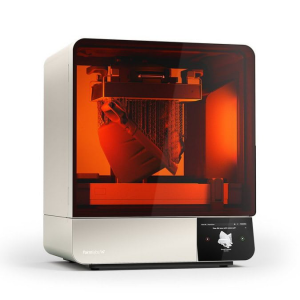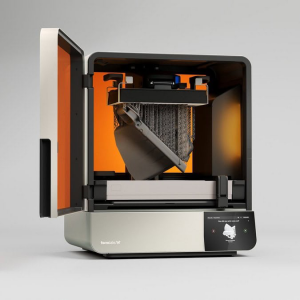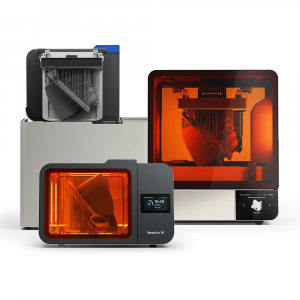


- Stock: In Stock
- Product code: 00-00000300
- Weight Brutto: 6.50kg
- SKU: PD-FS-P11C-01

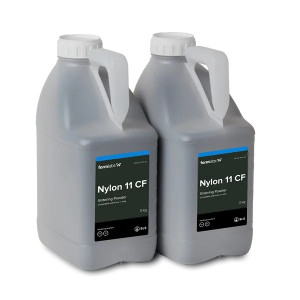
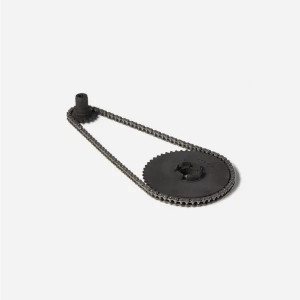
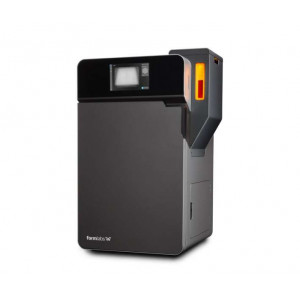
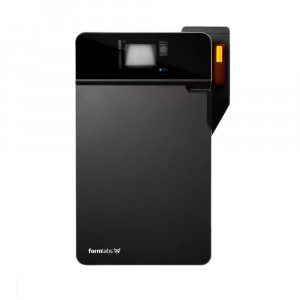
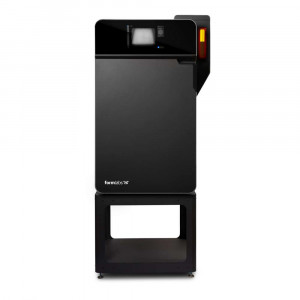
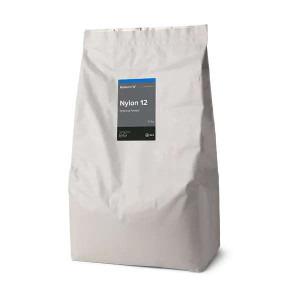
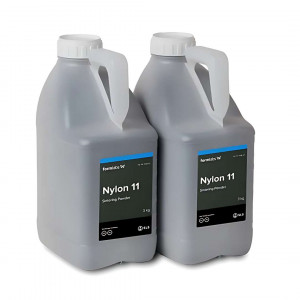
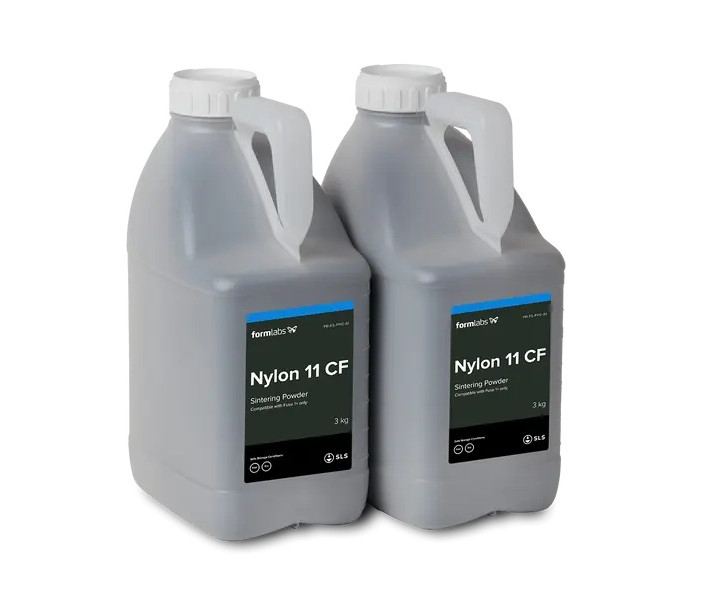
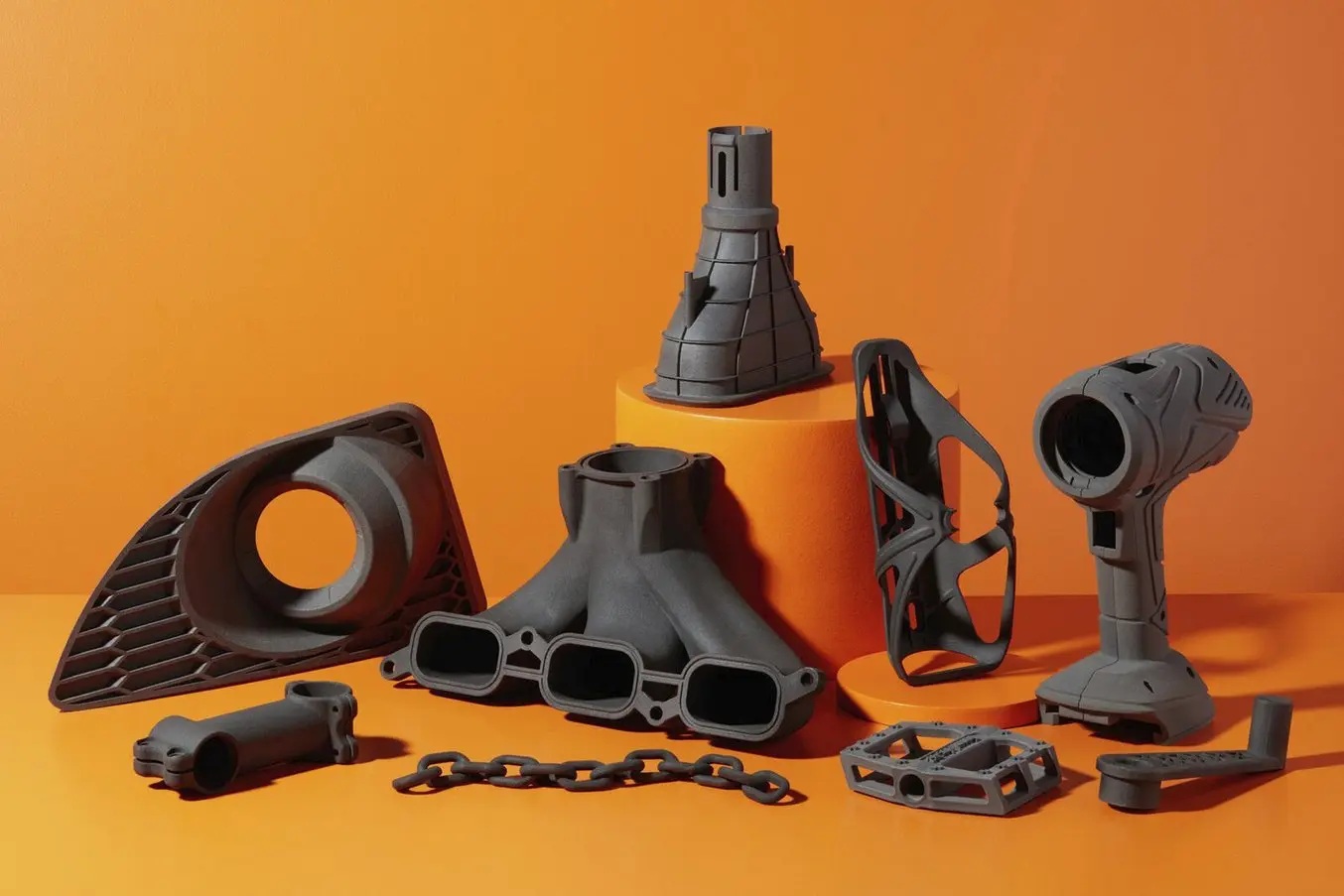
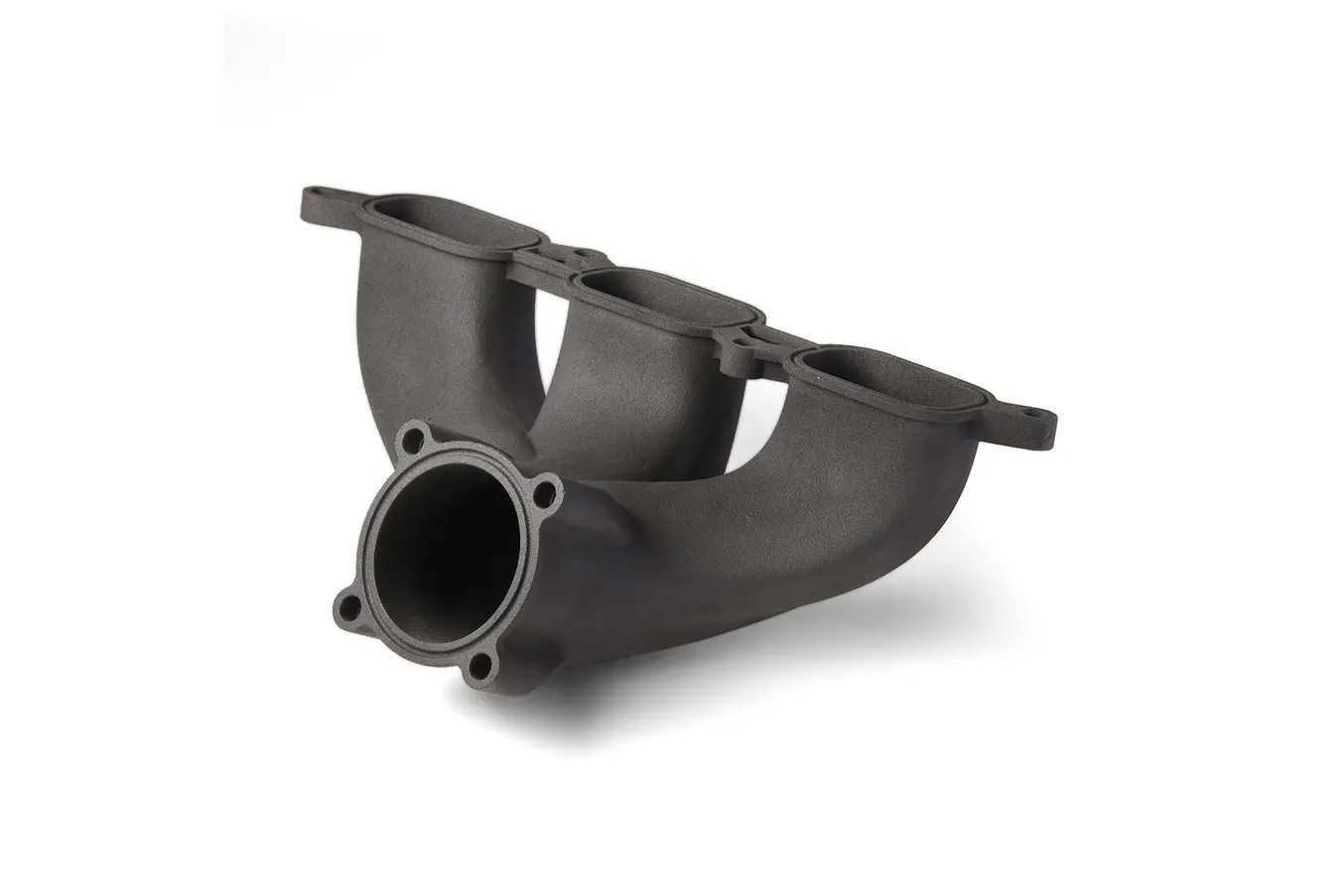
Formlabs Nylon 11 CF Powder is a carbon fiber-reinforced SLS material engineered exclusively for the Fuse 1+ 30W, delivering a tensile modulus of 5.3 GPa in the X axis and a heat deflection temperature of 178 °C at 1.8 MPa. Built on a PA11 base, it merges the ductility of nylon with the structural rigidity of carbon fibers — producing lightweight, dimensionally stable end-use parts that withstand repeated impact. Available in a 6 kg cartridge with a recommended 30% refresh rate.
| Tensile Modulus (X axis) | 5.3 GPa |
|---|---|
| Heat Deflection Temp. @ 1.8 MPa | 178 °C |
| Flexural Modulus | 4.2 GPa |
| Recommended Refresh Rate | 30% |
What Carbon Fiber Does to PA11 — And Why It Matters
Nylon 11 on its own is a flexible, impact-absorbing material with high elongation. Carbon fiber changes the equation fundamentally: it anchors the polymer chains, raising stiffness by more than three times compared to base PA11. The result is Nylon 11 CF Powder — a material that achieves 5.3 GPa tensile modulus in the X axis and 4.2 GPa flexural modulus, numbers that put it firmly in composite-substitute territory.
The anisotropic nature of the material is worth understanding before designing for it. Carbon fiber particles align preferentially in the X and Y axes during sintering. Tensile modulus in X is 5.3 GPa, dropping to 2.8 GPa in Y and 1.6 GPa in Z. Plan part orientation accordingly — load-bearing features should align with the X axis for peak structural performance.
Performance Applications: Where Nylon 11 CF Earns Its Place
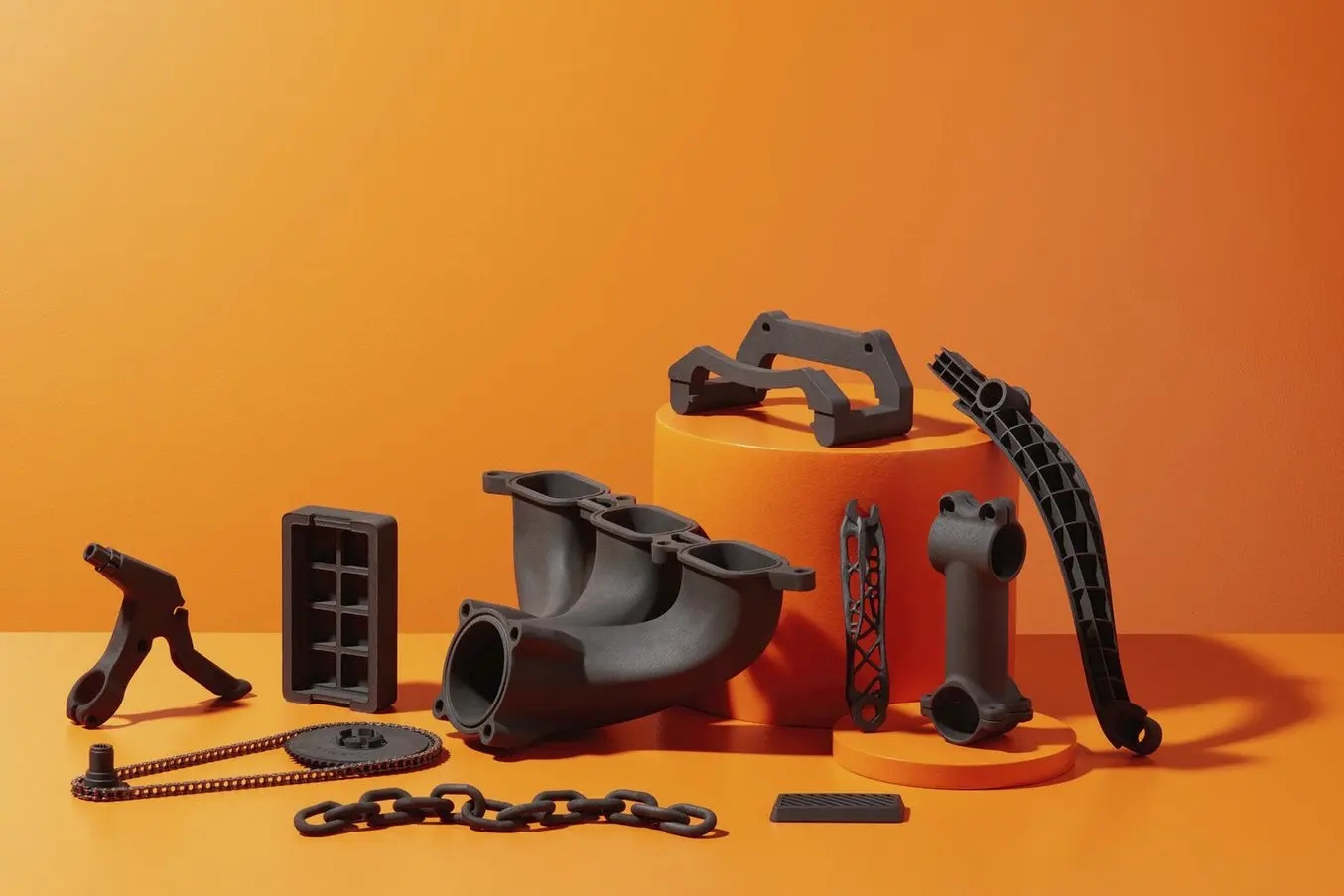
The combination of high stiffness, low density, and a heat deflection temperature of 178 °C at 1.8 MPa makes this powder the right choice when standard nylons cannot hold geometry under thermal or mechanical load:
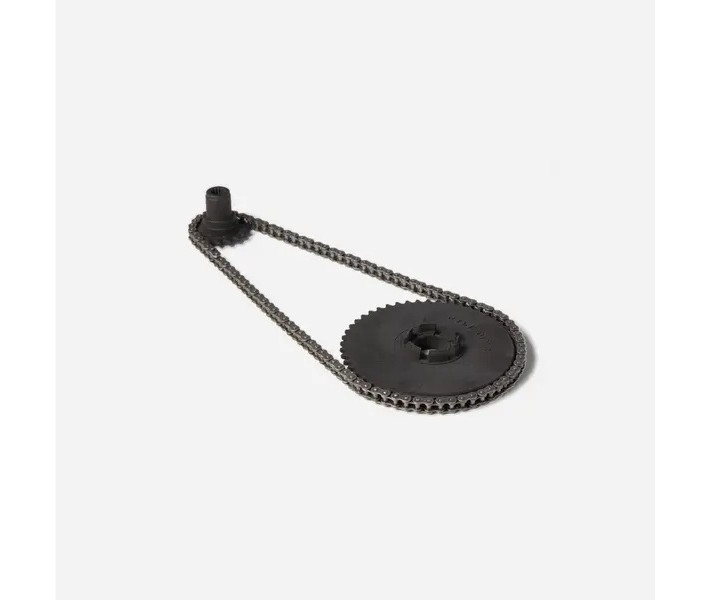
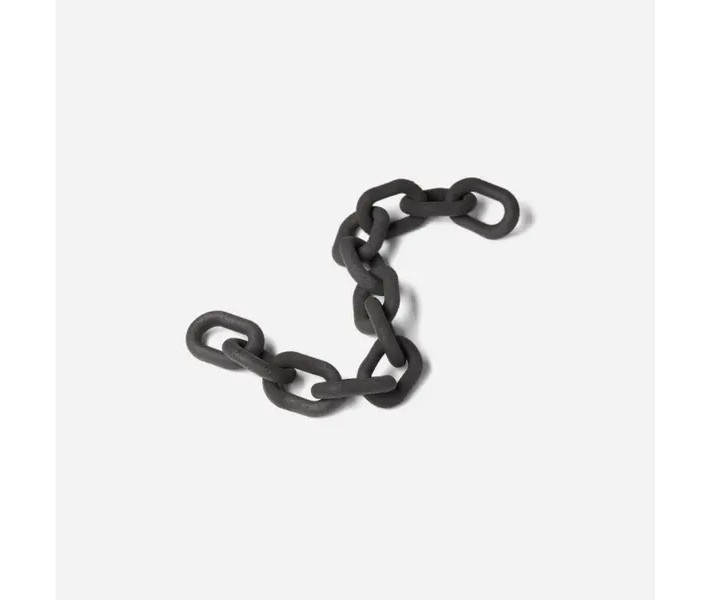
- Replacement and spare alternatives to machined metal parts
- High-impact structural equipment and protective components
- Tooling, jigs, and fixtures requiring dimensional repeatability under load
- Functional composite prototypes for validation workflows
- Strong, lightweight structures in automotive and aerospace applications
Fuse 1+ 30W Exclusive: Why Compatibility Is Non-Negotiable
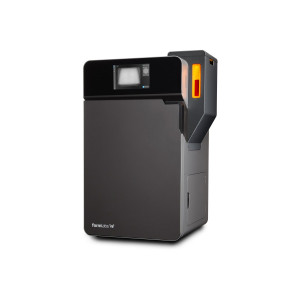
Nylon 11 CF Powder requires the active powder handling system found only in the Fuse 1+ 30W. Using this material in a Fuse 1 printer can permanently damage the machine. No exceptions. The Fuse 1+ 30W's nitrogen purge capability is equally important: Formlabs recommends printing in an inert gas environment — using a nitrogen generator or bottled nitrogen — to achieve consistent mechanical results. This is not optional for optimal part quality.
Biocompatibility and Chemical Resistance
Parts printed in Nylon 11 CF Powder have been evaluated per ISO 10993-1:2020 and confirmed biologically safe for long-term surface contact (intact skin, >30 days). The material passes cytotoxicity (ISO 10993-5:2009), irritation (ISO 10993-23:2021), and sensitization (ISO 10993-10:2021) requirements — a relevant certification for medical device tooling and regulated production environments. Chemical resistance is solid across 17 common solvents: weight gain remains at or below 1.3% in all tested cases, and isooctane (gasoline) registers 0.0%.
Powder Handling: The 300 µm Sieve Requirement
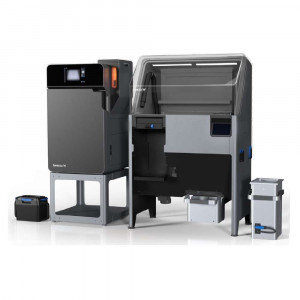
Before recovering printed parts from the powder cake, replace the Fuse Sift's standard 150 µm sifter mesh with the 300 µm sifter mesh supplied separately by Formlabs. Nylon 11 CF powder clumps more aggressively than standard nylon in its unsintered state, and the finer mesh will block during part recovery. For best results, fill a powder cartridge simultaneously while sifting — this keeps the used powder hopper in motion and prevents bridging.
When preparing to fill a powder cartridge, pour only the amount of fresh powder needed for the selected refresh rate into the fresh powder hopper. Large volumes of stagnant powder settle and flow poorly. If the Fuse Sift fails to dose automatically, tap Manual Dosing on the touchscreen and use a wooden rod to continuously agitate both hoppers.

The third step of the manual dosing sequence handles fresh powder. Remove the entire rectangular hopper cover for better access when stirring, then tap Dose Fresh and agitate continuously until dosing completes.

Between-Print Maintenance: Mandatory Cleaning Steps
Carbon fiber powder is conductive and more abrasive than standard nylon — accumulated material that fuses between jobs creates print failures and risks short-circuits in the printer's electronics. These cleaning steps are mandatory, not optional.
Powder collects at the top of the print enclosure, particularly on the runways between the powder troughs and the build chamber. This excess can fuse and be dragged into subsequent builds. Vacuum this area thoroughly after every print job.

Nylon 11 CF powder accumulates heavily in the troughs. The image below shows a typical buildup pattern in the trough channels after a print job. Use a vacuum with a static-dissipative compliant attachment — standard vacuums without static control are not suitable for carbon fiber powder.

Vacuum the left trough completely, using the flexible hose attachment to reach all inner walls and corners. Use the flipper motor moves via the Maintenance touchscreen menu to dislodge powder from hard-to-reach positions before vacuuming.

Repeat the same procedure on the right trough. The flexible vacuum hose must reach all corners and the area along the recoater's path. Pay particular attention to the inner edge of each trough — this is where Nylon 11 CF powder most frequently compacts and causes recoater drag.

The inner edge of the trough is the highest-risk compaction zone. The image below highlights this critical area with a red arrow — ensure the vacuum hose passes directly along this edge before closing the enclosure.

Finally, move the recoater to an accessible position and inspect it for semi-sintered deposits. If coated, clean with a lint-free microfiber cloth wetted with ethanol before starting the next job.

Tech Tip: Carbon fiber particles are electrically conductive. Never manually clean Nylon 11 CF parts in a Fuse Blast — always use the automatic cleaning cycle. Manual blasting can cause dangerous static buildup that damages both the equipment and the parts. Additionally, keep PPE — gloves and eye protection — on during all powder handling, as carbon fiber particles are an irritant for skin and mucosal membranes.
Technical Specifications of Formlabs Nylon 11 CF Powder
Tensile Properties
| Ultimate Tensile Strength (X) | 69 MPa (10 ksi) — ASTM D638-14 Type 1 |
|---|---|
| Ultimate Tensile Strength (Y) | 52 MPa (7.6 ksi) — ASTM D638-14 Type 1 |
| Ultimate Tensile Strength (Z) | 38 MPa (5.5 ksi) — ASTM D638-14 Type 1 |
| Tensile Modulus (X) | 5.3 GPa (770 ksi) — ASTM D638-14 Type 1 |
| Tensile Modulus (Y) | 2.8 GPa (410 ksi) — ASTM D638-14 Type 1 |
| Tensile Modulus (Z) | 1.6 GPa (240 ksi) — ASTM D638-14 Type 1 |
| Elongation at Break (X) | 9% — ASTM D638-14 Type 1 |
| Elongation at Break (Y) | 15% — ASTM D638-14 Type 1 |
| Elongation at Break (Z) | 5% — ASTM D638-14 Type 1 |
Flexural Properties
| Flexural Strength | 110 MPa (16 ksi) — ASTM D790-15 |
|---|---|
| Flexural Modulus | 4.2 GPa (610 ksi) — ASTM D790-15 |
Impact Properties
| Notched Izod Impact Strength | 74 J/m (1.4 ft-lb/in) — ASTM D256-10 |
|---|
Thermal Properties
| Heat Deflection Temp. @ 1.8 MPa | 178 °C (352 °F) — ASTM D648-16 |
|---|---|
| Heat Deflection Temp. @ 0.45 MPa | 188 °C (370 °F) — ASTM D648-16 |
| Vicat Softening Temperature | 188 °C (370 °F) — ASTM D1525 |
Other Properties
| Recommended Refresh Rate | 30% |
|---|---|
| Required Sifter Mesh | 300 µm (Fuse Sift) |
| Compatible Printers | Fuse 1+ 30W only |
| Print Environment | Inert atmosphere (nitrogen recommended) |
| SKU / Part Number | FLP11C01 |
| Net Weight | 6 kg |
Biocompatibility (ISO 10993-1:2020)
| ISO 10993-5:2009 | Not cytotoxic |
|---|---|
| ISO 10993-23:2021 (Irritation) | Not an irritant |
| ISO 10993-10:2021 (Sensitization) | Not a sensitizer |
Solvent Compatibility (Weight Gain % over 24 h)
| Acetone | 0.2% |
|---|---|
| Bleach ~5% NaOCl | 0.2% |
| Butyl Acetate | 0.2% |
| Diesel Fuel | 0.6% |
| Diethyl Glycol Monomethyl Ether | 0.5% |
| Hydraulic Oil | 1.0% |
| Hydrogen Peroxide (3%) | 0.2% |
| Isooctane (gasoline) | 0.0% |
| Isopropyl Alcohol | 0.2% |
| Mineral Oil (Light) | 1.3% |
| Salt Water (3.5% NaCl) | 0.2% |
| Skydrol 5 | 0.8% |
| Sodium Hydroxide (0.025% pH 10) | 0.2% |
| Strong Acid (HCl conc.) | 0.8% |
| Tripropylene Glycol Monomethyl Ether (TPM) | 0.8% |
| Water | 0.1% |
| Xylene | 0.2% |
How to Handle and Recover Nylon 11 CF Printed Parts
A step-by-step guide to recovering, post-processing, and cleaning up after printing with Nylon 11 CF Powder on the Fuse 1+ 30W, covering sieve swap, manual dosing, and mandatory between-print cleaning.
Step 1: Install the 300 µm Sifter Mesh
Before recovering parts from the powder cake, replace the Fuse Sift's standard 150 µm sifter mesh with the 300 µm mesh. Nylon 11 CF powder clumps in its unsintered state and will block the finer mesh during recovery, interrupting the workflow.
Step 2: Recover Parts While Filling a Cartridge
For best results, fill a powder cartridge simultaneously while sifting through the powder cake. This keeps powder moving through the used powder hopper and prevents clumping. Pour only the amount of fresh powder needed for your selected refresh rate into the fresh hopper.
Step 3: Use Manual Dosing if Automatic Dosing Fails
If the Fuse Sift cannot dose powder automatically, tap Manual Dosing on the touchscreen. Use a clean wooden rod to continuously agitate the powder in both the used and fresh powder hoppers while tapping Dose Used, then Dose Fresh. Remove the rectangular fresh hopper cover completely for better access when stirring.
Step 4: Vacuum the Print Enclosure Top
After each print, vacuum the runways at the top of the print enclosure — the areas between the powder troughs and the build chamber. Carbon fiber powder that accumulates here can fuse and contaminate subsequent builds.
Step 5: Vacuum Both Powder Troughs
Use a static-dissipative vacuum with a flexible hose attachment to clean both the left and right powder troughs completely. Use the Flipper motor moves in the Maintenance menu to dislodge powder from hard-to-reach areas. Pay special attention to the inner edge of each trough, where Nylon 11 CF powder most frequently compacts.
Step 6: Inspect and Clean the Recoater
Move the recoater to an accessible position via the Motor Moves screen. If semi-sintered powder has accumulated on the blade, clean it with a lint-free microfiber cloth wetted with ethanol before starting the next print job.
Step 7: Blast Parts Using Automatic Cycle Only
Transfer finished parts to the Fuse Blast. Always use the automatic cleaning cycle — do not manually clean Nylon 11 CF parts in the Fuse Blast. Manual blasting can cause dangerous static buildup from the conductive carbon fiber particles.
Frequently Asked Questions — Formlabs Nylon 11 CF Powder
Which Formlabs printer is compatible with Nylon 11 CF Powder?
Nylon 11 CF Powder is exclusively compatible with the Fuse 1+ 30W. It cannot be used in the original Fuse 1 — the Fuse 1 lacks the active powder handling system required for this material, and attempting to use it can permanently damage the machine.
Does Nylon 11 CF Powder require a nitrogen atmosphere?
Yes. Formlabs recommends printing Nylon 11 CF in an inert gas environment using a nitrogen generator or bottled nitrogen. The nitrogen purge is required to achieve consistent mechanical results. A 30% refresh rate is recommended when printing in an inert gas environment.
What sifter mesh size does Nylon 11 CF Powder require?
Nylon 11 CF Powder requires the 300 µm sifter mesh for the Fuse Sift. The standard 150 µm mesh must be replaced before recovering printed parts from the powder cake. Nylon 11 CF powder clumps in its unsintered state and blocks the finer mesh.
How does Nylon 11 CF compare to Nylon 12 GF in terms of mechanical properties?
Nylon 11 CF has a higher tensile modulus in the X axis (5.3 GPa vs 2.8 GPa for Nylon 12 GF) and significantly higher impact strength (74 J/m vs 36 J/m). However, Nylon 11 CF is anisotropic — its Z-axis tensile modulus drops to 1.6 GPa. Nylon 12 GF offers more isotropic stiffness (2.8 GPa in all orientations) and is compatible with both Fuse 1 and Fuse 1+ 30W, while Nylon 11 CF requires the Fuse 1+ 30W and nitrogen atmosphere.
Is Nylon 11 CF Powder biocompatible?
Yes. Parts printed in Nylon 11 CF Powder have been evaluated per ISO 10993-1:2020 and confirmed biologically safe for long-term surface contact with intact skin (more than 30 days). The material passes cytotoxicity (ISO 10993-5:2009), irritation (ISO 10993-23:2021), and sensitization (ISO 10993-10:2021) requirements. Note that the unsintered powder itself is a skin and mucosal irritant — always wear PPE during handling.
Why does Nylon 11 CF Powder have different tensile modulus values in X, Y, and Z?
Carbon fiber particles pref