

- Stock: In Stock
- Product code: 00-00011373
- Weight Brutto: 10.50kg
- SKU: PD-FS-P12G-10-01

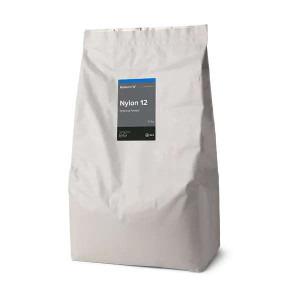
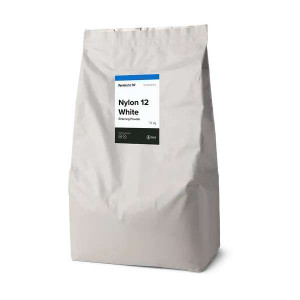
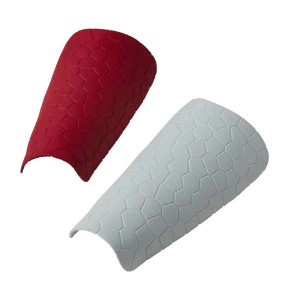
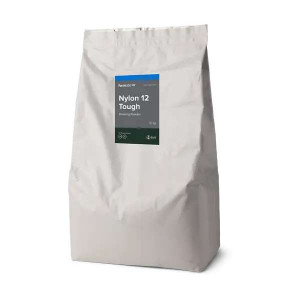
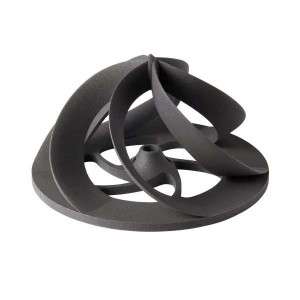
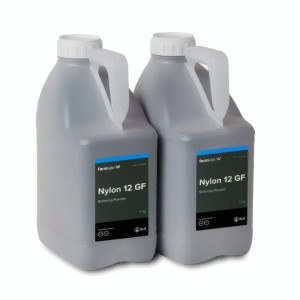
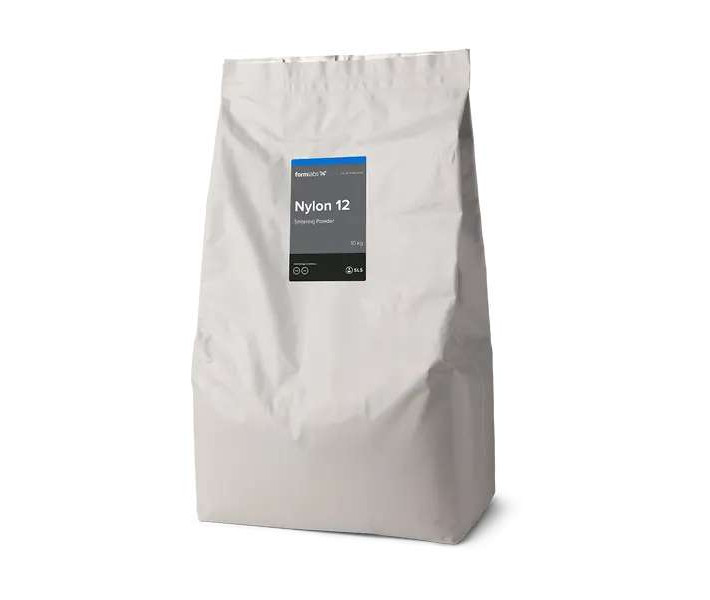
Formlabs Nylon 12 Powder is a high-performance SLS thermoplastic powder engineered for the Fuse Series printers, delivering an outstanding balance of tensile strength (50 MPa), ductility, and chemical resistance in a single versatile material. With a 70% recycled-powder refresh rate and certified biocompatibility, it covers everything from rapid functional prototyping to small-batch end-use production — all in a 10 kg supply format built for sustained workflow.
| Ultimate Tensile Strength | 50 MPa |
|---|---|
| Tensile Modulus | 1850 MPa |
| Max Powder Refresh Rate | 70% |
| Water Absorption (printed part) | 0.66% |
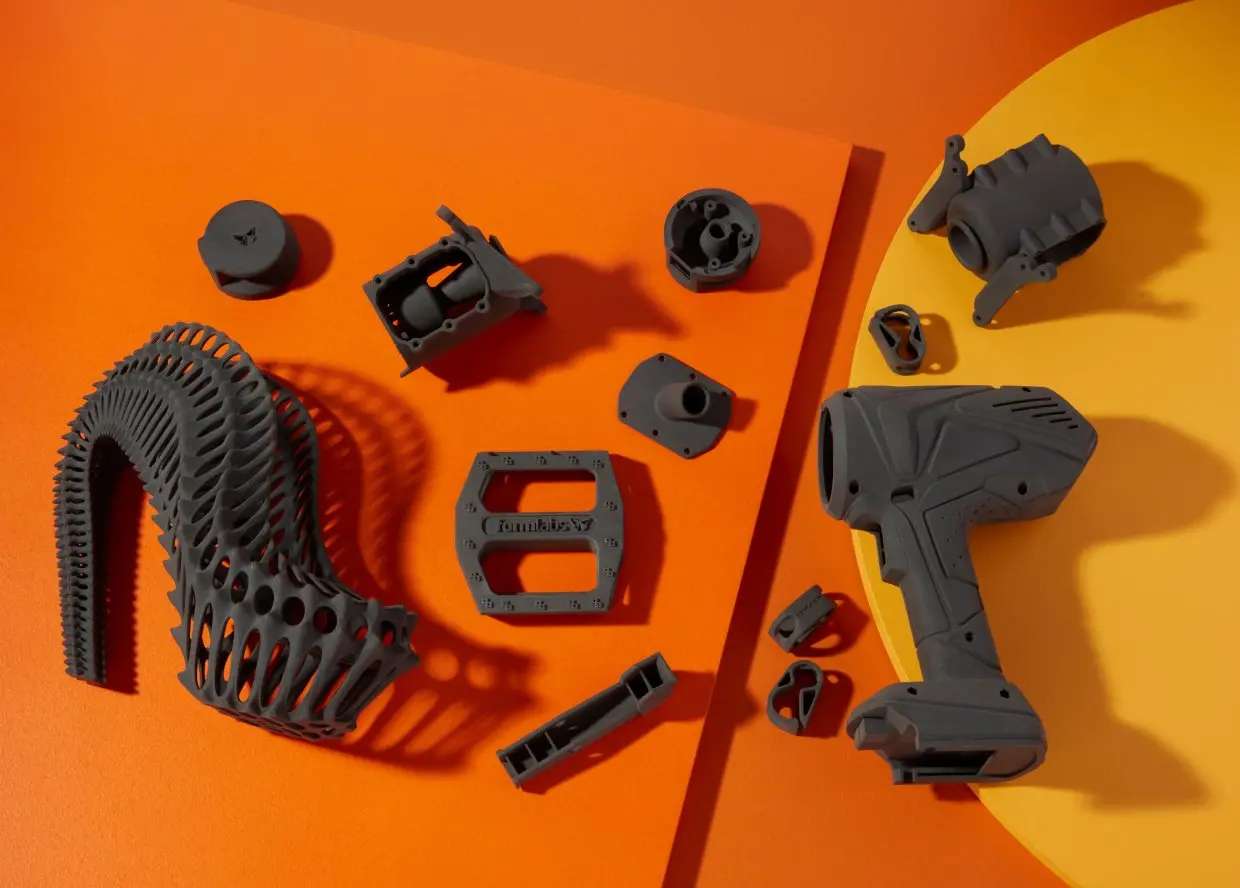
Key Features of Formlabs Nylon 12 Powder
Mechanical Strength That Holds Under Load
With an ultimate tensile strength of 50 MPa and a tensile modulus of 1850 MPa, Nylon 12 Powder produces parts that handle real mechanical stress — not just display pieces. The 11% elongation at break (X/Y) means components flex before they fracture, a critical property for snap-fit assemblies, brackets, and load-bearing housings. Flexural strength reaches 66 MPa, supporting stiff structures that resist bending under sustained force.
Dimensional Accuracy and Low Creep
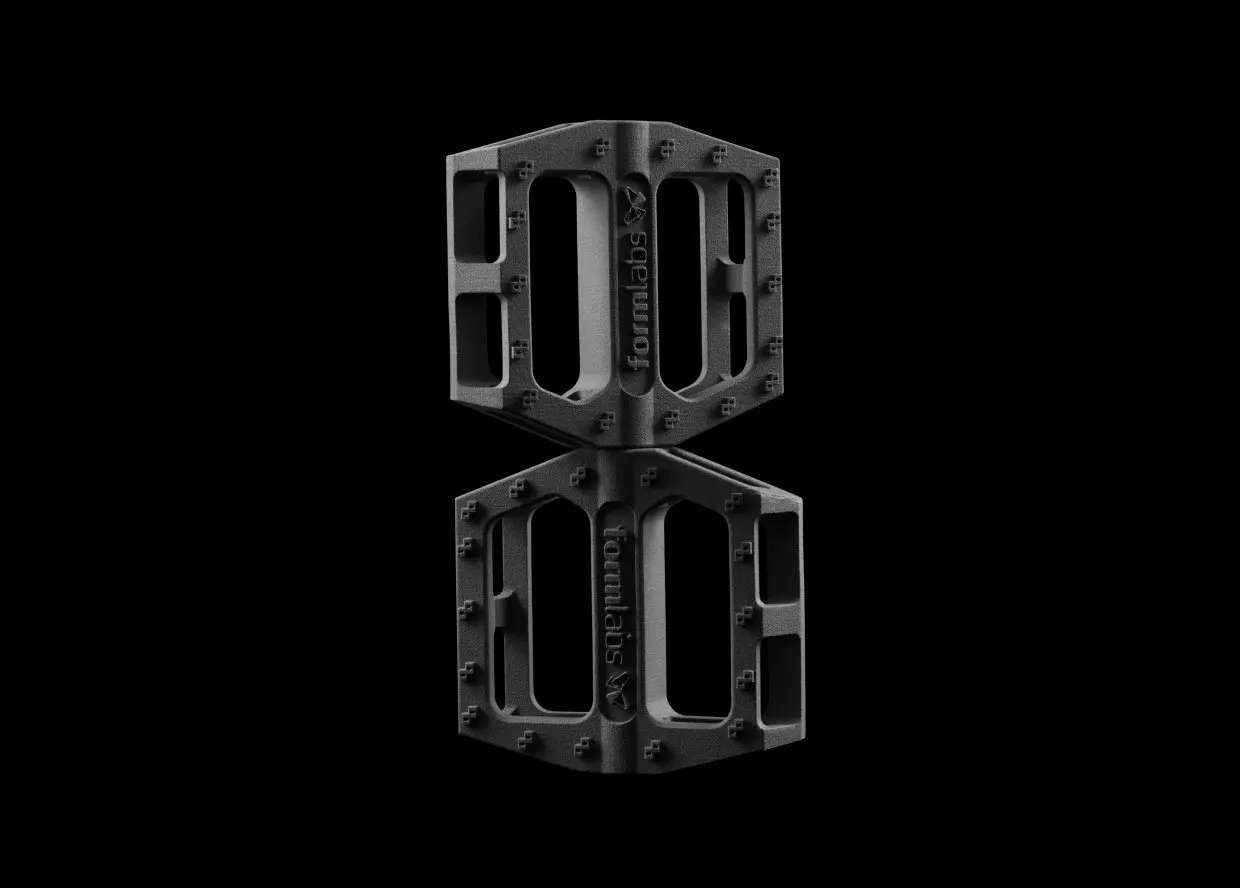
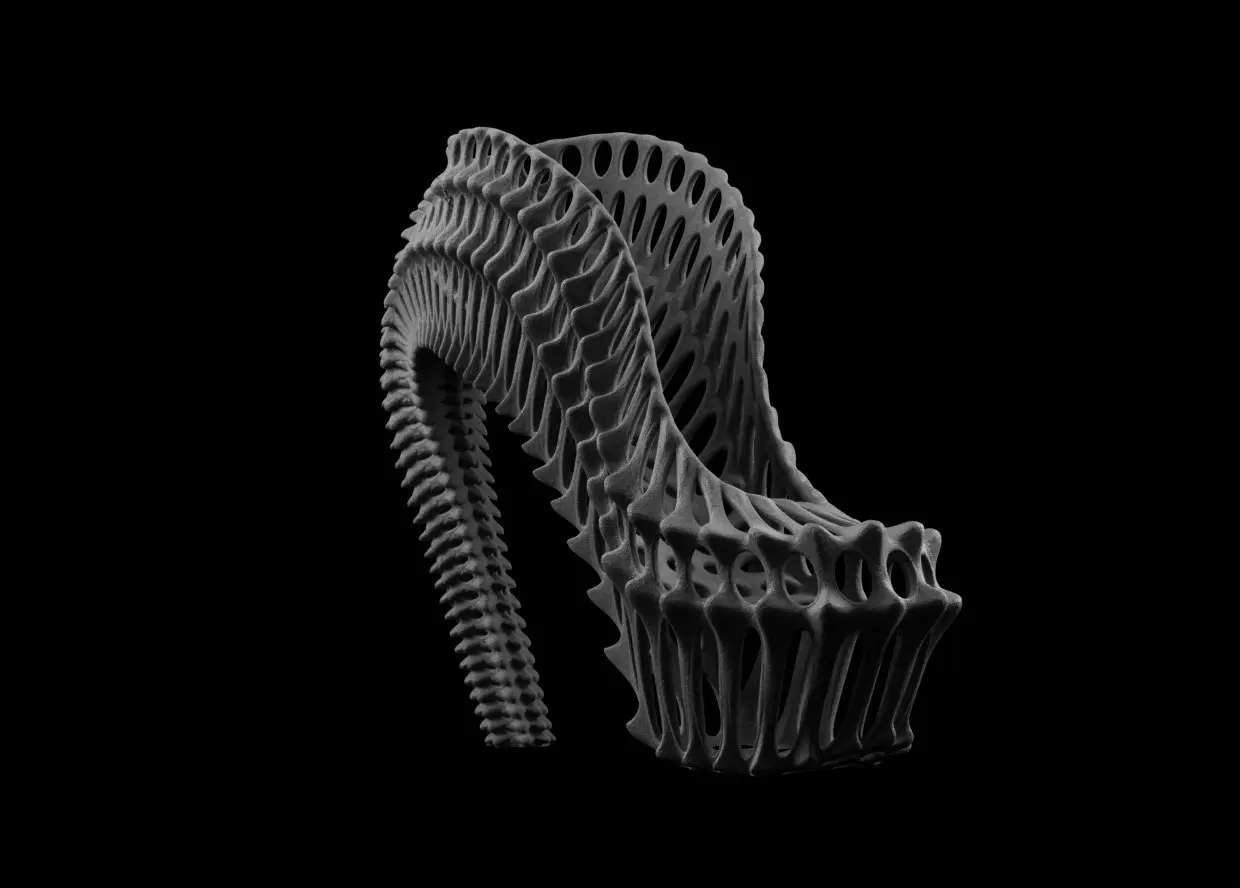
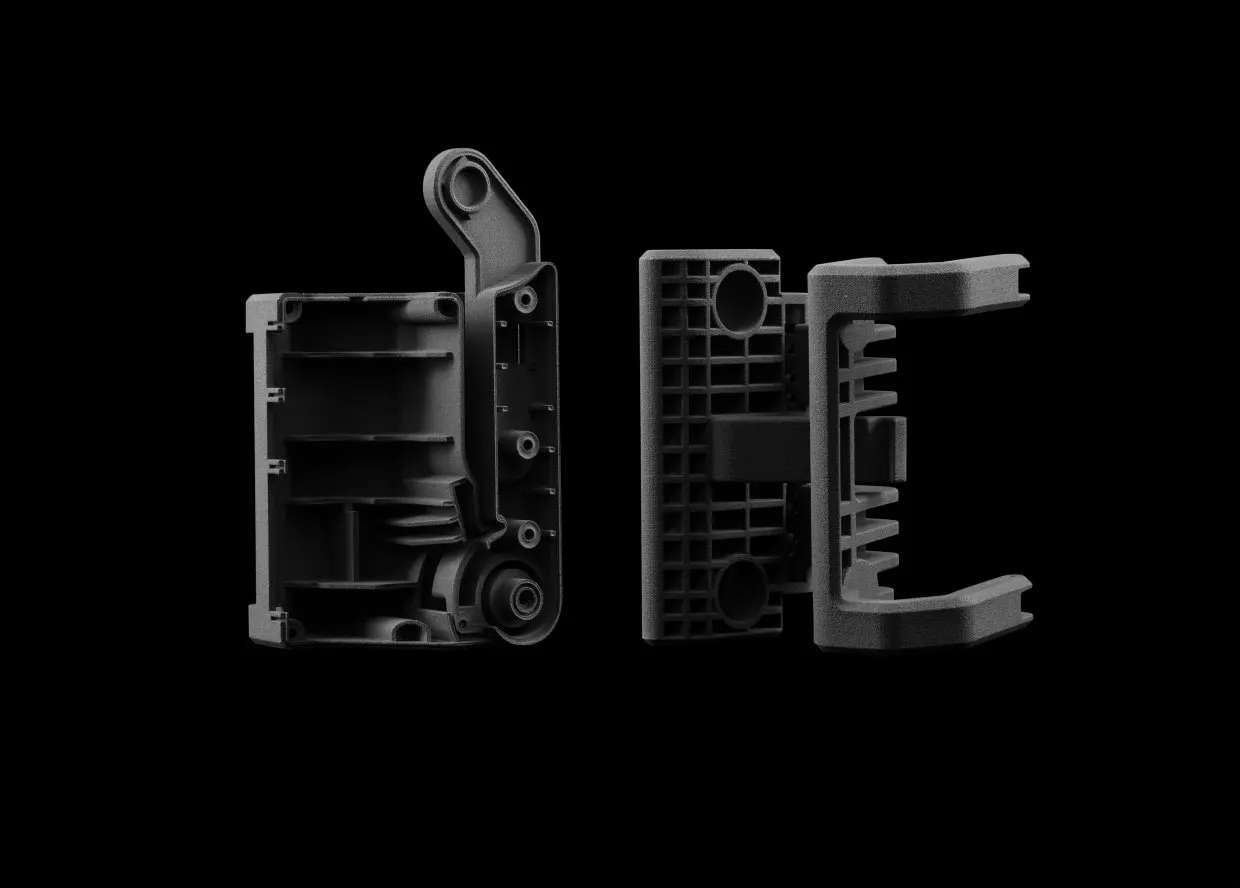
SLS printing with Nylon 12 Powder produces highly detailed geometries with tight tolerances and low creep over time. Complex internal channels, interlocking mechanisms, and thin-wall enclosures all resolve cleanly — making it the standard choice when dimensional repeatability across a production batch matters. Moisture content in the virgin powder is just 0.25%, minimising print defects caused by powder degradation.
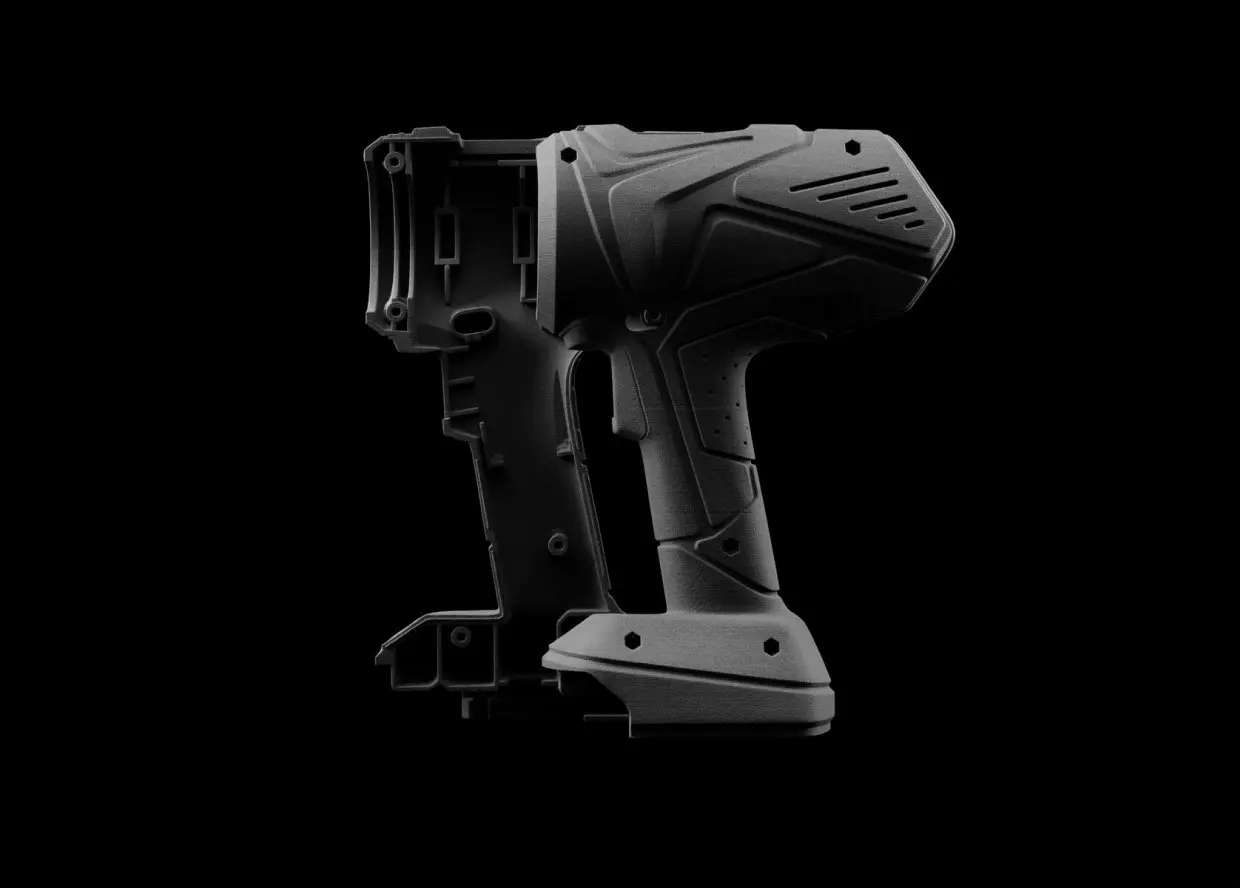
Economical 70% Refresh Rate
Unsintered powder from each print job can be reclaimed and reused at up to 70% of the total mix. This refresh rate significantly reduces material cost per part — a decisive operational advantage in small-batch manufacturing and continuous production environments. Less waste, lower cost per kilogram consumed.
Environmental Stability and Chemical Resistance
Printed Nylon 12 parts absorb only 0.66% water (ASTM D570), making them exceptionally stable in humid conditions where other polymers degrade. The heat deflection temperature reaches 171 °C at 0.45 MPa load — adequate for under-hood automotive components and industrial tooling exposed to elevated temperatures. Solvent compatibility testing confirms resistance to fuels, hydraulic oils, salt water, bleach, and common industrial solvents.
Biocompatibility for Medical and Wearable Applications
Nylon 12 Powder has been evaluated per ISO 10993-1:2018 and confirmed not cytotoxic (ISO 10993-5:2009), not an irritant, and not a sensitizer (ISO 10993-10). This opens the material to medical device prototyping, sterilizable surgical guides, and skin-contact wearables — provided the manufacturer validates suitability for the specific intended use.
Applications
- High-performance functional prototyping
- Small-batch end-use manufacturing
- Permanent jigs, fixtures, and production tooling
- Biocompatible and sterilizable parts (subject to manufacturer validation)
- Rugged enclosures, housings, and snap-fit assemblies
- Footwear midsoles, consumer product components
Technical Specifications of Formlabs Nylon 12 Powder
Mechanical Properties
| Ultimate Tensile Strength | 50 MPa (7252 psi) — ASTM D638 Type 1 |
|---|---|
| Tensile Modulus | 1850 MPa (268 ksi) — ASTM D638 Type 1 |
| Elongation at Break (X/Y) | 11% — ASTM D638 Type 1 |
| Elongation at Break (Z) | 6% — ASTM D638 Type 1 |
Flexural Properties
| Flexural Strength | 66 MPa (9572 psi) — ASTM D 790-15 |
|---|---|
| Flexural Modulus | 1600 MPa (232 ksi) — ASTM D 790-15 |
Impact Properties
| Notched Izod Impact | 32 J/m (0.60 ft-lb/in) — ASTM D256-10 |
|---|
Thermal Properties
| Heat Deflection Temp. @ 1.8 MPa | 87 °C (189 °F) — ASTM D648 |
|---|---|
| Heat Deflection Temp. @ 0.45 MPa | 171 °C (340 °F) — ASTM D648 |
| Vicat Softening Temperature | 175 °C (347 °F) — ASTM D1525 |
Other Properties
| Moisture Content (powder) | 0.25% — ISO 15512 Method D |
|---|---|
| Water Absorption (printed part) | 0.66% — ASTM D570 |
Flammability
| Flammability Rating | HB — UL 94 Section 7 (sample thickness 3.00 mm) |
|---|
Biocompatibility
| Cytotoxicity (ISO 10993-5:2009) | Not cytotoxic |
|---|---|
| Irritation (ISO 10993-10:2010) | Not an irritant |
| Sensitization (ISO 10993-10:2010) | Not a sensitizer |
Solvent Compatibility (24 hr weight gain, printed 1×1×1 cm cube)
| Acetic Acid 5% | 0.1% |
|---|---|
| Acetone | 0.1% |
| Bleach ~5% NaOCl | 0.2% |
| Butyl Acetate | 0.2% |
| Diesel Fuel | 0.4% |
| Diethyl Glycol Monomethyl Ether | 0.5% |
| Hydraulic Oil | 0.6% |
| Hydrogen Peroxide 3% | 0.2% |
| Isooctane (gasoline) | <0.1% |
| Isopropyl Alcohol | 0.2% |
| Mineral Oil (Heavy) | 0.7% |
| Mineral Oil (Light) | 0.5% |
| Salt Water (3.5% NaCl) | 0.2% |
| Skydrol 5 | 0.6% |
| Sodium Hydroxide 0.025% (pH 10) | 0.2% |
| Strong Acid (HCl conc.) | 0.8% |
| Tripropylene Glycol Monomethyl Ether | 0.3% |
| Water | 0.1% |
| Xylene | 0.1% |
How to Prepare and Use Formlabs Nylon 12 Powder
Follow these steps to ensure optimal print quality and material efficiency when working with Nylon 12 Powder on a Fuse Series printer.
Step 1: Condition the Powder
Store Nylon 12 Powder in a sealed container in a dry environment. Before use, ensure powder moisture content is within spec (≤0.25%). Conditioned powder flows freely and produces consistent results.
Step 2: Mix Fresh and Recycled Powder
Combine fresh virgin powder with reclaimed unsintered powder at a maximum recycled ratio of 70%. Exceeding this ratio risks part quality degradation. Mix thoroughly before loading the Fuse printer hopper.
Step 3: Load and Configure the Fuse Printer
Load the mixed powder into the Fuse Series printer. Use PreForm software to orient parts for optimal X/Y mechanical properties — tensile strength is highest in the X/Y build plane. Apply recommended print profiles for Nylon 12.
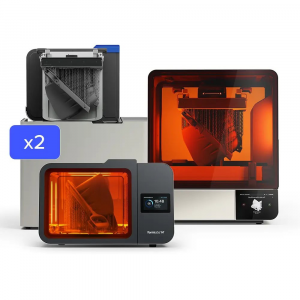
Step 4: Post-Process in the Fuse Sift
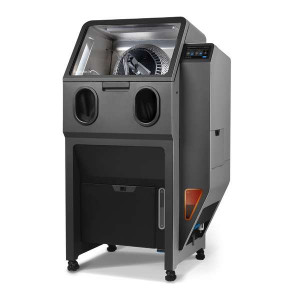
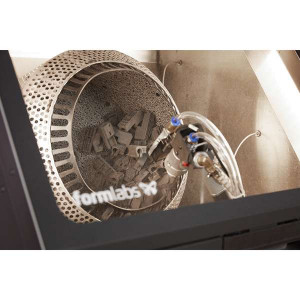
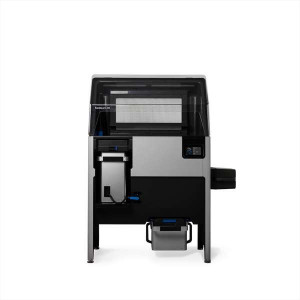
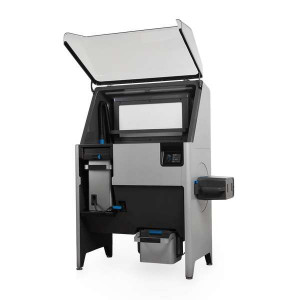
After the print cycle completes and the build chamber cools, use the Fuse Sift to separate and recover unsintered powder. Collect the reclaimed material for reuse in the next mix cycle.
Step 5: Condition and Validate Parts
For biocompatibility-critical applications, condition finished parts at 50% relative humidity and 23 °C for 7 days before testing, per Formlabs' validated protocol. Validate part suitability for the specific intended use before deployment.
What printers are compatible with Formlabs Nylon 12 Powder?
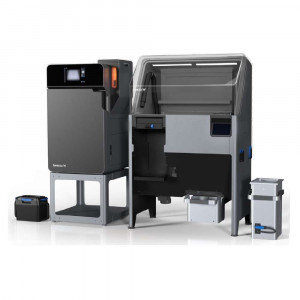
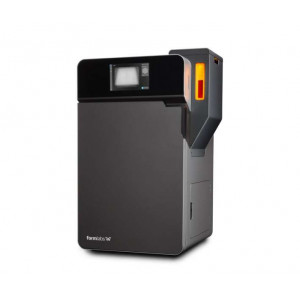
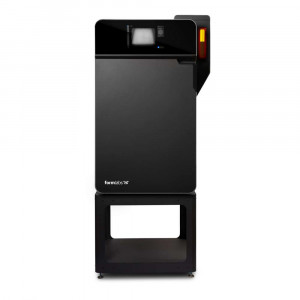
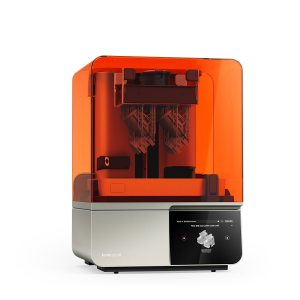
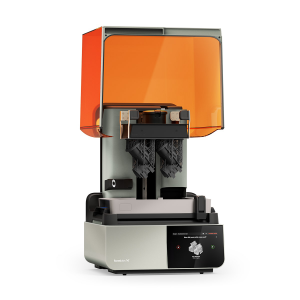
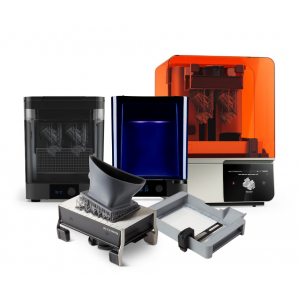
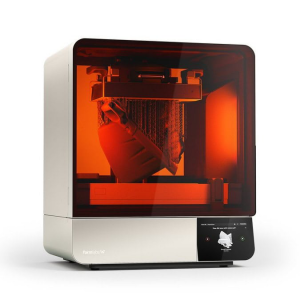
Nylon 12 Powder is specifically developed and validated for use on the Formlabs Fuse Series SLS printers, including the Fuse 1, Fuse 1+ 30W, and related Fuse platform hardware. It is not intended for use in other SLS printer brands without independent validation.
What is the maximum powder refresh rate for Nylon 12?
Nylon 12 Powder supports a maximum refresh rate of 70% recycled powder. This means up to 70% of the powder in any given print mix can be reclaimed unsintered material from previous jobs, significantly reducing material cost per part over time.
Is Formlabs Nylon 12 Powder biocompatible?
Yes. Nylon 12 Powder has been evaluated per ISO 10993-1:2018 and confirmed not cytotoxic, not an irritant, and not a sensitizer. However, the manufacturer of the end-use part is responsible for validating suitability for their specific application and intended patient contact type.
How water-resistant are parts printed with Nylon 12 Powder?
Printed Nylon 12 parts show only 0.66% water absorption per ASTM D570, making them highly moisture-resistant. This low uptake ensures dimensional stability and mechanical performance retention in humid or wet environments.
What is the heat deflection temperature of Nylon 12 Powder parts?
At a load of 0.45 MPa, parts reach a heat deflection temperature of 171 °C (ASTM D648). At the higher load of 1.8 MPa, the HDT is 87 °C. The Vicat softening temperature is 175 °C, allowing use in moderately high-temperature industrial applications.
What safety precautions apply when handling Nylon 12 Powder?
Nylon 12 Powder is classified as combustible dust and can form explosive concentrations when suspended in air. Use only approved dust-collection vacuum equipment, eliminate ignition sources, and wear appropriate respiratory protection. Consult the full Safety Data Sheet (SDS) before handling.
Why choose EXPERT3D?
EXPERT3D has been Spain's specialist 3D technology retailer since 2012, offering direct technical support, fast shipping, and official warranty coverage on all Formlabs consumables. Our team works daily with SLS workflows and can advise on powder management, refresh rate optimisation, and Fuse Series integration — before and after your purchase.